

1. Introduction
Patient Care Technicians (PCTs) are vital members of the healthcare team, serving as the backbone of patient support services. They work closely with nurses, doctors, and other medical professionals to ensure patients receive comprehensive care. Unlike doctors or nurses, PCTs focus primarily on the day-to-day needs of patients, which include monitoring their health, assisting with personal hygiene, and providing emotional support. Their role is essential in maintaining a safe, comfortable, and well-managed healthcare environment.
The responsibilities of a PCT are both clinical and non-clinical. On the clinical side, they may assist in taking vital signs, collecting lab samples, performing basic medical procedures, and documenting patient information accurately. Non-clinical duties include helping patients with mobility, feeding, bathing, and ensuring their overall comfort. This combination of responsibilities makes the role highly versatile and critical to the smooth operation of hospitals, nursing homes, and other healthcare facilities.
One of the key aspects of a PCT’s job is fostering strong patient relationships. By spending significant time with patients, they are often able to notice subtle changes in a patient’s condition, which can be crucial for timely medical interventions. Additionally, PCTs provide emotional support and reassurance, especially for patients dealing with long-term illnesses or undergoing stressful medical procedures. This human connection greatly contributes to overall patient satisfaction and recovery.
Moreover, the demand for Patient Care Technicians has grown steadily due to an aging population and increasing healthcare needs. Many healthcare institutions recognize the value of PCTs in improving patient outcomes and reducing the workload on nurses and doctors. This makes the career both stable and rewarding, offering opportunities for growth within the healthcare field.
2. Who is a Patient Care Technician?
A Patient Care Technician (PCT) is a trained healthcare professional who acts as a bridge between patients and the medical team. While doctors and nurses focus on diagnosis and treatment, PCTs concentrate on providing direct, hands-on care to patients. They ensure that patients’ physical, emotional, and sometimes social needs are met, making their role essential in promoting both health and comfort. By working closely with medical staff, PCTs help maintain continuity of care and improve overall patient outcomes.
PCTs have a unique position in the healthcare system because they interact with patients more frequently than most other healthcare professionals. This interaction allows them to observe subtle changes in a patient’s condition, report concerns promptly, and provide immediate support when needed. Their responsibilities often include taking vital signs, assisting patients with daily activities such as bathing and eating, and helping them move safely around the facility. These tasks, while sometimes considered basic, are fundamental to the patient’s well-being and recovery.
The role of a PCT is versatile, spanning various healthcare settings including hospitals, nursing homes, assisted living facilities, and rehabilitation centers. Depending on the facility, a PCT may also be trained to perform basic medical procedures such as drawing blood, performing EKGs, or assisting with respiratory therapy. This combination of clinical and supportive tasks makes the position both challenging and rewarding, requiring a blend of technical knowledge and interpersonal skills.
In addition to clinical duties, PCTs are often called upon to provide emotional and psychological support to patients and their families. They may help calm anxious patients, explain procedures in simple terms, or simply provide a comforting presence during long hospital stays. This aspect of the role is especially important in healthcare settings where patients may feel vulnerable, stressed, or isolated.
Ultimately, a Patient Care Technician is more than just a healthcare worker—they are advocates for patient comfort, safety, and dignity. Their commitment to compassionate care ensures that patients not only receive medical treatment but also feel supported and understood throughout their healthcare journey.
3. Key Responsibilities of a Patient Care Technician
Patient Care Technicians (PCTs) play a vital role in ensuring the smooth operation of healthcare facilities by performing a wide range of responsibilities. One of their primary duties is monitoring vital signs such as blood pressure, temperature, pulse, and respiration rates. Regularly recording these metrics allows doctors and nurses to detect early signs of health changes, ensuring timely interventions. Accurate monitoring is critical in managing patients with chronic illnesses or those recovering from surgery.
Another core responsibility is assisting patients with personal hygiene. This involves assisting patients with dressing, bathing, grooming, and dental care, especially those who are bedridden or have restricted movement. Maintaining hygiene not only promotes physical health but also boosts a patient’s dignity and mental well-being. PCTs approach these tasks with compassion and respect, making the patients feel cared for and supported.
Helping patients with mobility and exercises is also a significant part of a PCT’s role. This includes aiding patients in walking, transferring between beds and chairs, and assisting with rehabilitation exercises prescribed by physical therapists. These activities prevent complications like bedsores, muscle atrophy, or joint stiffness and play an essential role in a patient’s recovery process. PCTs are trained to perform these tasks safely to avoid injuries to themselves or the patient.
In addition, PCTs are responsible for collecting lab samples such as blood, urine, or swabs, which are crucial for medical diagnoses and treatment planning. Handling these tasks requires precision, attention to detail, and strict adherence to hygiene and safety protocols. Proper labeling, storage, and documentation ensure that test results are accurate and reliable for the healthcare team.
Finally, recording medical information accurately is a critical responsibility that ensures continuity of care. PCTs document patient conditions, treatments, and any changes in health status. This documentation serves as a vital reference for doctors, nurses, and other medical staff, allowing them to make informed decisions about patient care. Accuracy in record-keeping minimizes errors and improves overall healthcare outcomes.
4. Educational Requirements for Patient Care Technicians
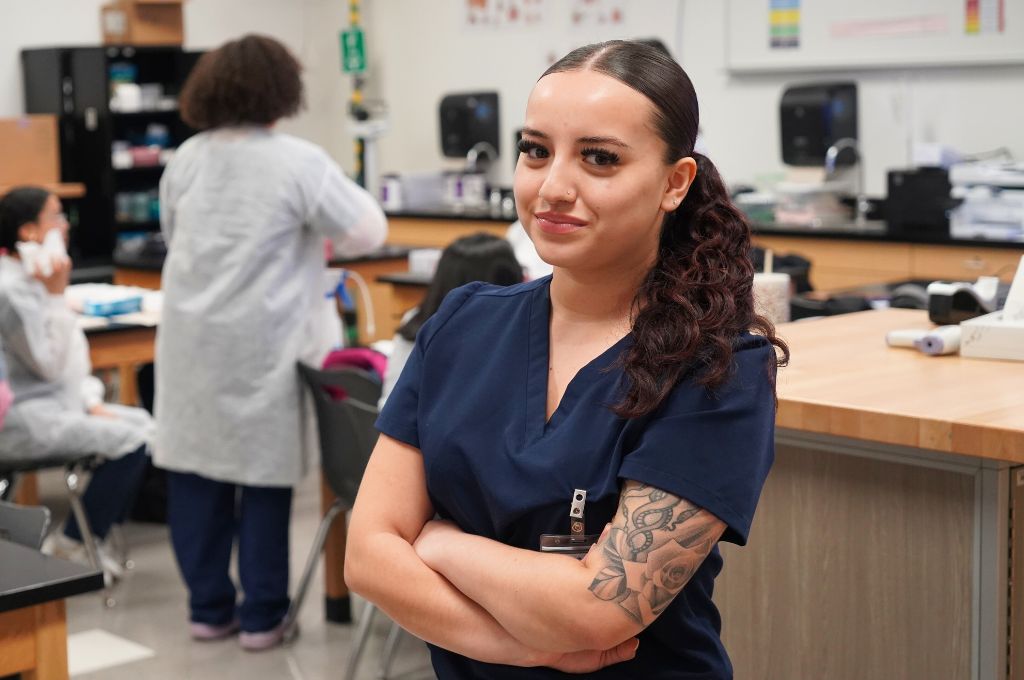
Becoming a Patient Care Technician (PCT) requires a combination of formal education and hands-on training. The foundational requirement is typically a high school diploma or GED, which ensures that candidates possess the basic literacy, numeracy, and critical thinking skills needed in healthcare. Strong academic preparation in subjects like biology, anatomy, and health sciences can give aspiring PCTs a head start and make learning clinical skills easier.
After completing high school, individuals usually enroll in a certified Patient Care Technician training program. These programs are offered by community colleges, vocational schools, and some hospitals, and they provide both classroom instruction and practical clinical experience. Courses cover topics such as patient care techniques, medical terminology, infection control, vital sign measurement, basic anatomy and physiology, and safety procedures. Training programs often range from 4 to 12 months, depending on the curriculum and whether the student is attending full-time or part-time.
Hands-on clinical training is a key component of PCT education. During clinical rotations, students gain real-world experience in hospitals, nursing homes, or rehabilitation centers under the supervision of experienced healthcare professionals. This practical exposure allows students to develop confidence in patient interactions, learn proper techniques for medical procedures, and understand the workflow of a healthcare environment. It also helps students apply classroom knowledge to real patient care scenarios.
Many training programs also include preparation for certification exams, which are often required to work as a PCT. These exams test both theoretical knowledge and practical skills, ensuring that certified PCTs meet standardized healthcare competencies. Examples of widely recognized certifications include the Certified Patient Care Technician/Assistant (CPCT/A) offered by the National Healthcareer Association (NHA). Certification not only validates skills but also improves job prospects and credibility in the healthcare field.
5. Essential Skills for Patient Care Technicians
Patient Care Technicians (PCTs) require a unique combination of technical expertise and interpersonal abilities to excel in their roles. One of the most important skills is medical knowledge. PCTs must understand human anatomy, physiology, and basic medical procedures to assist nurses and doctors effectively. This includes taking vital signs, performing basic lab tests, understanding infection control, and following proper safety protocols. A strong foundation in medical knowledge ensures that patient care is accurate, safe, and efficient.
Equally important is attention to detail. PCTs must carefully observe and record changes in a patient’s condition, administer treatments accurately, and document medical information precisely. Even minor errors in recording vital signs, administering medications, or collecting lab samples can have significant consequences. Therefore, precision and thoroughness are essential qualities for anyone pursuing this career.
Beyond technical skills, compassion and empathy are critical for PCTs. They spend a great deal of time interacting with patients, many of whom may be ill, injured, or emotionally vulnerable. Providing emotional support, listening actively, and showing genuine concern for a patient’s well-being can greatly enhance the healing process. A caring attitude also helps build trust between the patient and the healthcare team, which is crucial in any medical setting.
Communication skills are another vital requirement. PCTs must communicate clearly with patients, explaining procedures or instructions in a way that is easy to understand. They also need to convey information accurately to nurses, doctors, and other staff members to ensure seamless care coordination. Strong verbal and written communication skills reduce misunderstandings and improve overall patient outcomes.
Lastly, time management and multitasking are essential in a fast-paced healthcare environment. PCTs often have to attend to multiple patients with varying needs, prioritize urgent tasks, and complete routine duties efficiently. The ability to manage time effectively allows PCTs to provide consistent care without compromising quality, even during busy shifts.
6. Patient Care Technician Certification
Certification is a critical step for anyone aspiring to become a Patient Care Technician (PCT). While educational programs provide the necessary training and hands-on experience, certification validates a PCT’s skills and knowledge, ensuring they meet standardized healthcare competencies. Many employers prefer or even require certified PCTs because certification demonstrates a commitment to professionalism, patient safety, and quality care.
One of the most widely recognized certifications is the Certified Patient Care Technician/Assistant (CPCT/A) offered by the National Healthcareer Association (NHA). This certification covers essential topics such as patient care procedures, basic medical terminology, infection control, safety protocols, and clinical skills. Candidates are evaluated through both written exams and practical assessments to ensure they can perform tasks accurately and safely. Obtaining this certification boosts employability and often leads to higher salaries or better job opportunities.
Other certifications may focus on specific skills relevant to the PCT role. For example, some programs offer credentials in ECG/EKG monitoring, phlebotomy, or CPR/First Aid. These additional certifications allow PCTs to expand their responsibilities and provide specialized care, making them more versatile within a healthcare team. Combining general PCT certification with specialized credentials can significantly enhance career growth and professional credibility.
The certification process typically requires completion of an accredited training program and a certain number of clinical hours. After meeting these prerequisites, candidates can apply for the certification exam. Maintaining certification often involves continuing education or periodic re-examination to ensure that PCTs stay updated with the latest healthcare practices and regulations. This commitment to lifelong learning is a hallmark of dedicated healthcare professionals.
7. Work Environment for Patient Care Technicians
Patient Care Technicians (PCTs) work in a variety of healthcare settings, each with unique challenges and opportunities. One of the most common environments is hospitals, where PCTs assist patients in different departments such as medical-surgical units, intensive care units, and emergency rooms. In these fast-paced settings, PCTs are responsible for monitoring vital signs, helping patients with mobility, and supporting nurses and doctors in delivering high-quality care. The hospital environment demands adaptability, quick decision-making, and the ability to manage multiple tasks simultaneously.
Another important workplace for PCTs is nursing homes and long-term care facilities. In these settings, PCTs provide continuous support to elderly or chronically ill patients who may require daily assistance with hygiene, nutrition, and mobility. The role often involves forming close, compassionate relationships with residents, providing not only physical care but also emotional support. PCTs in these environments contribute significantly to the residents’ overall quality of life and well-being.
PCTs frequently work in assisted care facilities and rehabilitation institutions. In rehabilitation centers, they assist patients recovering from surgery, injury, or illness, often helping them perform therapeutic exercises and daily activities under the guidance of physical therapists. In assisted living facilities, PCTs help residents maintain independence while providing the necessary support for safe and comfortable living. Both environments require patience, empathy, and specialized knowledge of mobility and therapeutic care techniques.
The work schedule for PCTs can vary widely depending on the facility. Hospitals and some long-term care facilities often require shift work, including nights, weekends, and holidays. While this can be challenging, it also provides opportunities for flexible schedules, overtime pay, and career advancement. The physical demands of the job are significant, including standing for long periods, lifting or moving patients, and performing repetitive tasks, so maintaining personal health and stamina is essential.
8. Career Opportunities and Advancement
A career as a Patient Care Technician (PCT) offers a variety of opportunities for professional growth and advancement within the healthcare industry. While entry-level PCT positions focus on direct patient care, the skills and experience gained in this role can serve as a stepping stone to more advanced healthcare careers. PCTs develop a strong foundation in clinical procedures, patient interaction, and medical documentation, which are highly transferable to other healthcare roles.
Many PCTs choose to advance their careers by becoming Licensed Practical Nurses (LPNs) or Registered Nurses (RNs). The hands-on experience of providing patient care and working alongside nursing staff gives PCTs a practical understanding of medical protocols and patient management. With additional education and licensure, PCTs can transition into these higher-paying roles, taking on more responsibilities and playing a larger part in patient treatment plans.
In addition to traditional nursing paths, PCTs can pursue specialized certifications to expand their expertise. For example, obtaining credentials in phlebotomy, EKG/ECG monitoring, or geriatric care allows PCTs to perform specialized procedures, increasing their value to employers and opening doors to higher-paying positions. Some PCTs also advance into administrative or supervisory roles within healthcare facilities, overseeing teams of technicians or coordinating patient care services.
The healthcare industry is growing rapidly, which means the demand for skilled PCTs continues to rise. According to labor market trends, healthcare support occupations are expected to expand significantly, providing job stability and diverse opportunities. PCTs can explore positions in hospitals, outpatient clinics, rehabilitation centers, nursing homes, and home healthcare services, each offering unique experiences and career growth potential.
9. Salary Expectations for Patient Care Technicians
Patient Care Technicians (PCTs) enjoy a stable and rewarding career, both professionally and financially. The salary for a PCT varies depending on factors such as geographic location, years of experience, certifications, and the type of healthcare facility. On average, in the United States, PCTs earn between $28,000 and $45,000 annually, with opportunities for additional compensation through overtime, shift differentials, and specialized certifications.
Entry-level PCTs, often recent graduates from training programs, typically start near the lower end of the salary range. However, gaining experience, certifications, and hands-on skills can quickly increase earning potential. For instance, certified PCTs with specialized skills in phlebotomy, EKG/ECG monitoring, or patient rehabilitation often command higher salaries due to their additional expertise. Hospitals in urban areas or high-demand regions also tend to offer higher wages compared to smaller healthcare facilities in rural locations.
Beyond base salary, many healthcare facilities provide benefits packages that enhance overall compensation. These benefits can include health insurance, retirement plans, paid time off, tuition reimbursement, and professional development opportunities. Some employers also offer bonuses or incentives for exceptional performance, long-term service, or completing specialized training programs. These benefits make a career as a PCT both financially and professionally rewarding.
Salary growth in this field is often linked to experience and career advancement. PCTs who move into supervisory roles, specialized clinical positions, or nursing programs can significantly increase their income. For example, transitioning into a Licensed Practical Nurse (LPN) or Registered Nurse (RN) role after gaining PCT experience can more than double one’s earning potential. This makes the PCT role a strong foundation for long-term career and financial growth in healthcare.
10. Challenges Faced by Patient Care Technicians
While a career as a Patient Care Technician (PCT) is highly rewarding, it also comes with its share of challenges. The physically hard nature of the work is one of the biggest obstacles. PCTs often spend long hours standing, walking, and assisting patients with mobility, which can be strenuous. Tasks such as lifting or transferring patients, bending repeatedly, and performing repetitive motions can lead to fatigue and require maintaining good physical health and proper body mechanics to prevent injuries.
Another major challenge is the emotional strain of patient care. PCTs frequently work with patients experiencing pain, illness, or long-term medical conditions. Providing support to patients and their families during difficult times can be emotionally taxing. Developing strong emotional resilience and coping strategies is essential to maintain professional effectiveness and personal well-being while continuing to provide compassionate care.
Shift work and irregular hours are additional challenges for many PCTs. PCTs must work nights, weekends, and holidays because hospitals and other healthcare facilities are open around-the-clock. Adjusting to non-traditional schedules can disrupt sleep patterns, social life, and overall work-life balance. Effective time management and self-care strategies are necessary to manage these demands successfully.
The role of a PCT also requires constant attention to detail and adherence to strict medical protocols. Errors in monitoring vital signs, recording patient information, or performing clinical tasks can have serious consequences for patient health. This level of responsibility, coupled with the fast-paced nature of healthcare environments, can create high-pressure situations that demand focus, precision, and strong problem-solving skills.
Despite these challenges, many PCTs find the career incredibly fulfilling. The opportunity to make a meaningful difference in patients’ lives, provide comfort during difficult times, and contribute directly to healthcare outcomes often outweighs the difficulties. With proper training, emotional resilience, and a passion for helping others, PCTs can navigate these challenges successfully and build a rewarding career in healthcare.
11. Why Choose a Career as a Patient Care Technician
A career as a Patient Care Technician (PCT) is an excellent choice for individuals who are passionate about healthcare and helping others. One of the most compelling reasons to pursue this career is the opportunity to make a direct impact on patients’ lives. PCTs assist with essential daily activities, monitor health conditions, and provide emotional support, which can significantly improve patients’ comfort, recovery, and overall well-being. This hands-on contribution to healthcare is deeply rewarding and allows PCTs to witness the positive effects of their work firsthand.
Another reason to choose this career is the strong demand for healthcare professionals. With an aging population and increasing healthcare needs, the role of PCTs has become more crucial than ever. Hospitals, nursing homes, rehabilitation centers, and home care facilities are constantly seeking qualified PCTs, providing job stability and long-term career prospects. This demand ensures that trained PCTs have access to a variety of employment opportunities across different healthcare settings.
The PCT role also offers opportunities for professional growth and advancement. Many PCTs use their experience as a stepping stone to higher-level healthcare careers, such as becoming a Licensed Practical Nurse (LPN), Registered Nurse (RN), or specialized healthcare technician. By gaining hands-on experience, obtaining certifications, and continuing education, PCTs can expand their skills and pursue leadership or specialized roles within the healthcare system.
Furthermore, the career provides flexibility and diverse work environments. PCTs can work in hospitals, outpatient clinics, rehabilitation centers, nursing homes, or even in-home care services. This variety allows individuals to choose settings that align with their interests, career goals, and lifestyle preferences. Additionally, PCTs often have the option of flexible shifts, which can accommodate different schedules.
12. Tips for Success as a Patient Care Technician
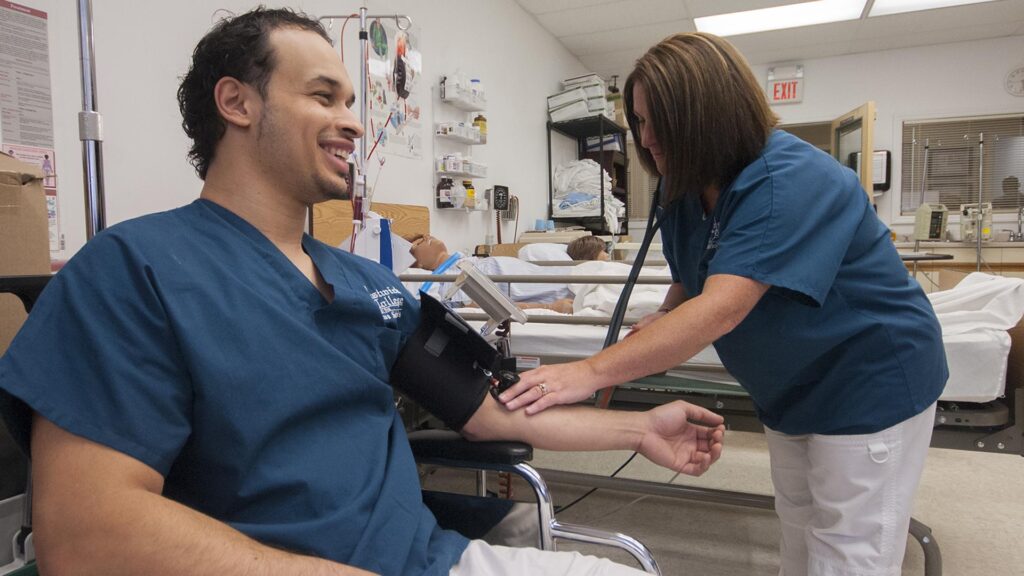
Excelling as a Patient Care Technician (PCT) requires a combination of technical skills, interpersonal abilities, and professional habits. One of the most important tips for success is to continuously update your medical knowledge. Healthcare is an ever-evolving field, with new procedures, technologies, and best practices emerging regularly. Staying informed through continuing education, workshops, and certification updates ensures that PCTs provide safe, effective, and up-to-date care to their patients.
Another key tip is to develop strong communication skills. PCTs interact frequently with patients, families, and healthcare team members. Clear communication helps prevent misunderstandings, ensures accurate documentation, and fosters positive relationships with patients. Active listening and empathy are also essential components of communication, enabling PCTs to respond appropriately to patients’ needs and concerns.
Compassion and patience are critical traits for any successful PCT. Working with patients who are sick, elderly, or recovering from surgery can be emotionally and physically challenging. Demonstrating empathy, understanding, and patience can significantly improve the patient experience and strengthen trust between patients and healthcare staff. PCTs who approach their work with compassion often find greater personal satisfaction and professional success.
Effective time management and organizational skills are also essential. PCTs often juggle multiple responsibilities, including monitoring vital signs, assisting with daily activities, documenting patient information, and performing clinical procedures. Prioritizing tasks, staying organized, and managing time efficiently help PCTs maintain high standards of care without feeling overwhelmed.
13. Conclusion
Patient Care Technicians (PCTs) are indispensable members of the healthcare team, serving as the vital link between patients and medical professionals. Their role goes beyond performing clinical tasks such as monitoring vital signs, assisting with personal hygiene, and collecting lab samples. PCTs also provide emotional support, comfort, and reassurance to patients, helping them navigate the challenges of illness, recovery, or long-term care. This dual responsibility of medical and emotional support makes their contribution uniquely valuable in any healthcare setting.
Choosing a career as a PCT offers both personal fulfillment and professional growth. Individuals in this field have the opportunity to make a meaningful difference in patients’ lives every day. By providing hands-on care and compassionate support, PCTs directly impact patient outcomes, enhance the quality of care, and contribute to a positive healthcare experience. The satisfaction of helping others, combined with the tangible results of their work, makes the career highly rewarding for those with a passion for healthcare.
The profession also provides career stability and advancement opportunities. With the growing demand for healthcare professionals, PCTs are increasingly sought after in hospitals, nursing homes, rehabilitation centers, and home healthcare services. In addition, the skills and experience gained as a PCT create a strong foundation for further education and advancement into nursing, specialized healthcare roles, or supervisory positions. This ensures that a career as a PCT is not only fulfilling but also offers long-term growth and security.
Furthermore, PCTs develop a wide range of practical and interpersonal skills that are highly valuable in the healthcare industry. From clinical competencies to communication, empathy, and problem-solving abilities, these skills equip PCTs to handle complex patient care situations effectively. This combination of technical knowledge and human-centered care underscores the importance of PCTs in improving patient well-being and maintaining high standards of healthcare service.
In summary, becoming a Patient Care Technician is an excellent choice for anyone passionate about helping others and pursuing a meaningful career in healthcare. PCTs play a crucial role in supporting patients, assisting medical teams, and contributing to overall healthcare outcomes. For those seeking a career that is both impactful and rewarding, the path of a Patient Care Technician offers a fulfilling journey filled with opportunities for growth, learning, and making a real difference in people’s lives.
14. FAQs
1. What is a Patient Care Technician (PCT)?
A Patient Care Technician is a healthcare professional who provides hands-on support to patients and assists nurses and doctors with medical and daily care tasks. PCTs monitor vital signs, help with hygiene, assist in mobility, collect lab samples, and provide emotional support.
2. What are the main responsibilities of a PCT?
PCTs perform a mix of clinical and supportive tasks, including taking vital signs, helping patients with daily activities, collecting samples for lab tests, recording medical information, and assisting with rehabilitation exercises or mobility.
3. What education is required to become a PCT?
Usually, a GED or high school diploma is necessary. After that, candidates must complete a certified PCT training program, which includes classroom instruction and clinical practice in a healthcare setting.
4. Do Patient Care Technicians need certification?
Yes, certification is often required or highly recommended. Popular certifications include the Certified Patient Care Technician/Assistant (CPCT/A) from the National Healthcareer Association (NHA). Additional certifications in phlebotomy or EKG monitoring can enhance career opportunities.
5. How long does it take to become a Patient Care Technician?
The length of training programs varies but usually takes 4 to 12 months, depending on whether the student attends full-time or part-time. Programs include both classroom instruction and clinical rotations.
6. What skills are essential for a Patient Care Technician?
Key skills include medical knowledge, attention to detail, empathy and compassion, communication, time management, and the ability to work under pressure in a fast-paced healthcare environment.
7. Where do Patient Care Technicians typically work?
PCTs work in hospitals, nursing homes, rehabilitation centers, assisted living facilities, outpatient clinics, and sometimes in home healthcare services. Each environment has unique responsibilities and challenges.
8. What is the average salary of a Patient Care Technician?
In the United States, the average salary ranges from $28,000 to $45,000 annually, depending on experience, certifications, and location. Additional benefits and overtime pay can further increase total compensation.
9. What are the working hours for a Patient Care Technician?
Many PCTs work shift schedules, including nights, weekends, and holidays, especially in hospitals or long-term care facilities. Some facilities may offer flexible schedules or part-time positions.
10. What challenges do Patient Care Technicians face?
PCTs face physical demands, emotional strain, shift work, and the responsibility of accurately performing medical tasks. Strong resilience, self-care, and professional training help manage these challenges.
11. Can Patient Care Technicians advance to other healthcare roles?
Yes, many PCTs advance to roles such as Licensed Practical Nurse (LPN), Registered Nurse (RN), medical assistants, or supervisory positions. Specialized certifications can also lead to higher-paying and advanced clinical roles.
12. Do Patient Care Technicians interact with patients emotionally?
Absolutely. PCTs provide emotional support, comfort, and reassurance to patients, especially those with chronic illnesses or recovering from surgery. Emotional intelligence and empathy are essential for this aspect of care.
13. Is becoming a Patient Care Technician a good career choice?
Yes. The role offers job stability, career growth, professional development, and personal fulfillment. It is ideal for individuals who enjoy patient interaction and want a meaningful, hands-on healthcare career.
14. How can a Patient Care Technician improve their skills for career growth?
Patient Care Technicians can improve their skills through continuing education, specialized certifications (like phlebotomy or EKG monitoring), attending workshops, gaining hands-on experience, and seeking mentorship from experienced healthcare professionals.