
1. Introduction
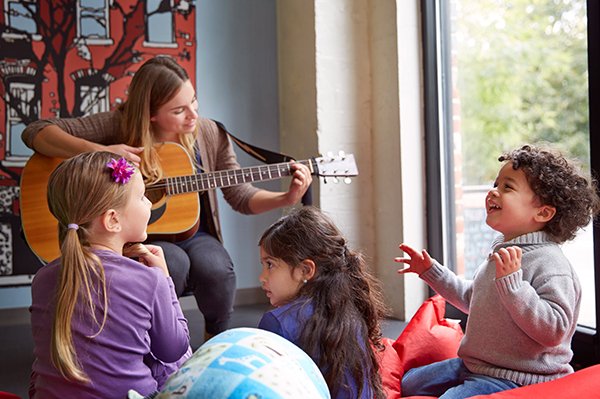
Classroom music is an educational approach that incorporates musical activities, rhythms, and sound-based experiences into everyday learning. Unlike traditional music lessons, which may focus solely on playing instruments or singing, classroom music integrates music as a tool to enhance overall student development. It allows students to engage actively with sound, rhythm, and melody while simultaneously supporting cognitive growth, emotional intelligence, and social skills. By embedding music into the classroom environment, educators can create dynamic and interactive learning experiences that go beyond memorization and passive learning.
One of the primary benefits of classroom music is its ability to stimulate multiple areas of the brain at once. Activities like clapping rhythms, singing songs, or playing instruments require coordination, listening, and concentration. These experiences enhance memory retention, attention span, and problem-solving abilities in students. For young learners, engaging with music can significantly accelerate language development, improve pattern recognition, and develop early math skills. Even for older students, musical exercises can reinforce creativity and abstract thinking, making learning more holistic and enjoyable.
Classroom music also plays a crucial role in emotional and social development. Music naturally evokes emotions, and when students participate in musical activities, they learn to express themselves, manage stress, and cultivate empathy for others. Group activities such as singing in unison, playing percussion instruments together, or composing simple songs encourage collaboration and teamwork. Through these interactions, students build stronger interpersonal relationships and a sense of belonging within the classroom community.
Moreover, classroom music supports cultural awareness and inclusivity. By exposing students to different musical traditions, instruments, and styles, educators can foster respect for diversity and broaden students’ global perspectives. This exposure not only enriches the learning environment but also nurtures creativity and adaptability—skills that are essential in today’s interconnected world. In essence, classroom music is not just an artistic pursuit; it is a comprehensive educational tool that enhances academic performance, emotional well-being, and social development simultaneously.
2. The Importance of Music in Education
Music plays a vital role in the educational development of students, going far beyond simple entertainment or leisure. Integrating music into the classroom provides a multifaceted approach to learning that engages both the mind and the senses. By incorporating rhythm, melody, and harmony into lessons, educators can enhance students’ ability to concentrate, retain information, and approach problems creatively. This makes music not only an artistic tool but also a cognitive enhancer that supports academic success across multiple subjects.
One of the most well-documented benefits of music in education is its impact on memory and focus. Learning songs, rhythms, or musical patterns requires students to recall sequences, recognize patterns, and apply attention to detail. These activities strengthen neural pathways in the brain that are associated with memory retention and information processing. For example, students who participate in musical exercises often show improved recall of academic material, including vocabulary, mathematical concepts, and historical facts. Music effectively acts as a mental workout, sharpening both short-term and long-term memory in young learners.
In addition to cognitive benefits, music fosters creativity and critical thinking. When students create melodies, improvise rhythms, or compose simple songs, they are encouraged to experiment, take risks, and express themselves uniquely. This form of creative engagement translates into better problem-solving skills, innovative thinking, and the ability to approach challenges from multiple perspectives. Furthermore, music can make learning more enjoyable, increasing students’ intrinsic motivation and encouraging them to participate actively in classroom activities.
Another significant aspect of classroom music is its effect on emotional intelligence. Exposure to music helps students recognize and process emotions, both in themselves and in others. Listening to different types of music, performing in groups, or composing original pieces encourages empathy, emotional expression, and stress reduction. These emotional skills are critical for creating a positive learning environment, reducing behavioral issues, and fostering collaboration among peers.
3. How Classroom Music Improves Cognitive Skills
Classroom music is a powerful tool for enhancing students’ cognitive abilities because it engages multiple areas of the brain simultaneously. When children listen to, perform, or create music, they are processing sounds, patterns, and rhythms, which stimulates neural connections essential for learning. This mental exercise strengthens memory, attention, and problem-solving skills, making students more capable of handling complex academic tasks. Unlike traditional teaching methods that often target a single cognitive skill, music offers a multidimensional approach, combining auditory, visual, and kinesthetic learning.
One of the most notable ways music enhances cognition is through the development of memory. Learning songs, rhythms, and sequences requires students to recall information in a structured way, improving both short-term and long-term memory. For example, rhythm exercises can help students remember multiplication tables, grammar rules, or historical dates by linking information to musical patterns. This technique, often referred to as “musical mnemonics,” demonstrates that classroom music is not just an artistic activity but a practical tool to improve academic retention.
Music also strengthens attention and focus. Engaging with instruments, following rhythms, or coordinating movements to a beat requires sustained concentration. This practice enhances students’ ability to pay attention during lessons and improves their capacity to multitask efficiently. Studies have shown that students who participate in regular music activities exhibit higher levels of executive function, the cognitive processes responsible for planning, decision-making, and self-control. These skills are essential not only in academics but also in everyday life.
In addition, classroom music promotes critical thinking and problem-solving. Activities like composing melodies, creating harmonies, or analyzing musical structures challenge students to think creatively and strategically. They learn to identify patterns, anticipate outcomes, and adapt their approach when a rhythm or melody does not align. These exercises mirror the analytical skills required in mathematics, science, and language arts, demonstrating that music can reinforce traditional academic subjects while fostering independent thinking.
4. Emotional Benefits of Classroom Music
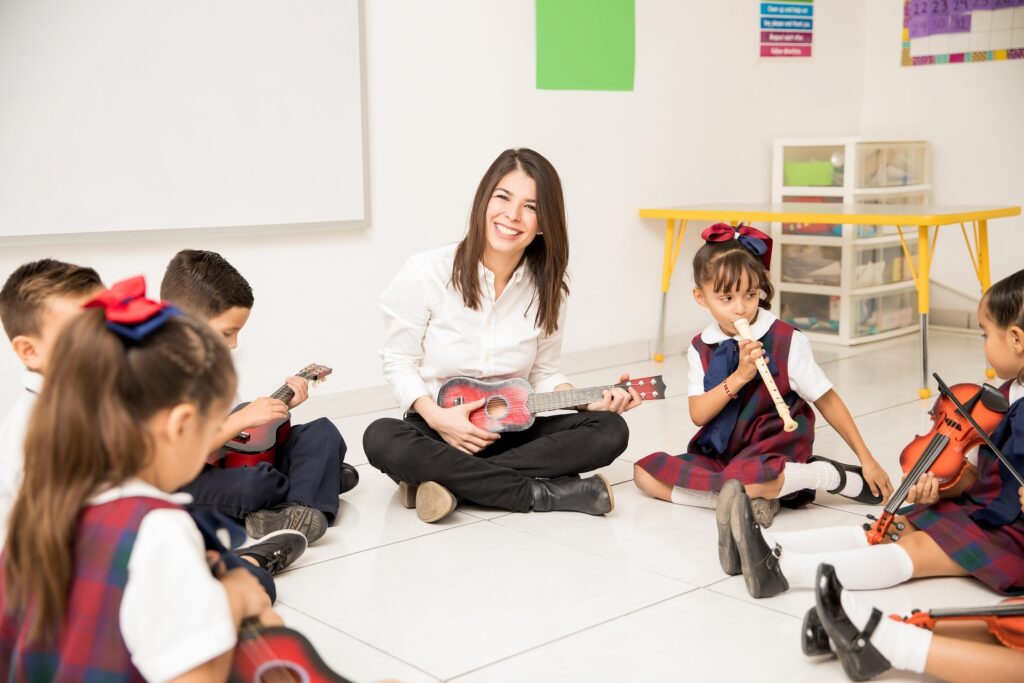
Classroom music plays a significant role in the emotional development of students by providing an outlet for expression, reducing stress, and promoting emotional regulation. Music naturally evokes feelings, whether joy, calmness, or excitement, allowing students to explore and understand their emotions in a safe environment. Integrating musical activities into lessons helps children recognize and articulate their feelings, fostering self-awareness and emotional intelligence from an early age.
Participating in music also reduces stress and anxiety, which are common barriers to effective learning. Listening to calming melodies, engaging in rhythmic exercises, or performing simple songs can have a soothing effect on the mind, lowering heart rate and easing tension. This creates a positive learning environment where students feel relaxed and ready to engage with educational content. Teachers often use brief musical breaks or background music to help students refocus during challenging lessons, demonstrating how emotional well-being and academic performance are closely connected.
Furthermore, classroom music encourages empathy and social understanding. Group musical activities, such as choirs, percussion ensembles, or collaborative songwriting, require students to listen carefully to others, respond appropriately, and synchronize their efforts. These experiences teach students to respect different perspectives and cooperate effectively, strengthening emotional bonds with peers. By working together to create harmonious sounds, children learn the value of teamwork, patience, and compassion.
Music also provides a creative outlet for emotional expression that may be difficult to achieve through words alone. For many students, composing melodies or experimenting with instruments allows them to channel complex emotions like frustration, excitement, or curiosity into productive and tangible forms. This process not only enhances emotional intelligence but also boosts self-confidence, as students see their creativity valued and shared with others.
In addition, the emotional benefits of classroom music extend to motivation and resilience. Students who engage regularly with music often show increased enthusiasm for learning and greater persistence when faced with challenges. Music instills a sense of accomplishment as students master new skills, perform for peers, or complete creative projects. Over time, these experiences contribute to a stronger, more balanced emotional foundation that supports academic and personal growth.
5. Music and Language Development
Classroom music is a powerful tool for enhancing language development in students, supporting skills such as vocabulary acquisition, pronunciation, listening, and comprehension. Musical activities like singing, rhyming, and chanting introduce new words and sentence structures in a natural and engaging context. By associating words with melodies and rhythms, students are more likely to remember and use language effectively, making music an essential component of literacy development in the classroom.
Singing songs and reciting rhymes also improve pronunciation and articulation. Music encourages students to pay close attention to sounds, syllables, and intonation patterns, which strengthens their phonological awareness. This is particularly beneficial for younger children learning to read and write, as well as for second-language learners who need to develop accurate speech patterns. Musical repetition reinforces correct pronunciation while making learning enjoyable and interactive, reducing the pressure often associated with traditional language drills.
Listening to and performing music in a classroom setting also sharpens auditory processing skills. Students learn to differentiate between subtle sound variations, identify rhythms, and recognize patterns in melodies. These auditory skills directly translate to better listening comprehension, enabling students to follow instructions more accurately, understand stories, and engage in meaningful conversations. Music, therefore, provides a foundation for both receptive and expressive language abilities.
Additionally, composing songs or creating musical stories fosters creativity in written and spoken language. When students are encouraged to write lyrics, narrate musical experiences, or describe sounds, they develop their expressive language skills while experimenting with vocabulary, grammar, and narrative structure. This creative approach not only improves communication but also builds confidence in sharing ideas, presenting work, and participating in classroom discussions.
6. Building Social Skills Through Music
Classroom music is an effective way to nurture social skills among students, providing opportunities for collaboration, communication, and empathy. When children engage in group musical activities—such as singing in a choir, playing in a percussion circle, or performing ensemble pieces—they learn to work together toward a common goal. These experiences teach them the importance of listening to others, taking turns, and adjusting their actions to create harmony, both musically and socially.
Participating in musical activities also helps students develop teamwork and cooperation. For example, playing instruments in sync or performing a rhythm together requires coordination and mutual support. Each student has a role to play, and success depends on everyone’s contribution. This mirrors real-life situations where collaboration is essential, reinforcing skills like patience, respect, and reliability. Over time, students who engage in such group music experiences become more adept at building positive relationships and resolving conflicts constructively.
Music also fosters empathy and emotional understanding. When students perform or respond to music that expresses emotions—such as joy, sadness, or excitement—they learn to recognize and interpret feelings in themselves and others. This heightened emotional awareness translates into better social interactions, helping students to communicate more effectively, show compassion, and adapt to diverse social situations. These lessons are particularly valuable in multicultural classrooms, where music can bridge language and cultural barriers.
In addition, classroom music provides a safe and inclusive environment for shy or introverted students to engage socially. Group singing, movement, and instrumental activities encourage participation in a supportive setting, helping students gain confidence and feel a sense of belonging. The shared experience of creating music together strengthens peer connections and builds a positive classroom community where collaboration and mutual respect are valued.
7. Classroom Music for Different Age Groups
Classroom music can be tailored to meet the developmental needs of students at various age levels, ensuring that every child benefits from musical experiences in a way that supports their growth. For early childhood learners, music activities such as nursery rhymes, clapping games, and simple movement songs help develop fine and gross motor skills, coordination, and basic auditory discrimination. These foundational activities also enhance attention span and language acquisition, setting the stage for future academic success.
In primary school, classroom music becomes more structured while still emphasizing creativity and engagement. Students can begin learning to play simple instruments like tambourines, xylophones, or recorders, which encourages hand-eye coordination, timing, and rhythm recognition. Singing songs, exploring melodies, and participating in group performances not only strengthen musical skills but also reinforce core subjects such as mathematics and literacy through rhythm-based counting, pattern recognition, and storytelling. This age group benefits greatly from the balance of structured learning and creative exploration.
For secondary school students, classroom music often evolves to include music theory, composition, and performance analysis. Older students are capable of more complex musical tasks such as reading sheet music, composing their own songs, or studying cultural and historical aspects of music. These activities encourage critical thinking, problem-solving, and self-expression while fostering a deeper appreciation for the art form. Classroom music at this stage also provides a platform for collaborative projects, such as band performances or digital music production, which cultivate teamwork, leadership, and technical skills.
Furthermore, adapting music to different age groups allows educators to address diverse learning styles. Younger children may respond best to visual and kinesthetic cues, while older students can engage with abstract concepts and critical listening exercises. This flexibility ensures that music remains relevant and engaging for all learners, providing both enjoyment and educational value.
Ultimately, classroom music for different age groups is not simply about teaching notes and rhythms—it is about creating meaningful, developmentally appropriate experiences that foster cognitive, emotional, and social growth. By carefully designing musical activities for each stage of development, educators can maximize the benefits of music education and nurture lifelong skills in creativity, collaboration, and self-expression.
8. Tools and Instruments for Classroom Music
The effectiveness of classroom music largely depends on the tools and instruments available, which can enhance learning, engagement, and creativity. Simple instruments such as tambourines, hand drums, maracas, xylophones, and glockenspiels are ideal for younger students because they are easy to handle and produce immediate auditory feedback. These instruments help develop rhythm, coordination, and fine motor skills while making learning fun and interactive. Even low-cost or homemade instruments, such as shakers made from recycled materials, can provide meaningful musical experiences for children.
For older students, more advanced instruments and technology can expand musical possibilities. Students can delve deeper into melody, harmony, and composition with the help of keyboards, guitars, and digital percussion pads. Integrating digital tools such as music-making apps, online sequencers, and interactive whiteboards enables students to compose, record, and experiment with sounds in real time. Technology also provides accessibility for classrooms with limited physical instruments, ensuring all students can participate fully in musical learning activities.
In addition to traditional and digital instruments, classroom music often involves props and materials that enhance interactive learning. For instance, visual aids like rhythm cards, song charts, and movement mats help students follow musical patterns, understand timing, and engage kinesthetically. Props like scarves or ribbons can be used in movement-based musical activities, linking auditory and physical experiences, which is particularly effective for younger learners or students with diverse learning needs.
Choosing the right tools and instruments also encourages creativity and experimentation. When students have access to a variety of sounds, they can explore tone, volume, and tempo, creating original compositions or improvising rhythms. This hands-on approach not only strengthens musical skills but also supports cognitive development, problem-solving, and collaborative learning.
Ultimately, a well-equipped classroom with a range of instruments, tools, and digital resources provides students with a rich musical environment. Whether using traditional percussion, keyboards, or innovative technology, the right combination of resources fosters creativity, engagement, and a deeper understanding of music, making learning both enjoyable and educationally meaningful.
9. Integrating Music with Other Subjects
Classroom music is not limited to the arts—it can be seamlessly integrated with other academic subjects to enhance learning and make lessons more engaging. By connecting music to subjects like mathematics, science, language arts, and history, educators can create interdisciplinary experiences that reinforce core concepts while maintaining student interest. This approach allows students to see practical applications of music in everyday learning, deepening both their academic understanding and creative skills.
In mathematics, music helps students grasp concepts such as counting, fractions, and patterns. Rhythm exercises and clapping games allow students to practice dividing beats into equal parts, understanding timing, and recognizing repeating sequences. For example, a 4/4 rhythm pattern can illustrate how fractions work, making abstract concepts tangible and easier to understand. This kinesthetic and auditory approach strengthens memory and supports multiple learning styles.
In science, music can be used to explore sound waves, vibrations, and the physics of acoustics. Students can investigate how instruments produce different pitches, how sound travels, and how volume and resonance work. Incorporating experiments like comparing string vibrations on different instruments or analyzing frequency patterns combines hands-on learning with theoretical understanding, making science lessons more interactive and memorable.
Language arts and literacy skills also benefit from classroom music. Songs, rhymes, and chants improve vocabulary, pronunciation, and sentence structure while encouraging creative expression. Additionally, students can write lyrics or create musical stories, which enhances writing skills, narrative comprehension, and critical thinking. Music offers a natural rhythm for reading and speaking, aiding fluency and auditory discrimination.
Finally, history and cultural studies are enriched through music by exploring the musical traditions of different cultures and historical periods. Students can learn about the significance of folk songs, classical compositions, or protest music in shaping societies, which promotes cultural awareness and empathy. Integrating music into other subjects not only reinforces knowledge but also engages students in meaningful, multidisciplinary learning experiences.
10. Overcoming Challenges in Implementing Classroom Music
While classroom music offers numerous educational benefits, implementing it effectively can present several challenges for educators. Limited resources, such as insufficient instruments, a lack of space, or outdated technology, can make it difficult to provide consistent and engaging musical experiences. Additionally, not all teachers may feel confident in leading music activities, especially if they lack formal training in music education. Recognizing these obstacles is the first step toward creating strategies that ensure all students can benefit from classroom music.
One common challenge is the availability of instruments and materials. Schools with tight budgets may struggle to provide a variety of instruments for students, which can limit participation and creativity. To overcome this, teachers can use cost-effective alternatives such as homemade instruments, recycled materials, or digital music apps. Even simple tools like rhythm sticks, tambourines, or online piano simulators can provide meaningful musical experiences without heavy investment. Creative solutions like these ensure that all students have access to music learning opportunities.
Another challenge is teacher confidence and expertise. Not all educators are trained musicians, which can create hesitation in incorporating music into lessons. Professional development workshops, online tutorials, and collaborative planning with music specialists can equip teachers with the skills and confidence needed to lead musical activities. Additionally, integrating music in small, structured segments—such as short singing exercises, rhythm games, or background melodies—can make implementation manageable while still providing educational value.
Time constraints also pose a challenge, as teachers often have to balance core subjects with creative activities. Incorporating music doesn’t necessarily require a separate period; even brief musical exercises at the beginning or end of a lesson, or using songs to reinforce academic concepts, can make a meaningful difference. Strategic planning and integrating music with other subjects allow educators to maximize learning without disrupting the curriculum.
Finally, some students may have diverse learning needs or sensory sensitivities that make musical activities challenging. Teachers can address this by offering flexible participation options, adjusting volume levels, or providing alternative instruments and activities. By creating an inclusive musical environment, educators ensure that every student can engage comfortably and benefit from the cognitive, social, and emotional advantages of classroom music.
11. Classroom Music and Technology
In today’s digital age, technology plays a crucial role in enhancing classroom music, making it more interactive, accessible, and engaging for students. Digital tools and music software allow teachers and students to explore a wide range of musical concepts, from composing melodies to recording and editing performances. By integrating technology into music education, classrooms can overcome limitations such as scarce instruments or limited musical expertise, ensuring that all students have meaningful opportunities to participate in musical activities.
Music apps and software provide versatile platforms for learning. Students can create digital compositions, experiment with different instruments, or explore rhythms and melodies virtually. Programs such as online sequencers, virtual keyboards, and digital percussion tools allow learners to practice, compose, and collaborate in real time. This not only enhances creativity but also develops technical skills that are increasingly valuable in both academic and professional contexts. Even classrooms without traditional instruments can offer rich musical experiences through technology.
Technology also supports interactive learning and engagement. Smartboards, tablets, and projection tools can display musical notes, lyrics, and rhythm patterns, allowing students to follow along visually while playing or singing. Interactive exercises, such as rhythm games or karaoke-style activities, motivate students to participate actively while reinforcing concepts like timing, pitch, and melody. These methods cater to different learning styles, combining auditory, visual, and kinesthetic experiences for maximum impact.
Additionally, technology facilitates collaborative music projects. Students can record individual parts and combine them digitally to create group performances, even when physical collaboration is not possible. Online platforms allow students to share compositions, provide peer feedback, and work together on creative projects. This promotes teamwork, communication skills, and a sense of accomplishment, while also teaching valuable skills in digital literacy and project management.
12. Measuring the Impact of Classroom Music
Evaluating the effectiveness of classroom music is essential to understanding its benefits and guiding future teaching strategies. While music’s impact may seem intangible at first, educators can assess its influence through a combination of observation, student feedback, and academic indicators. By carefully measuring outcomes, schools can ensure that music education contributes meaningfully to cognitive, emotional, and social development.
One way to measure impact is through observational assessments. Teachers can monitor students’ engagement during musical activities, noting improvements in attention, participation, and collaboration. For example, a student who initially hesitates to join group singing or rhythmic exercises may gradually become more confident, demonstrating growth in social and emotional skills. Observing such behavioral changes over time provides valuable insights into how music affects classroom dynamics and individual student development.
Academic performance is another important indicator. Research shows that students exposed to regular musical activities often perform better in subjects such as math, language arts, and science. Teachers can track improvements in memory, comprehension, and problem-solving skills to evaluate the cognitive benefits of classroom music. Linking musical activities with lesson objectives allows educators to directly observe how music enhances learning outcomes and reinforces subject matter.
Student feedback is also a valuable tool for measuring impact. Surveys, discussions, or reflective exercises enable students to express how music affects their mood, motivation, and enjoyment of learning. Positive responses often indicate increased engagement, self-confidence, and emotional well-being. Listening to students’ perspectives helps teachers refine their approach, ensuring that musical activities remain relevant, enjoyable, and effective.
13. Conclusion
Classroom music is more than just an artistic activity—it is a transformative educational tool that supports holistic development in students. By integrating rhythm, melody, and sound-based learning into daily lessons, educators can simultaneously foster cognitive, emotional, and social growth. The benefits of classroom music extend beyond musical proficiency, influencing memory, focus, creativity, language skills, empathy, and teamwork, making it a vital component of modern education.
Incorporating music in the classroom allows students to engage actively with learning while expressing themselves creatively. It encourages experimentation, problem-solving, and critical thinking, all of which contribute to academic success across subjects. Additionally, music helps children manage emotions, reduce stress, and build confidence, creating a positive and inclusive environment where every student can thrive. The social aspects of music, such as group performances and collaborative activities, further strengthen peer relationships and foster a sense of belonging in the classroom community.
Technology has expanded the possibilities for classroom music, enabling digital composition, interactive learning, and collaborative projects that cater to diverse learning styles. By combining traditional instruments, digital tools, and creative pedagogy, teachers can design lessons that are engaging, flexible, and impactful. These modern approaches ensure that music education remains relevant and accessible for all students, regardless of resources or prior experience.
Ultimately, the integration of classroom music represents a commitment to nurturing well-rounded, lifelong learners. Schools that prioritize music not only enhance academic achievement but also cultivate emotional intelligence, social competence, and creative problem-solving skills. By making music a central part of education, educators provide students with the tools to succeed academically, connect meaningfully with others, and develop a lifelong appreciation for creativity and learning.
In conclusion, classroom music is a dynamic, versatile, and essential element of education. It bridges the gap between cognitive development and emotional well-being, combining creativity, technology, and pedagogy to create enriching experiences that prepare students for both academic and personal success.
14. FAQs
1. What is classroom music?
Classroom music refers to the integration of musical activities, such as singing, playing instruments, rhythm exercises, and listening activities, into the learning environment. It is used as a teaching tool to support cognitive, emotional, and social development in students.
2. Why is classroom music important for students?
Classroom music enhances memory, focus, creativity, language skills, and emotional intelligence. It also improves social skills by encouraging collaboration, teamwork, and empathy among students.
3. At what age should children start learning music in the classroom?
Children can start engaging with music from early childhood. Simple activities like nursery rhymes, clapping games, and rhythm exercises are suitable for toddlers, while older children can progress to instruments, music theory, and composition.
4. How does classroom music improve academic performance?
Music stimulates multiple areas of the brain, enhancing memory, attention, and problem-solving abilities. Integrating music with subjects like math, language, and science can help students better understand and retain academic concepts.
5. What types of instruments are suitable for classroom music?
Simple instruments such as tambourines, xylophones, drums, maracas, and digital tools are ideal for classrooms. Even homemade instruments can be effective for developing rhythm, coordination, and creativity.
6. Can classroom music help with emotional development?
Yes. Music allows students to express their emotions, manage stress, and build emotional intelligence. Group musical activities also teach empathy and cooperation, fostering social-emotional growth.
7. How can technology enhance classroom music?
Technology provides digital instruments, music apps, and recording tools that allow students to compose, perform, and collaborate. Interactive software and smartboards also make learning musical concepts engaging and accessible.
8. How can music be integrated with other subjects?
Music can reinforce lessons in math (through rhythm and counting), science (sound and acoustics), language arts (vocabulary, rhymes, storytelling), and history (cultural and historical music traditions). This interdisciplinary approach makes learning more engaging.
9. What are some challenges of implementing classroom music?
Challenges include limited resources, lack of teacher expertise, time constraints, and diverse student needs. Creative solutions like digital tools, low-cost instruments, and structured short exercises can overcome these obstacles.
10. How does classroom music improve social skills?
Group musical activities teach students to listen, collaborate, take turns, and respond to others. Performing in ensembles or choirs fosters teamwork, leadership, and peer relationships.
11. Can classroom music improve language development?
Yes. Singing, rhymes, and musical storytelling enhance vocabulary, pronunciation, listening, and communication skills. Composing songs also promotes expressive language and literacy.
12. How do teachers measure the impact of classroom music?
The impact can be measured through observation, student feedback, academic performance, and social-emotional indicators. Teachers can track improvements in attention, memory, creativity, collaboration, and confidence.
13. Why should schools prioritize classroom music?
Schools should prioritize classroom music because it supports holistic development—cognitive, emotional, social, and creative growth. Music enhances learning across subjects, improves well-being, and fosters essential life skills in students.