
Introduction
HEP 2 go rapidly evolving healthcare environment, the role of home exercise programs (HEPs) has grown tremendously. Rehabilitation is no longer confined to the walls of a clinic—recovery continues at home, in gyms, or wherever patients carry out their daily routines. HEPs are structured exercise regimens prescribed by healthcare professionals, particularly physical therapists, occupational therapists, and athletic trainers, to ensure patients maintain mobility, strength, and functionality between therapy sessions.
However, designing, delivering, and tracking these programs has historically posed challenges. Paper handouts are easily misplaced, instructions can be misinterpreted, and therapists have limited visibility into whether patients are following their prescribed routines correctly. This is where digital solutions have stepped in to transform the landscape.
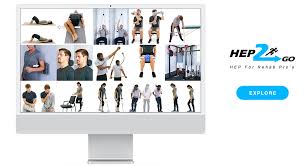
One such innovative tool is Hep 2 Go, a web-based platform that enables healthcare professionals to create, customize, and share personalized exercise programs with patients in a highly accessible and user-friendly manner. With Hep 2 Go, patients can access their exercise routines via smartphones, tablets, or computers, complete with clear instructions, images, and video demonstrations. This not only ensures that exercises are performed safely and correctly but also significantly improves patient adherence and engagement.
In this article, we will explore Hep 2 Go in depth, examining how it works, its key features, and the ways it supports both therapists and patients in achieving better rehabilitation outcomes. By understanding the potential of such digital tools, clinicians can harness technology to bridge the gap between clinic-based care and at-home recovery, ultimately leading to more efficient, effective, and patient-centered rehabilitation programs.
What Is Hep 2 Go?
Hep 2 Go is an innovative web-based platform specifically developed for rehabilitation and therapy professionals. Its primary purpose is to streamline the creation, customization, and delivery of home exercise programs (HEPs), allowing therapists to extend care beyond the clinic walls.
The name itself reflects its mission:
- HEP stands for Home Exercise Program, emphasizing the focus on patient-directed rehabilitation outside the clinical setting.
- 2 Go highlights the platform’s portability and accessibility, meaning that both therapists and patients can use it anywhere, at any time, through internet-connected devices like smartphones, tablets, or computers.
Hep 2 Go has become a staple tool among physical therapists, occupational therapists, athletic trainers, chiropractors, and other rehabilitation specialists. Its widespread adoption stems from its ability to enhance patient care by ensuring exercises are performed correctly and consistently. Through the platform, therapists can provide detailed, step-by-step instructions, visual aids, and video demonstrations, which help patients understand the exercises and perform them safely at home.
By bridging the gap between clinic visits, Hep 2 Go not only improves patient adherence but also reduces the risk of improper technique or injury, which are common challenges with traditional paper-based exercise prescriptions. The platform represents a modern, efficient, and patient-centered approach to rehabilitation, reflecting the increasing role of digital tools in healthcare today.

Who Uses Hep 2 Go?
Hep 2 Go is designed for a wide range of rehabilitation and healthcare professionals who need an efficient and effective way to prescribe and monitor home exercise programs. Its versatility makes it suitable for both large clinics and solo practitioners, bridging the gap between professional guidance and patient self-management.
1. Physical Therapists (PTs)
Physical therapists are among the primary users of Hep 2 Go. They utilize the platform to create customized exercise routines for patients recovering from surgery, injury, or chronic conditions such as back pain, joint issues, or neurological disorders. The platform allows PTs to provide clear instructions, demonstration videos, and visual cues, ensuring exercises are performed correctly, which is critical for effective rehabilitation.
2. Occupational Therapists (OTs)
Occupational therapists use Hep 2 Go to support daily functional activities and fine motor skills rehabilitation. By providing tailored home exercises, OTs can help patients regain independence in activities such as dressing, cooking, or working, particularly after injuries, strokes, or developmental challenges.
3. Athletic Trainers and Sports Medicine Professionals
Athletic trainers leverage Hep 2 Go to design performance-focused rehabilitation programs for athletes recovering from sports injuries. The platform helps ensure that athletes maintain strength, flexibility, and conditioning outside of team practices or training sessions, which is crucial for safe and timely return to play.
4. Chiropractors and Other Rehab Specialists
Chiropractors and other rehabilitation professionals use Hep 2 Go to supplement in-clinic treatments with at-home exercise guidance. By providing patients with structured routines, these specialists can enhance treatment outcomes, reduce recurrence of injuries, and promote long-term wellness.
Why Professionals Choose Hep 2 Go
The platform’s ease of use, comprehensive exercise library, and ability to deliver programs digitally make it appealing to professionals who want to maximize patient engagement, track adherence, and improve recovery outcomes. With Hep 2 Go, clinicians can maintain continuous oversight, ensuring that patients stay on track with their rehabilitation plans even outside the clinic environment.
Key Features of Hep 2 Go
Hep 2 Go is designed to simplify rehabilitation management for both healthcare professionals and patients. Its features focus on efficiency, accessibility, and patient engagement, helping therapists deliver high-quality care while ensuring patients follow through with their exercise programs.
1. Extensive Exercise Library
One of Hep 2 Go’s standout features is its comprehensive exercise library, which includes thousands of exercises for a wide variety of conditions such as back pain, shoulder injuries, post-surgical recovery, and general mobility improvement. Each exercise comes with:
- High-quality images and video demonstrations to guide proper form
- Step-by-step instructions to ensure safe execution
- Condition-specific exercises to address patient needs accurately
This library saves therapists time while providing patients with clear visual guidance, reducing confusion and risk of injury.
2. Customization Tools
Hep 2 Go allows therapists to fully personalize exercise programs to match each patient’s unique requirements. Features include:
- Setting specific repetitions, sets, and intensity levels
- Adding detailed instructions or notes for individual exercises
- Saving custom routines for future patients or repeated use
These customization options ensure that every patient receives a program tailored to their condition, goals, and abilities, increasing adherence and effectiveness.
3. Easy Sharing Options
Delivering exercises to patients is simple and flexible. Hep 2 Go supports multiple sharing methods, including:
- Printouts for those who prefer physical copies
- Email or SMS for instant delivery to smartphones or computers
- QR codes that allow patients to access their program with a quick scan
This flexibility ensures that patients can access their exercise routines anytime, anywhere, which improves consistency and recovery outcomes.
4. Free and Premium Plans
Hep 2 Go offers tiered access to accommodate different user needs:
- Free Plan: Provides basic access to the exercise library and simple program creation, ideal for individual practitioners or small-scale use
- Pro Membership: Unlocks advanced features, including:
- Personalized branding for clinics
- Unlimited saved routines
- Multi-language support for diverse patient populations
- Enhanced sharing options for streamlined patient communication
This structure allows therapists to scale their use of the platform based on clinic size, patient volume, and professional requirements.
Benefits of Using Hep 2 Go
Hep 2 Go offers significant advantages for both patients and healthcare professionals, making it a valuable tool in modern rehabilitation practices. By combining digital convenience with professional guidance, the platform enhances recovery, efficiency, and education.
1. Empowers Patient Self-Care
One of the most important benefits of Hep 2 Go is its ability to empower patients to take charge of their rehabilitation. With clear instructions, videos, and images for each exercise, patients can confidently perform their routines at home. This continuity is crucial for:
- Faster recovery by ensuring exercises are done consistently and correctly
- Long-term health maintenance, as patients are more likely to integrate exercises into their daily lives
- Increased motivation, since patients can track progress and see improvements
By fostering independence, Hep 2 Go helps patients remain active participants in their own recovery journey.
2. Saves Clinician Time
For therapists, time is a valuable resource. Hep 2 Go simplifies the process of creating and distributing home exercise programs, eliminating the need for:
- Manually writing exercise instructions
- Printing or duplicating paper-based programs
- Re-explaining exercises during follow-up sessions
This efficiency allows clinicians to focus more on direct patient care, evaluating progress, and making adjustments to treatment plans instead of administrative tasks.
3. Enhances Education and Understanding
Effective rehabilitation depends on proper exercise technique. Hep 2 Go enhances patient education by providing:
- Visual aids and video demonstrations for correct execution
- Written step-by-step instructions to clarify each movement
- Guidance tailored to specific conditions or injury types
By clearly demonstrating how exercises should be performed, Hep 2 Go reduces errors, minimizes risk of injury, and ensures patients gain maximum benefit from their therapy.
Safety Considerations
While Hep 2 Go is a valuable tool for rehabilitation, it’s important for both patients and healthcare professionals to be aware of potential safety and security concerns. Recently, some users reported cybersecurity issues on the Hep 2 Go website, including fake CAPTCHAs that could potentially attempt to install malware on users’ devices.
To ensure safe usage of the platform, users should follow these best practices:
- Access Hep 2 Go only via the official website: Avoid using third-party links or search results that may redirect to fraudulent or malicious sites.
- Keep devices and antivirus software updated: Regular updates provide protection against malware, viruses, and other security threats.
- Avoid downloading unknown files or clicking suspicious links: Be cautious of pop-ups, unusual downloads, or requests for additional software, as these may compromise device security.
Despite these concerns, when used responsibly, Hep 2 Go remains a safe and effective tool for delivering home exercise programs. By combining digital convenience with caution, therapists and patients can maximize the benefits of the platform while minimizing risks, ensuring secure and productive rehabilitation experiences.
How Hep 2 Go Improves Patient Adherence
One of the biggest challenges in rehabilitation is ensuring that patients follow their home exercise programs consistently. Studies have shown that adherence to prescribed exercises significantly impacts recovery outcomes. Hep 2 Go addresses this challenge through several features:
- Clear Instructions and Visual Guidance: Each exercise comes with images and videos, making it easier for patients to understand how to perform movements correctly.
- Flexible Access: Patients can view their programs on smartphones, tablets, or computers anytime, which encourages regular practice.
- Progress Tracking: Some versions of Hep 2 Go allow therapists to monitor patient engagement, providing feedback and adjustments when necessary.
- Motivation Tools: By seeing progress and receiving reminders, patients are more likely to stay committed to their recovery routines.
By combining accessibility, clarity, and monitoring, Hep 2 Go significantly enhances patient adherence, which leads to faster recovery and fewer complications.
Integration With Clinical Workflows
Hep 2 Go is not just a tool for patients—it also integrates seamlessly into therapists’ clinical workflows:
- Time Efficiency: Therapists can quickly assemble exercise routines from a large library without creating paper-based handouts.
- Patient Management: Programs can be stored digitally, making it easier to retrieve, modify, or duplicate routines for multiple patients.
- Multi-Device Access: Therapists can access Hep 2 Go from any internet-connected device, whether in the clinic or remotely, ensuring uninterrupted care.
- Documentation Support: Detailed logs and progress tracking help therapists document patient compliance and recovery for professional records.
This integration allows therapists to save time, streamline operations, and focus more on hands-on care, while still maintaining high-quality patient outcomes.
Cost and Accessibility of Hep 2 Go
One of the strengths of Hep 2 Go is its affordable and flexible pricing structure, which makes it accessible to a wide range of healthcare professionals:
- Free Plan: Ideal for individual practitioners or small clinics, it provides basic access to the exercise library and simple program creation tools.
- Pro Membership: Designed for larger clinics or professionals who require advanced features such as unlimited saved routines, clinic branding, multi-language support, and enhanced sharing options.
- Tiered Pricing for Teams: Clinics with multiple therapists can take advantage of discounted rates for multiple users, making it cost-effective for larger practices.
Accessibility is further enhanced because Hep 2 Go is web-based, meaning users do not need specialized hardware or software to run the platform. Patients and clinicians can access programs anytime, anywhere, which is particularly beneficial for remote rehabilitation or telehealth scenarios.
Real-World Impact and Patient Success Stories
Hep 2 Go has demonstrated a tangible positive impact on patient outcomes and clinic efficiency:
- Improved Recovery Rates: Clinics report that patients who consistently use digital HEP platforms experience faster recovery times and better adherence to prescribed exercise routines.
- Enhanced Patient Engagement: Visual aids, step-by-step instructions, and easy access encourage patients to stay motivated and accountable throughout their rehabilitation journey.
- Case Studies: Physical therapy clinics have shared success stories where Hep 2 Go helped post-surgical patients regain mobility faster, and athletes recover more efficiently from sports injuries.
- Therapist Efficiency: By automating program creation and delivery, therapists can focus more on personalized patient care rather than administrative tasks, ultimately improving clinic workflow and satisfaction.
These real-world examples highlight how Hep 2 Go not only supports patients but also empowers healthcare providers, making it a valuable addition to modern rehabilitation practice.
How Hep 2 Go Supports Telehealth
With the rise of telehealth, Hep 2 Go has become an essential tool for remote rehabilitation. Therapists can assign exercises, monitor adherence, and provide feedback without requiring in-person visits. Features that support telehealth include:
- Remote Access: Patients can access exercises on any device, making it convenient for those in rural or underserved areas.
- Progress Tracking: Therapists can monitor whether patients are performing exercises correctly and on schedule.
- Video Demonstrations: Reduces the need for live instruction by showing proper technique digitally.
This integration with telehealth ensures continuity of care, especially during situations where in-person sessions are limited.
Multi-Language and Accessibility Features
Hep 2 Go caters to diverse patient populations by offering multi-language support and accessible features:
- Language Options: Programs can be created in different languages, allowing patients who speak non-English languages to understand instructions clearly.
- Visual and Written Instructions: Accommodates patients with varying literacy levels or learning preferences.
- Adaptive Exercises: Exercises can be tailored to different abilities, ages, or physical limitations, ensuring inclusivity.
These features make Hep 2 Go a versatile platform suitable for diverse clinical environments and patient needs.
Clinic Branding and Professional Customization
Hep 2 Go allows clinics to personalize exercise programs, reinforcing their professional identity:
- Custom Branding: Clinics can add logos and contact information to exercise sheets.
- Personalized Messages: Include motivational notes or instructions specific to each patient.
- Consistency in Care: Ensures patients associate the program with their trusted therapist and clinic, improving engagement.
Professional customization not only enhances the patient experience but also strengthens clinic credibility and trust.
Data Tracking and Reporting
One of Hep 2 Go’s powerful features is data tracking, which provides therapists with valuable insights:
- Exercise Completion Logs: Track whether patients are completing their routines as prescribed.
- Performance Feedback: Identify areas where patients may be struggling or performing exercises incorrectly.
- Reporting: Generate reports to document progress, useful for clinical records, insurance purposes, or research.
By analyzing this data, therapists can adjust programs proactively, leading to improved patient outcomes and evidence-based care.
Tips for Maximizing the Use of Hep 2 Go
To get the most out of Hep 2 Go, therapists and clinics should consider the following tips:
- Regularly Update Programs: Modify routines as patients progress to maintain effectiveness.
- Leverage Multimedia: Use images and videos to demonstrate proper technique clearly.
- Encourage Patient Feedback: Ask patients about difficulties or concerns to fine-tune exercises.
- Integrate with Clinic Workflow: Schedule regular check-ins and reminders through the platform.
- Educate Patients on Security: Ensure patients access the official site and understand safe usage.
Following these best practices enhances patient adherence, engagement, and overall rehabilitation success.
Future Potential of Digital HEP Platforms
The rise of platforms like Hep 2 Go represents a broader trend toward digital health in rehabilitation. The potential future developments include:
- AI-Driven Customization: Future versions may leverage artificial intelligence to create fully personalized exercise programs based on patient data and recovery progress.
- Telehealth Integration: Combining HEP platforms with telehealth services could allow therapists to conduct live virtual sessions while monitoring at-home exercises.
- Enhanced Multimedia & Gamification: Incorporating interactive videos, gamified exercises, and virtual reality could boost patient engagement and motivation.
- Data Analytics: Platforms could use analytics to identify trends in patient recovery, helping clinicians adjust programs proactively and improve overall outcomes.
These advancements suggest that digital HEP platforms like Hep 2 Go will continue to transform rehabilitation, making therapy more patient-centered, efficient, and outcome-driven.

Alternatives to Hep 2 Go
While Hep 2 Go is a powerful tool for creating and delivering home exercise programs, several alternative platforms offer similar or enhanced features that may better suit different clinical needs or patient populations. Exploring these alternatives allows healthcare professionals to choose a solution that aligns with their workflow, clinic size, and patient engagement goals.
1. TheraxPro
TheraxPro is a modern home exercise program (HEP) builder that emphasizes multimedia support. It allows therapists to create visually engaging programs using:
- High-quality images and instructional videos
- Customizable templates for different conditions or therapy goals
- Features that support patient tracking and feedback, enabling therapists to monitor adherence and progress remotely
TheraxPro is particularly useful for clinics looking to enhance patient engagement through multimedia content.
2. Physitrack
Physitrack is a comprehensive digital platform for exercise prescription and patient engagement. Key features include:
- Extensive exercise library with videos and condition-specific routines
- Patient adherence tracking and progress reporting
- Integration with electronic medical records (EMRs) for streamlined clinical workflows
Physitrack is ideal for larger clinics or multi-specialty practices seeking a robust solution that combines patient education, monitoring, and clinical management in one platform.
3. MedBridge
MedBridge offers an advanced platform for therapy and clinic management, combining HEP delivery with broader administrative and educational tools. Features include:
- Interactive exercise programs with videos and educational resources
- Continuing education modules for healthcare professionals
- Tools for clinic workflow management, patient tracking, and reporting
MedBridge is best suited for clinics that want a comprehensive solution integrating rehabilitation programs with professional development and administrative efficiency.
Choosing the Right Alternative
The choice of platform depends on factors such as:
- Clinic size and patient volume
- Need for multimedia content or interactive exercises
- Integration with existing clinical systems
- Budget and subscription plans
Exploring alternatives allows therapists to select the platform that best supports patient outcomes, streamlines clinic operations, and enhances overall rehabilitation effectiveness.
Conclusion
Hep 2 Go has emerged as a transformative tool in the field of rehabilitation, bridging the gap between clinic-based therapy and patient-led home exercise programs. By providing therapists with a comprehensive exercise library, customizable program options, and flexible sharing methods, the platform empowers patients to take an active role in their recovery while ensuring exercises are performed correctly and safely.
The benefits of using Hep 2 Go are clear: it enhances patient self-care, saves valuable clinician time, and improves patient education and adherence. While security considerations must be observed—such as accessing the official site and keeping devices protected—the platform remains a safe and effective solution for modern rehabilitation practices.
Moreover, alternatives like TheraxPro, Physitrack, and MedBridge offer additional features that may suit different clinic needs, patient volumes, or multimedia requirements, providing flexibility for healthcare professionals seeking the best digital tools for their practice.
In an era where digital health tools are reshaping rehabilitation, Hep 2 Go exemplifies how technology can enhance therapy, improve patient engagement, and streamline clinical workflows. By integrating such platforms into their practice, therapists can ensure that patients receive consistent, high-quality care, both in the clinic and at home, ultimately leading to better recovery outcomes and long-term wellness.
FAQs
1. What is Hep 2 Go?
Hep 2 Go is a web-based platform designed for rehabilitation and therapy professionals to create, customize, and share home exercise programs (HEPs) with patients. It allows patients to access exercises via smartphones, tablets, or computers, with detailed instructions and visual aids.
2. Who can use Hep 2 Go?
Hep 2 Go is primarily used by physical therapists, occupational therapists, athletic trainers, chiropractors, and other rehab specialists. Patients also use it to follow their prescribed home exercises safely and effectively.
3. How does Hep 2 Go help patients?
Hep 2 Go empowers patients to continue rehabilitation at home with clear instructions, images, and videos. This promotes faster recovery, better adherence, and improved understanding of exercises.
4. Can exercises be customized?
Yes. Therapists can tailor exercise programs with specific sets, repetitions, intensity levels, and instructions. Programs can also be saved and reused for other patients or modified as needed.
5. How can patients access their programs?
Programs can be shared via print, email, SMS, or QR codes, allowing patients to access exercises on any device, anytime, anywhere.
6. Are there free and paid plans for Hep 2 Go?
Yes. Hep 2 Go offers a free plan with basic access to exercises and simple program creation. The Pro membership provides advanced features such as unlimited routines, clinic branding, multi-language support, and enhanced sharing options.
7. Is Hep 2 Go safe to use?
Yes, when used responsibly. Users should access the platform via the official website, keep their devices updated, and avoid downloading unknown files or clicking suspicious links. Following these precautions ensures a secure experience.
8. What are the benefits of using Hep 2 Go for therapists?
Therapists save time by quickly creating programs, improving patient adherence, and providing clear instructions without repetitive explanations. It also allows remote monitoring and better communication with patients.
9. Are there alternatives to Hep 2 Go?
Yes. Alternatives include:
- TheraxPro – Modern HEP builder with multimedia support
- Physitrack – Comprehensive exercise and patient engagement platform
- MedBridge – Advanced solution combining therapy programs with clinic management and professional education
10. Does Hep 2 Go improve recovery outcomes?
Yes. By providing clear, accessible, and customized exercises, Hep 2 Go enhances patient adherence, reduces errors, and ensures proper technique, all of which contribute to faster and more effective rehabilitation.