

Introduction
Adjectives to Describe Someone are words used to describe or change nouns, providing additional details about a person, place, object, or concept. When it comes to describing people, adjectives are essential tools that help convey a vivid image of someone’s personality, appearance, emotions, or behavior. They allow us to go beyond simple labels like “good” or “bad” and provide precise and nuanced descriptions that make communication richer and more expressive.
The importance of adjectives extends beyond mere description. They play a key role in effective communication and writing. In conversation, adjectives help convey feelings and impressions more clearly, making interactions more engaging and meaningful. In writing—whether in essays, stories, or professional reports—they enhance the reader’s understanding, create vivid imagery, and evoke emotions. Well-chosen adjectives can make a character in a story come alive, make a description memorable, or even persuade an audience by emphasizing qualities like honesty, reliability, or charisma.
In short, adjectives are not just decorative words; they are powerful tools that enrich language, help express subtle differences in personality and appearance, and make both speaking and writing more precise, engaging, and impactful.
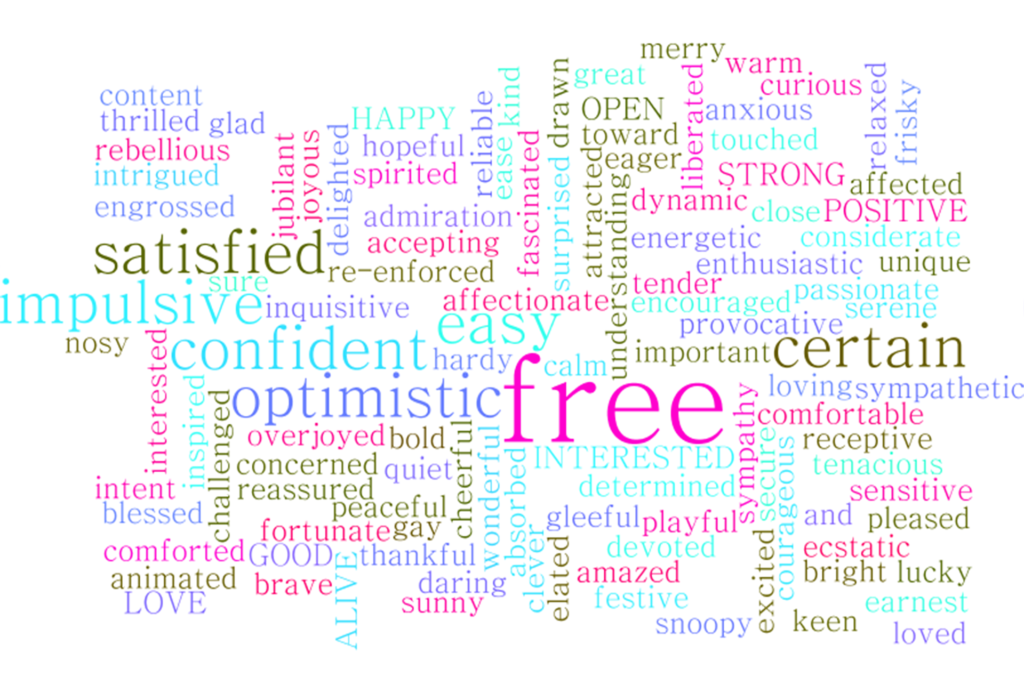
Types of Adjectives to Describe Someone
Adjectives are versatile tools that can describe people in many ways. Depending on the context, they can reflect personality, physical appearance, emotions, skills, and social behavior. Understanding the different types helps writers, speakers, and communicators choose the right words to convey accurate and vivid descriptions.
A. Personality Traits
Personality adjectives describe how a person behaves, thinks, or interacts with the world. They help others understand someone’s character beyond surface-level observations.
- Positive Personality Adjectives: These highlight admirable qualities and traits:
- Kind – someone who is considerate and caring
- Honest – a person who always tells the truth
- Brave – someone who faces challenges without fear
- Cheerful – a person who spreads positivity and joy
- Generous – willing to share and help others
- Negative Personality Adjectives: These describe less desirable traits or behaviors:
- Rude – someone who is disrespectful or impolite
- Selfish – someone who cares only about their own interests.
- Stubborn – unwilling to change opinions or behavior
- Jealous – envious of others’ achievements or possessions
- Lazy – avoiding work or effort
B. Physical Appearance
Physical adjectives help paint a visual picture of someone, allowing others to imagine their looks clearly.
- Height & Build: tall, short, slim, muscular, chubby
- Facial Features: attractive, handsome, pretty, round-faced, sharp-eyed
- Style & Presentation: elegant, stylish, well-groomed, casual, neat
C. Emotions & Feelings
Adjectives can describe someone’s mood, emotions, or mental state at a given moment.
- Positive Emotions: happy, excited, calm, optimistic, confident
- Negative Emotions: anxious, nervous, frustrated, sad, angry
D. Skills & Abilities
Some adjectives describe what a person is capable of or talented at. These are especially useful in professional or academic contexts.
- Intelligent, clever, creative, hardworking, skillful, innovative
E. Social Behavior
Social adjectives describe how a person interacts with others, including communication style, teamwork, and social confidence.
- Outgoing, shy, talkative, polite, respectful, cooperative
How to Use Adjectives Effectively
Adjectives are powerful tools in writing and communication, but their impact depends on how effectively they are used. Using adjectives thoughtfully can make your descriptions vivid, precise, and engaging, while careless use can make writing confusing, repetitive, or exaggerated. Below are key strategies for using adjectives effectively:
A. Be Specific
- Vague adjectives fail to give a clear picture. Instead of using general terms like “good” or “bad,” choose adjectives that precisely convey the quality or trait you want to describe.
- Weak: “She is nice.”
- Strong & Specific: “She is compassionate, thoughtful, and cheerful.”
- Specific adjectives help the reader or listener form a clear and memorable impression of a person.
B. Match Adjectives to Context
- Not every adjective suits every situation. The context in which you describe someone determines the type of adjective to use.
- Appearance: Use adjectives like “tall,” “slim,” or “stylish.”
- Personality: Use adjectives like “ambitious,” “honest,” or “stubborn.”
- Emotions: Use adjectives like “anxious,” “joyful,” or “determined.”
- Using context-appropriate adjectives makes your descriptions logical and relatable.
C. Avoid Overloading
- While adjectives enhance descriptions, using too many can overwhelm the reader and make writing awkward. Focus on the most relevant traits.
- Balanced: “She is tall, elegant, and cheerful.”
- Selecting 2–3 adjectives for a description usually works best, providing clarity without clutter.
D. Use Combinations for Richer Descriptions
- Combining adjectives can create a more nuanced image of someone, especially when you mix different types—such as personality with appearance, or emotion with skill.
- Combinations help convey a complete picture without needing long explanations.
E. Consider Positive and Negative Balance
- Descriptions can be more realistic and relatable if they include both strengths and weaknesses. Overly positive or negative descriptions may seem exaggerated or unrealistic.
- Unbalanced: “He is perfect in every way.”
- Including both sides gives depth to characters or individuals you describe.
F. Show, Don’t Just Tell
- Whenever possible, use adjectives alongside examples or actions that illustrate the trait. This makes descriptions more vivid and believable.
- Telling: “She is brave.”
- This method allows readers to experience the person’s qualities rather than just reading about them.
Describing People in Different Contexts
Describing someone is not a one-size-fits-all task. The choice of adjectives often depends on the context—whether you are talking about friends, family, colleagues, or fictional characters. Understanding the context ensures your descriptions are relevant, accurate, and effective.
A. Describing Friends and Family
When describing people close to you, adjectives often focus on personality traits, emotions, and habits. These descriptions are usually personal, warm, and detailed.
Here, adjectives reflect familiarity and emotional connection, highlighting qualities you admire or find endearing.
B. Describing Colleagues or Bosses
In professional contexts, adjectives usually highlight skills, behavior, and work-related traits. Positive adjectives can build respect and appreciation, while negative ones may be used carefully in constructive criticism.
Professional descriptions should balance honesty with respect and maintain a neutral, objective tone when needed.
C. Describing Characters in Stories
Writers use adjectives to bring fictional characters to life, making them vivid and relatable for readers. Both personality and physical appearance are commonly described.
Using adjectives in storytelling creates imagery, evokes emotions, and helps readers connect with the characters.
D. Describing Celebrities or Public Figures
When describing public figures, adjectives often focus on appearance, charisma, skills, or public behavior. These descriptions are usually concise but impactful.
Choosing precise adjectives allows audiences to understand the person’s public persona and traits effectively.
E. Tips for Context-Specific Descriptions
- Adjust the tone: Friendly and informal for family/friends, professional for colleagues, vivid and creative for storytelling.
- Focus on relevant traits: Highlight personality for friends, skills for colleagues, appearance and charisma for celebrities.
- Balance positivity and negativity: Maintain realism without exaggeration.
Adjective Combinations and Phrases
Using single adjectives is effective, but combining them or placing them in phrases can create richer, more vivid descriptions. This technique allows you to convey multiple traits at once, give depth to a character, and make your writing or speech more engaging.
A. Combining Adjectives
When you combine adjectives, you can describe different aspects of a person simultaneously. Typically, combinations mix traits like personality, appearance, or emotions.
Tips for Combining Adjectives:
- Order matters: Usually, size → shape → age → color → origin → material → purpose → opinion.
- Avoid redundancy: Don’t use adjectives that mean the same thing (happy and cheerful can be fine; large and huge is repetitive).
- Use 2–4 adjectives for clarity; more can overwhelm the reader.
B. Using Adjectives with Nouns
Adjectives often work best when paired with nouns, creating descriptive phrases.
This method emphasizes specific qualities while keeping descriptions concise and precise.
C. Using Hyphenated Adjective Phrases
Sometimes, two or more words combine to form a single descriptive phrase before a noun, usually with a hyphen.
Hyphenated phrases are especially useful in formal writing or professional contexts.
D. Adjective Pairs for Emphasis
Certain adjectives naturally pair together to enhance descriptions. These pairs often convey stronger meaning or create a memorable image.
These combinations help convey multiple facets of a person’s character in a compact, expressive way.
E. Showing Contrasts
Sometimes, combining adjectives can highlight contrasting traits, making descriptions more realistic and interesting.

Positive vs Negative Adjectives
Adjectives can convey both positive and negative qualities of a person. Understanding the distinction between these types helps create accurate, balanced, and engaging descriptions. Using positive adjectives can inspire admiration, while negative adjectives can highlight challenges, flaws, or obstacles.
A. Positive Adjectives
- Positive adjectives describe qualities that are generally admired, respected, or appreciated. They make the person being described appear likable, competent, or admirable.
- Personality Traits: kind, generous, honest, cheerful, courageous
- Skills & Abilities: intelligent, creative, talented, hardworking, innovative
- Social Traits: polite, friendly, cooperative, outgoing, empathetic
B. Negative Adjectives
- Negative adjectives describe traits or behaviors that may be undesirable, unhelpful, or problematic. While they should be used carefully, they are important for realistic descriptions or constructive criticism.
- Personality Traits: rude, selfish, stubborn, jealous, impatient
- Behavioral Traits: lazy, careless, dishonest, aggressive, moody
- Social Traits: shy (in extreme context), unfriendly, uncooperative
C. Balancing Positive and Negative Adjectives
- In many contexts, a balanced description is the most effective, as it provides a realistic portrayal of someone. People are rarely all good or all bad, and combining positive and negative adjectives creates more relatable and nuanced descriptions.
D. Tips for Using Positive and Negative Adjectives
- Use positive adjectives to emphasize strengths or achievements.
- Use negative adjectives carefully, preferably with context or examples.
- Combine both to create balanced, relatable descriptions.
- Avoid exaggeration; stay truthful to make descriptions credible.
Common Mistakes When Using Adjectives
Adjectives are powerful, but misusing them can weaken descriptions, confuse readers, or make writing seem unprofessional. Understanding common mistakes helps you use adjectives more effectively and craft precise, engaging descriptions.
A. Using Vague or General Adjectives
Vague adjectives like “good,” “bad,” “nice,” or “interesting” fail to convey a clear image. They don’t tell the reader much about the person’s true qualities.
- Weak Example: “She is nice.”
Tip: Always choose adjectives that are specific and descriptive to create a vivid picture.
B. Overloading Adjectives
Tip: Limit your adjectives to 2–4 per description for clarity and impact.
C. Using Contradictory Adjectives Without Explanation
Sometimes, adjectives may seem contradictory, which can confuse the reader if not properly explained.
- Incorrect: “He is lazy but hardworking.”
- when it comes to important tasks but can be lazy with minor chores.”
Tip: If combining contrasting adjectives, clarify the context to avoid confusion.
D. Overgeneralizing
Overgeneralization makes descriptions unrealistic and unconvincing. Avoid making general statements such as “He is flawless” or “She is constantly happy.”
- Weak: “He is perfect.”
Tip: Use adjectives that reflect realistic, specific traits rather than exaggerated claims.
E. Ignoring Context
Choosing adjectives without considering the context can make descriptions inappropriate or misleading.
F. Repetitive Adjectives
Repeating adjectives unnecessarily weakens your writing.
- Improved: “She is intelligent, creative, and resourceful.”
Tip: Choose adjectives that complement each other rather than repeat the same idea.
1Advanced Tips for Writers
Once you understand the basics of using adjectives, you can take your descriptions to the next level. Advanced techniques help make your writing more vivid, nuanced, and engaging. These strategies are especially useful for storytelling, creative writing, and professional communication.
A. Use Metaphors and Similes with Adjectives
Instead of describing someone literally, metaphors and similes create imagery and emotion, making descriptions more memorable.
These techniques enhance the impact of adjectives by connecting traits to vivid images.
B. Show, Don’t Just Tell
Rather than only naming traits, show them through actions or behaviors. This makes descriptions feel real and relatable.
- Telling: “She is brave.”
Showing allows readers to experience the person’s qualities rather than just reading a list of adjectives.
C. Use Adjectives to Convey Emotion and Mood
Adjectives can reflect not only a person’s traits but also the emotional atmosphere surrounding them.
Emotionally charged adjectives make writing more immersive and engaging.
D. Mix Different Types of Adjectives
Combining adjectives from different categories—appearance, personality, skills, emotions—creates a complete, layered description.
This approach gives readers a holistic view of the person, rather than a one-dimensional portrayal.
E. Use Contrasting Adjectives for Depth
Contrasting adjectives show complexity and make characters or individuals more relatable.
Contrasts make descriptions realistic and nuanced, avoiding overly simplistic portrayals.
F. Avoid Clichés for Originality
Common or overused adjectives (“nice,” “beautiful,” “perfect”) can make writing predictable. Using fresh, precise adjectives creates a unique voice.
- Cliché: “She is nice.”
Unique adjectives leave a stronger impression and enhance the reader’s engagement.
G. Revise and Refine Adjective Use
Always review your writing to ensure adjectives are effective, relevant, and varied. Remove redundancies, adjust for tone, and make sure each adjective adds value.
Fun Activities or Exercises to Practice Using Adjectives
Practicing adjectives can be enjoyable and highly effective in improving descriptive writing and communication. These activities help you expand your vocabulary, use adjectives accurately, and make descriptions more vivid and engaging.
A. Adjective Brainstorming
Pick a person—friend, family member, or even a celebrity—and try to describe them using as many adjectives as possible. Focus on different aspects: personality, appearance, skills, and emotions.
B. Character Sketch Exercise
Create a short paragraph describing a character using at least 5–7 adjectives. Include a mix of personality traits, physical appearance, and emotions.
C. Adjective Pairing Game
Choose two contrasting adjectives and write sentences that combine them to describe someone. This helps practice nuanced and realistic descriptions.
D. Emotion Matching Exercise
Write down a list of emotions and try to pair each with adjectives that best represent how a person feels.
E. Storytelling Challenge
Write a short story or paragraph about a person, ensuring you use at least 10 adjectives. Focus on creating a vivid image through description rather than simply telling.
F. Adjective Substitution Exercise
Take a paragraph with basic adjectives and replace them with more specific or interesting ones.
- Before: “She is nice and smart.”
This develops vocabulary and encourages precision in choosing adjectives.
Conclusion
Adjectives to Describe Someone are more than just descriptive words—they are essential tools that bring people to life in writing and conversation. Whether describing personality, appearance, skills, emotions, or social behavior, Adjectives to Describe Someone allow us to convey vivid, precise, and memorable impressions.
Throughout this guide, we have explored:
- Different types of adjectives, from personality traits and physical appearance to emotions and abilities.
- Techniques for using Adjectives to Describe Someone effectively, including specificity, context, combinations, and balancing positive and negative traits.
- Contextual descriptions, showing how Adjectives to Describe Someone vary depending on whether you are talking about friends, family, colleagues, characters, or public figures.
- Advanced strategies, such as using metaphors, showing rather than telling, and avoiding clichés to create engaging, nuanced descriptions.
- Practical exercises to strengthen your skills and expand your vocabulary.
By mastering adjectives, writers and speakers can transform simple statements into vivid narratives, convey complex personalities, and evoke emotions in readers or listeners. Adjectives to Describe Someone allow communication to go beyond mere facts, adding color, depth, and meaning.
Final Thought:
The key to using Adjectives to Describe Someone effectively is to be thoughtful and precise. Choose words that reflect reality, match the context, and bring clarity to your description. With practice and attention to detail, Adjectives to Describe Someone can elevate your writing, enrich your storytelling, and make your communication more impactful and engaging.
FAQs
1. What are Adjectives to Describe Someone?
Adjectives to Describe Someone are terms that add detail to nouns by describing their qualities or characteristics related to a person, place, object, or concept. When describing someone, Adjectives to Describe Someone provide details about their personality, appearance, emotions, skills, and behavior.
2. Why are Adjectives to Describe Someone important when describing people?
Adjectives to Describe Someone make descriptions vivid and precise. They help the reader or listener form a clear image of the person being described. Without adjectives, descriptions can be vague, dull, or incomplete.
3. What types of Adjectives to Describe Someone can be used to describe someone?
Adjectives to Describe Someone can describe:
- Personality traits: kind, brave, selfish
- Physical appearance: tall, slim, elegant
- Emotions and feelings: happy, anxious, cheerful
- Skills and abilities: talented, creative, hardworking
- Social behavior: polite, outgoing, cooperative
4. How do I choose the right adjectives?
Choose Adjectives to Describe Someone that are:
- Specific – instead of “good,” use “compassionate” or “thoughtful.”
- Context-appropriate – personality Adjectives to Describe Someone for character, appearance Adjectives to Describe Someone for looks.
- Balanced – include positive and negative traits if necessary.
- Non-redundant – avoid repeating similar adjectives.
5. Can I use more than one adjective to describe someone?
Yes! Combining Adjectives to Describe Someone is effective when done thoughtfully. Use two to four Adjectives to Describe Someone together, combining various categories such as looks, character, abilities, and feelings to create a complete description.
6. How do I describe someone realistically?
Balance positive and negative Adjectives to Describe Someone and provide context or examples. Avoid overgeneralization and exaggeration.
7. Can Adjectives to Describe Someone be used in storytelling?
Absolutely! Adjectives to Describe Someone bring characters to life by describing their appearance, personality, emotions, and actions. Using metaphors, similes, and adjective combinations makes stories more engaging.
8. What are some common mistakes when using adjectives?
- Using vague words like “nice” or “good.”
- Overloading sentences with too many adjectives.
- Using contradictory Adjectives to Describe Someone without context.
- Overgeneralizing or exaggerating traits.
- Ignoring context or audience.
9. How can I practice using Adjectives to Describe Someone effectively?
- Brainstorm Adjectives to Describe Someone for people you know.
- Write character sketches using multiple adjectives.
- Play adjective pairing games with contrasting traits.
- Match Adjectives to Describe Someone to emotions to describe moods.
- Revise and refine sentences by replacing weak Adjectives to Describe Someone with precise ones.
10. Can Adjectives to Describe Someone describe emotions as well as personality and appearance?
Yes! Adjectives to Describe Someone are versatile and can describe how someone feels at a particular moment, adding depth and realism to descriptions.