Introduction
Prosciutto di Parma is widely regarded as one of the finest examples of traditional Italian cured meats, admired around the world for its exceptional quality and refined taste. This dry-cured ham originates exclusively from the Parma region in northern Italy, an area whose geography, climate, and long-standing craftsmanship contribute directly to the product’s unique characteristics. Unlike many modern processed meats, Prosciutto di Parma is produced using time-honored methods that rely on patience, skill, and natural conditions rather than artificial additives.
At its core, Prosciutto di Parma is made from carefully selected pork legs that undergo a slow curing process using only sea salt and fresh air. The absence of preservatives or chemical enhancers allows the natural flavor of the meat to develop gradually over time. This results in a ham that is delicately savory, subtly sweet, and remarkably balanced, with a texture that becomes tender and silky as it matures. Each slice reflects the harmony between nature and human expertise.
What truly elevates Prosciutto di Parma beyond an ordinary cured ham is the strict regulatory framework that governs its production. From the origin of the pigs to the aging process and final inspection, every step must meet precise standards set by the Consorzio del Prosciutto di Parma. These regulations ensure authenticity, consistency, and protection against imitation, preserving the integrity of the product for future generations.
Beyond its culinary appeal, Prosciutto di Parma represents centuries of Italian food heritage. Its production techniques have been passed down through generations, embodying a cultural philosophy that values quality over speed and tradition over mass production. As both a staple of Italian cuisine and a symbol of artisanal excellence, Prosciutto di Parma stands as a testament to Italy’s deep respect for craftsmanship, regional identity, and gastronomic tradition.
Historical Background
The origins of Prosciutto di Parma can be traced back more than two millennia to ancient Roman civilization, where the practice of preserving meat through salting was already well established. Roman writers such as Cato the Elder and Pliny the Elder documented methods of curing pork legs with salt, highlighting the importance of preservation techniques in an era without refrigeration. These early methods laid the foundation for what would eventually evolve into Prosciutto di Parma.
During Roman times, the area surrounding modern-day Parma was particularly well suited for meat curing due to its favorable climate. Cool breezes descending from the Apennine Mountains and a balanced level of humidity created ideal conditions for drying and aging pork. As Roman knowledge spread and local farmers refined these practices, curing techniques became increasingly precise, emphasizing flavor development rather than simple preservation.
Throughout the Middle Ages, the tradition of ham production in Parma continued to advance. Monasteries and rural communities played a crucial role in safeguarding and improving curing methods, passing down specialized knowledge from generation to generation. Hams produced in the region gained a reputation for quality, often appearing at banquets and being traded as valuable goods. By this time, the curing process had become deeply embedded in the local economy and culture.
In the Renaissance and early modern periods, Prosciutto di Parma further evolved as standards became more defined. Producers learned how to balance salting, resting, and long aging periods to achieve a delicate flavor and tender texture. By the 19th and 20th centuries, growing demand led to the formal organization of producers, ultimately resulting in legal protections and quality controls. Today’s Prosciutto di Parma is the product of this long historical journey—an enduring example of how ancient traditions, shaped by time and place, can survive and thrive in the modern world.
Geographic Origin and Importance of Parma
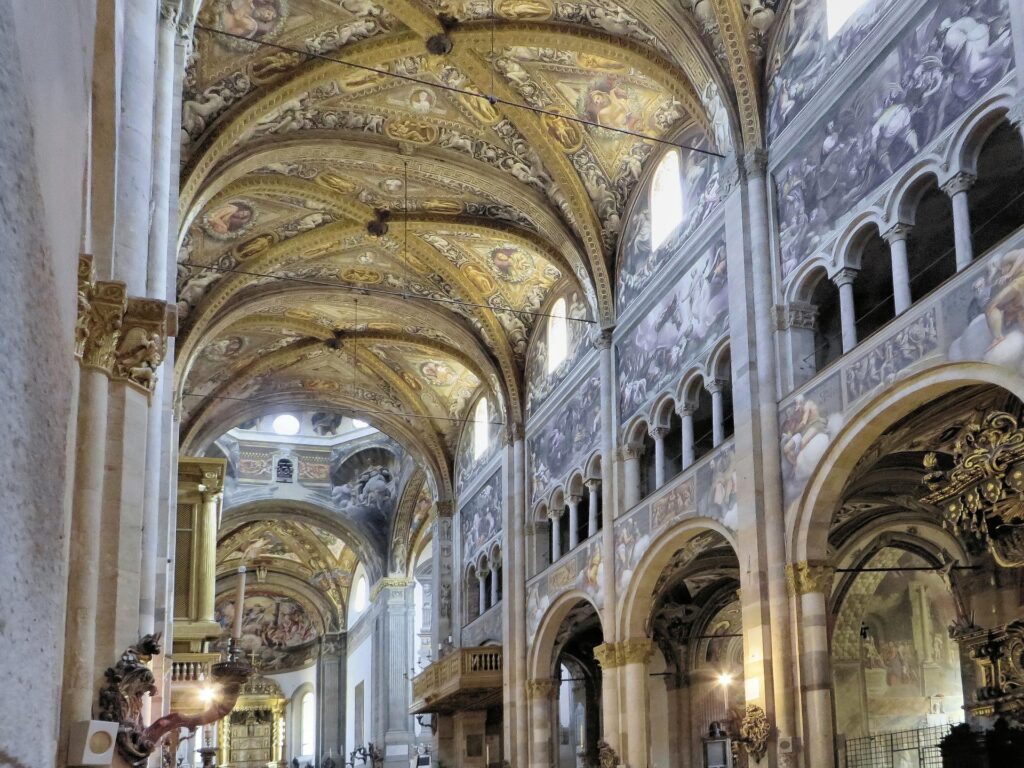
Prosciutto di Parma is inseparably linked to its place of origin, as it can only be produced within a carefully defined geographic area in northern Italy, primarily in the province of Parma in the Emilia-Romagna region. This restriction is not merely symbolic; it is essential to the quality and identity of the product. The natural environment of Parma provides conditions that cannot be easily replicated elsewhere, making the location a crucial factor in the ham’s distinctive character.
One of the most important elements of this region is its unique climate. Cool, dry breezes flow down from the Apennine Mountains and circulate through the curing facilities, creating an ideal balance of temperature and humidity. These gentle air currents allow the hams to dry slowly and evenly, preventing spoilage while encouraging the gradual development of aroma and flavor. The clean mountain air acts as a natural regulator during the long aging process.
In addition to climate, the cultural and agricultural traditions of Parma play a vital role. The region has a long history of artisanal food production, including famous products such as Parmigiano Reggiano cheese. This shared heritage has fostered generations of skilled producers who understand how to work in harmony with local conditions. The geographic identity of Parma is therefore not only environmental but also human, shaped by centuries of expertise and craftsmanship.
What Makes Prosciutto di Parma Unique
Prosciutto di Parma stands apart from other cured meats due to its remarkable simplicity and uncompromising standards. It is produced using only two ingredients: carefully selected pork and sea salt. The complete absence of preservatives, nitrates, additives, or artificial flavorings allows the natural qualities of the meat to shine through. This minimalist approach reflects a deep respect for tradition and natural processes.
The uniqueness of Prosciutto di Parma is further reinforced by strict production regulations that govern every stage of its creation. From the origin and diet of the pigs to the length of curing and aging, each detail is carefully controlled. These standards ensure consistency, authenticity, and exceptional quality across all certified products.
Another distinguishing feature is the slow, natural aging process. Instead of relying on chemical acceleration, producers allow time and air to shape the ham’s flavor and texture. Over months and even years, enzymes naturally break down proteins and fats, resulting in a ham that is tender, aromatic, and delicately balanced in taste.
Together, these factors—limited ingredients, precise regulations, and patient craftsmanship—make Prosciutto di Parma a true expression of artisanal excellence. Its uniqueness lies not in complexity, but in the mastery of simplicity, where nature and tradition work together to create a product of enduring global reputation.
Selection of Pigs
The quality of Prosciutto di Parma begins long before the curing process, starting with the careful selection of pigs. Only specially bred pigs from approved regions of Italy are permitted, ensuring consistency in meat quality and fat distribution. These regions are chosen for their adherence to strict animal husbandry standards, which prioritize health, welfare, and traceability.
The pigs are raised under controlled conditions and fed a carefully regulated diet designed to enhance the flavor and texture of the meat. A distinctive feature of this diet is the inclusion of whey, a by-product of Parmigiano Reggiano cheese production. This nutrient-rich whey contributes to the development of well-marbled meat and imparts a subtle sweetness, both of which are essential for successful long-term curing.
Equally important is the age and weight of the pigs at the time of processing. Only mature pigs with adequately developed muscles and fat layers are selected. The presence of sufficient fat is critical, as it protects the meat during aging, prevents excessive drying, and contributes to the smooth, melt-in-the-mouth texture that defines Prosciutto di Parma. This rigorous selection process ensures that only pork capable of withstanding long curing periods is used.
Traditional Production Process
The production of Prosciutto di Parma follows a traditional, carefully regulated process that has remained largely unchanged for centuries. Each step is precisely timed and closely monitored to preserve quality, safety, and authenticity.
The process begins with trimming the pork leg, during which excess fat and skin are carefully removed to achieve the correct shape and balance. This step is essential for ensuring even salting and drying. Salt acts as a natural preservative while drawing out moisture and enhancing flavor without overpowering the meat.
After salting, the ham enters a resting and drying phase, where it is stored in cool conditions to allow the salt to penetrate evenly. The leg is then washed and dried again to remove excess salt and prepare it for long-term aging. This washing step is crucial in achieving the delicate balance of flavor that distinguishes Prosciutto di Parma from saltier cured hams.
The final and most important stage is the long aging period, which can last from 12 months to several years. During this time, the ham slowly matures in well-ventilated rooms, exposed to natural air currents. Throughout the process, experienced producers regularly inspect the hams to ensure they are developing correctly. This meticulous attention at every stage guarantees the consistency, safety, and exceptional quality for which Prosciutto di Parma is renowned.
The Curing and Aging Process
The curing and aging process is the heart of Prosciutto di Parma’s identity and quality. After the initial preparation stages, the ham is left to mature for a minimum of 12 months, as required by regulation. However, many producers choose to extend this period to 18, 24, or even 36 months to achieve greater depth and complexity of flavor. The length of aging directly influences the aroma, texture, and overall character of the final product.
During aging, the hams are stored in specially designed curing rooms with natural ventilation. The controlled exposure to fresh air allows moisture to evaporate slowly while encouraging natural enzymatic activity within the meat. These enzymes break down proteins and fats over time, transforming the dense pork leg into a tender, flavorful delicacy. This gradual process cannot be rushed, as time is essential for achieving the ham’s signature refinement.
Quality control plays a crucial role throughout aging. Expert inspectors regularly examine the hams to ensure they are developing correctly. One of the most distinctive methods used is aroma testing with a horse-bone needle. This porous needle absorbs the scent of the meat when inserted, allowing inspectors to detect any irregularities. Only hams that pass these rigorous inspections are approved for final certification, ensuring consistent excellence.
Flavor Profile and Texture
Prosciutto di Parma is celebrated for its elegant and balanced flavor profile. It is mildly salty, with a gentle sweetness that develops naturally during aging, complemented by a rich savory depth. Unlike heavily seasoned cured meats, its taste is subtle and refined, allowing the natural character of the pork to remain at the forefront.
The texture of Prosciutto di Parma is equally distinctive. Fine marbling of fat runs throughout the meat, giving it a smooth, silky quality. When sliced thinly, the ham appears almost translucent and melts in the mouth, releasing layers of flavor without any chewiness or dryness. The fat plays a vital role, softening the meat and enhancing its aroma.
This careful balance of salt, sweetness, and natural pork flavor makes Prosciutto di Parma versatile and sophisticated. It enhances dishes without overwhelming them and can be enjoyed on its own just as easily as when paired with fruits, cheeses, or bread. The harmony between flavor and texture is what makes Prosciutto di Parma a benchmark for excellence among dry-cured hams.
PDO Certification and Quality Control
Prosciutto di Parma is safeguarded by PDO (Protected Designation of Origin) status, a prestigious certification granted by the European Union to protect products that are deeply connected to a specific geographic area and traditional method of production. This designation ensures that every stage of production—from sourcing the pork to curing and aging—takes place within the authorized region and follows established regulations.
One of the most recognizable symbols of authenticity is the Ducal Crown mark burned onto each approved ham. This crown, inspired by the historical coat of arms of Parma, serves as a guarantee that the product has passed rigorous inspections. Only hams that meet all quality standards in terms of aroma, texture, appearance, and flavor are allowed to carry this mark.
Quality control is enforced by the Consorzio del Prosciutto di Parma, an organization responsible for overseeing production and protecting the reputation of the product worldwide. Inspectors monitor every phase, including raw material selection, curing conditions, and aging duration. Hams that fail to meet the strict criteria are rejected and cannot be sold as Prosciutto di Parma.
This certification system benefits both consumers and producers. Consumers gain confidence in the authenticity and quality of what they are purchasing, while traditional producers are protected from imitation and unfair competition. PDO status ensures that Prosciutto di Parma remains a genuine expression of regional heritage and artisanal excellence.
Nutritional Value
Prosciutto di Parma offers notable nutritional benefits when enjoyed as part of a balanced diet. It is an excellent source of high-quality protein, which is essential for muscle development, tissue repair, and overall body function. The protein found in Prosciutto di Parma is highly digestible due to the natural aging process, making it easier for the body to absorb.
In addition to protein, Prosciutto di Parma provides important B-group vitamins, particularly vitamin B6 and vitamin B12. These vitamins play key roles in energy metabolism, red blood cell formation, and proper nervous system function. The ham also contains essential minerals such as iron and zinc, which support immune health and oxygen transport in the body.
A significant nutritional advantage is that Prosciutto di Parma is naturally gluten-free and contains no added nitrates, nitrites, or preservatives. Its production relies solely on sea salt and time, making it a cleaner option compared to many heavily processed meats. While it does contain sodium, moderate consumption allows individuals to enjoy its nutritional benefits without excessive intake.
Culinary Uses
Prosciutto di Parma is highly valued in the culinary world for its versatility and refined flavor, making it suitable for both simple preparations and sophisticated dishes. One of its most traditional uses is serving it thinly sliced as an appetizer, often arranged elegantly on a platter. When sliced paper-thin, its delicate aroma and smooth texture are fully appreciated, allowing it to be enjoyed on its own or with crusty bread.
A classic pairing is Prosciutto di Parma with melon or figs, where the natural sweetness of the fruit contrasts beautifully with the mild saltiness of the ham. This combination is a staple in Italian cuisine, particularly during warmer months, and highlights the balance that defines Prosciutto di Parma’s flavor profile.
In cooked dishes, Prosciutto di Parma adds depth without overwhelming other ingredients. It is frequently added to pasta and risotto, where it enhances sauces with a subtle savory richness. Lightly sautéed or stirred in at the final stages of cooking, it releases its aroma while maintaining its delicate character.
Prosciutto di Parma is also commonly wrapped around vegetables or meats, such as asparagus, zucchini, chicken, or veal. In these preparations, it provides a gentle seasoning and helps retain moisture during cooking. Additionally, it is widely used on pizzas and gourmet sandwiches, where its refined taste complements cheeses, greens, and sauces without overpowering them. Its versatility lies in its ability to elevate dishes while preserving balance and elegance.
How to Serve and Store
Proper serving and storage are essential to fully enjoy the qualities of Prosciutto di Parma. For optimal flavor and aroma, it should be served at room temperature. Removing it from the refrigerator 15 to 20 minutes before serving allows the fat to soften, enhancing both taste and texture.
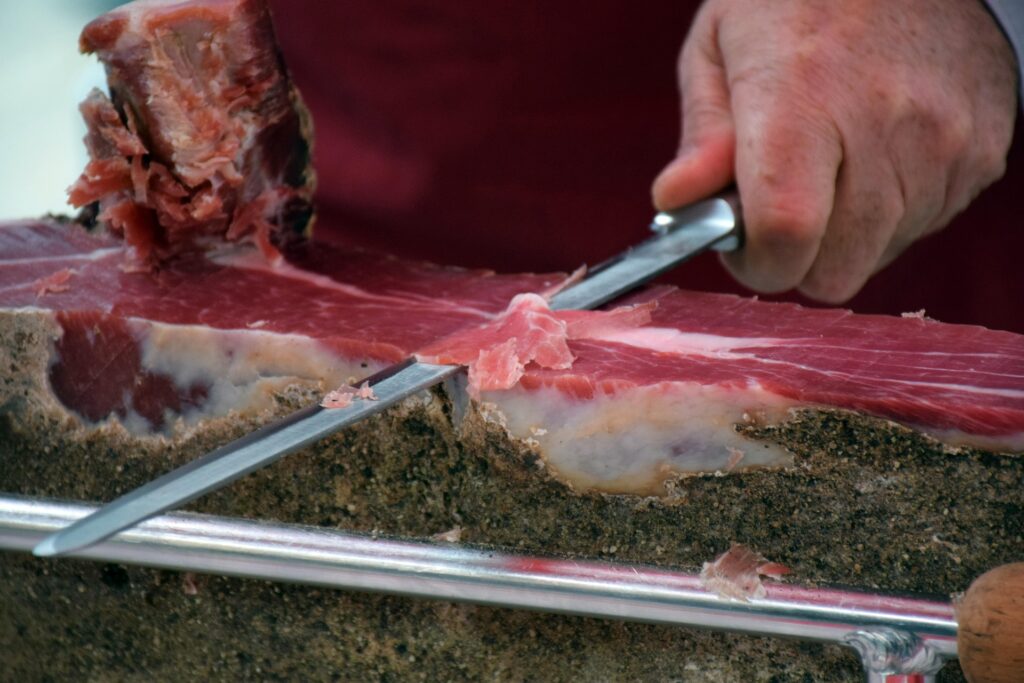
Slicing is equally important. Prosciutto di Parma should be cut paper-thin, either with a sharp knife or a professional slicer. Thin slices ensure tenderness and allow the ham to melt in the mouth, releasing its full aromatic complexity. Thick slices can mask its delicate nuances and alter the intended eating experience.
When it comes to storage, care must be taken to preserve freshness. Once sliced, Prosciutto di Parma should be wrapped in parchment paper or wax paper, which allows it to breathe while preventing excess moisture. It should then be stored in the refrigerator and consumed within a few days to maintain optimal quality. Avoid airtight plastic wrapping, as it can trap moisture and negatively affect flavor. Proper handling ensures that the ham retains its authenticity, aroma, and refined taste.
Cultural Significance in Italy
In Italy, Prosciutto di Parma is much more than a food item; it is a symbol of heritage, craftsmanship, and culinary pride. It is deeply woven into daily life and traditional celebrations, reflecting centuries of artisanal expertise. At family gatherings, festivals, weddings, and holiday feasts, Prosciutto di Parma is often served as a centerpiece, highlighting the host’s attention to quality and tradition.
The ham also embodies Italian values such as patience, respect for nature, and dedication to craft. Its long, careful curing process is a testament to the belief that good things take time, and that the environment—air, temperature, and natural resources—must be honored rather than manipulated. By consuming Prosciutto di Parma, Italians celebrate not only flavor but also a connection to their land, culture, and history.
Beyond private homes, Prosciutto di Parma has become an icon of Italian cuisine worldwide, often appearing in fine dining establishments, gourmet markets, and international food festivals. Its cultural significance lies in its ability to represent Italian excellence in both tradition and taste, making it a proud ambassador of regional identity.
Prosciutto di Parma vs Other Prosciuttos
While many varieties of prosciutto exist, Prosciutto di Parma stands out due to its delicate flavor, tender texture, and strict production standards. Compared to other Italian prosciuttos, such as Prosciutto di San Daniele, or Spanish hams like Jamón Ibérico, Prosciutto di Parma is typically less salty and more subtly sweet, making it milder and more approachable for a wide range of palates.
Several factors contribute to these differences. The unique climate of Parma, with its cool Apennine breezes and dry mountain air, allows a slow, even curing process that enhances softness. Its strict production rules, including limited ingredients, precise salting, and controlled aging periods, ensure consistency and refinement. Additionally, the long aging process allows natural enzymatic activity to develop complex flavors without excessive saltiness, resulting in a well-balanced taste and melt-in-the-mouth texture.
In contrast, other prosciuttos may use different pig breeds, diets, or curing techniques, leading to variations in salt levels, sweetness, and firmness. While each variety has its own unique appeal, Prosciutto di Parma is distinguished by its harmony, elegance, and the subtle interplay of flavor and texture that has earned it international acclaim.
Conclusion
Prosciutto di Parma represents a timeless symbol of culinary mastery and Italian tradition. From the careful selection of pigs to the centuries-old curing and aging methods, every aspect of its production reflects dedication, skill, and respect for natural processes. Its simple ingredients—pork and sea salt—combined with rigorous quality controls, result in a product of unmatched elegance and refinement.
Beyond its exceptional flavor and texture, Prosciutto di Parma serves as a living lesson in history, culture, and artisanal craftsmanship. It demonstrates how patience, tradition, and regional expertise can transform simple ingredients into a globally celebrated delicacy. For food lovers, chefs, and students of gastronomy, it provides a tangible connection to Italy’s rich culinary heritage and the enduring value of artisanal excellence.
FAQs
1. What is Prosciutto di Parma?
Prosciutto di Parma is a dry-cured ham originating from the Parma area in northern Italy. Made only from pork and sea salt, it is aged for a minimum of 12 months and is known for its delicate flavor, tender texture, and natural aroma.
2. How is Prosciutto di Parma different from other types of prosciutto?
It is milder and less salty than many other prosciuttos, such as Prosciutto di San Daniele or Spanish Jamón. Its flavor is refined due to the Parma region’s climate, strict production regulations, and slow aging process.
3. What does the Ducal Crown symbol mean?
The Ducal Crown is a PDO certification mark burned onto authentic Prosciutto di Parma hams. It guarantees that the ham has been produced according to strict European and Italian standards, ensuring authenticity and quality.
4. How long is Prosciutto di Parma aged?
It undergoes aging for at least 12 months. Premium varieties may be aged for 18, 24, or even 36 months, allowing the flavor and texture to develop fully.
5. Can Prosciutto di Parma be eaten raw?
Yes. It is fully cured and safe to eat without cooking. It is commonly served thinly sliced at room temperature to enhance its aroma and melt-in-the-mouth texture.
6. What is the ideal way to store Prosciutto di Parma?
If unopened, it should be stored in a cool, dry location. Once sliced, it should be wrapped in parchment paper and stored in the refrigerator. Consume within a few days for optimal flavor.
7. Is Prosciutto di Parma healthy?
When eaten in moderation, yes. It is rich in high-quality protein, contains essential vitamins such as B6 and B12, and has no added preservatives or nitrates. It is naturally gluten-free.
8. What is the role of the pigs’ diet in Prosciutto di Parma?
Only specially bred pigs from approved regions are used. Their diet, which often includes whey from Parmigiano Reggiano cheese production, contributes to the meat’s sweetness, marbling, and overall quality, essential for long curing.
9. How should Prosciutto di Parma be served?
It should be served thinly sliced and at room temperature to fully release its flavor and aroma. It pairs well with fruits like melon or figs, cheeses, bread, and in pasta, risotto, or gourmet dishes.
10. Can Prosciutto di Parma be cooked?
Yes, although it is often enjoyed raw. It can also be lightly cooked or wrapped around vegetables, chicken, or other meats to enhance flavor while retaining its delicate texture.
11. What makes Parma the perfect region for producing this ham?
The province of Parma offers a unique combination of climate, fresh mountain air, and artisanal traditions. Cool Apennine breezes and controlled humidity allow slow, natural curing that develops the ham’s signature aroma and texture.
12. Is Prosciutto di Parma suitable for international cuisine?
Absolutely. Its versatility makes it ideal for both traditional Italian dishes and global culinary applications, including sandwiches, salads, pizzas, pasta, and fusion recipes.