

Introduction
Spring 2025, often referred to as “springtime,” is one of the four temperate seasons of the year, occupying the transitional period between the cold, often harsh days of winter and the warmth and brightness of summer. It is a season that symbolizes change and renewal, both in the natural world and in human life. As the days gradually become longer and temperatures begin to rise, the environment awakens from the dormancy imposed by winter.
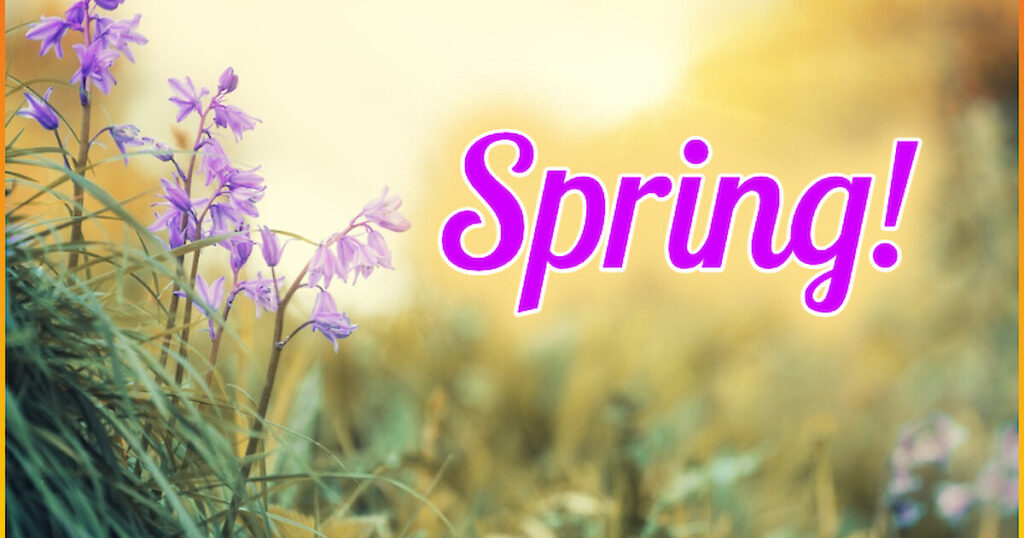
During spring, numerous natural processes come back to life. Dormant plants start growing again, trees develop new leaves, and flowers burst into bright colors, filling the landscape with renewed life and beauty. Wildlife activity intensifies: animals that hibernated during winter emerge, and migratory birds return from distant lands, filling the skies with movement and sound. This revival in nature is not only a visual spectacle but also an essential phase in ecological cycles, ensuring the continuity of life.
Culturally and socially, spring has long been associated with themes of rebirth, renewal, and growth. Across the world, societies celebrate festivals and rituals that honor the arrival of spring, marking it as a time of hope, new beginnings, and rejuvenation. From planting seasons in agriculture to traditional festivities in many cultures, spring is a season that resonates deeply with human experience, reflecting both the vitality of nature and the optimism of human spirit.
When is Spring 2025 — Dates & Definitions
The timing of spring depends largely on how we define the season, with two widely accepted perspectives: astronomical and meteorological. Each approach serves a different purpose and helps us understand spring from either a celestial or climatic viewpoint.
Astronomical Spring
Astronomical spring is defined by Earth’s position relative to the Sun. In the Northern Hemisphere — encompassing much of Asia, Europe, and North America — spring begins with the Vernal Equinox, the moment when day and night are approximately equal in length. For 2025, this occurs on Thursday, 20 March 2025. Astronomical spring then continues until the Summer Solstice, around 21 June 2025, when daylight reaches its peak, and the Earth transitions into summer. This definition emphasizes the natural rhythm of the Earth’s orbit and the tilt of its axis, highlighting the celestial markers that signal the changing seasons.
Meteorological Spring
Meteorological spring, on the other hand, is based on the annual temperature cycle and the calendar months, making it more practical for weather observation, agricultural planning, and climate statistics. Meteorologists define spring as the three-month period of March, April, and May. By this standard, spring 2025 runs from 1 March to 31 May 2025. This definition aligns with gradual increases in temperature and daylight, providing consistency for seasonal comparisons and forecasting.
Why Two Definitions?
- Astronomical Spring: Centers on Earth’s orbit and solar geometry. It marks key astronomical events — the equinox, when day and night are equal, and the solstice, when daylight is longest. This perspective connects the seasons directly to celestial phenomena.
- Meteorological Spring: Focuses on observable weather patterns and temperature trends. It allows for standardized record-keeping, easier comparison between years, and practical use in agriculture, meteorology, and climatology.
Understanding both definitions provides a comprehensive view of spring and highlights the ways humans have adapted their calendars and activities to the rhythms of nature. For Spring 2025, both approaches indicate a period of gradual warmth, longer daylight, and the natural renewal that defines this beloved season.

What Happens in Spring — Natural & Climatic Changes
Spring is a season defined by transformation, both in nature and in human life. As the sun climbs higher in the sky after the Vernal Equinox, daylight hours increase, and temperatures gradually rise. This increase in solar energy triggers a remarkable series of natural events. Snow and frost from winter begin to melt, replenishing rivers and soil moisture. Plants that had been dormant through the cold months awaken — trees sprout fresh leaves, shrubs flourish, and flowers bloom in vibrant colors, painting landscapes with renewed life. Animals that hibernated or reduced activity during winter emerge from their shelters, while migratory birds return from distant regions, bringing life and motion back to ecosystems.
This seasonal revival is not limited to natural landscapes; it has a direct influence on human activity. In agriculture, spring marks the planting season, as the warming soil and increased rainfall create ideal conditions for crops. Culturally, societies celebrate numerous festivals and traditions that honor renewal and growth, from harvest-related rituals to springtime holidays across the globe. Psychologically, the longer days and increased sunlight often enhance mood, energy, and overall well-being, making spring a season associated with hope and positivity.
Spring is also rich in symbolism, often representing rebirth, fresh starts, and renewal in literature, art, and social practices. This symbolic meaning resonates deeply with human experience, reflecting both the literal revival of nature and the emotional rejuvenation people often feel as winter fades.
For regions like Islamabad, Pakistan, spring brings noticeable changes in climate and vegetation. The city experiences milder temperatures, blooming gardens, and the return of green landscapes after the winter months. Local agriculture benefits as crops such as wheat near harvest and new seasonal crops are sown. Cultural events, outdoor activities, and social gatherings often increase during this time, making spring a season that is both ecologically and socially vibrant. Highlighting these local dynamics can make an article on Spring 2025 more relatable and engaging for readers.
Global Context — 2025’s Spring in Light of Climate & Weather Trends
While the arrival of spring follows a predictable seasonal cycle, the weather and environmental conditions during each spring vary due to broader global climate patterns. Spring 2025 is no exception, as it unfolds against a backdrop of complex interactions in the Earth’s climate system, which influence temperature, rainfall, and ecological dynamics across the world.
Global climate assessments for March–May 2025 reported a neutral phase of the El Niño–Southern Oscillation (ENSO). ENSO, a recurring climate pattern involving fluctuations in ocean temperatures in the central and eastern Pacific, can significantly impact weather worldwide. A neutral phase suggests the absence of strong El Niño or La Niña conditions, but even in neutral years, localized anomalies in temperature and precipitation can occur, creating unpredictable or unusual seasonal patterns.
These climate fluctuations can affect regions differently. Some areas may experience irregular rainfall or drought risk, while others may face shifts in typical seasonal cycles, such as monsoon onset in South Asia or delayed spring warming in temperate regions. Such variability highlights the importance of environmental awareness and adaptive strategies for agriculture, water management, and ecosystem conservation.
Spring remains a critical season for ecological and human activities, even amid climate variability. Globally, it is a time for planting, water replenishment, and ecosystem renewal. For countries like Pakistan, spring plays a pivotal role as a transitional period toward summer. Although the seasonal changes may not be as extreme as in temperate zones, spring influences crop cycles, harvest timing, temperature fluctuations, and agricultural planning. Monitoring these seasonal and climate patterns helps farmers, policymakers, and communities prepare for potential challenges and take advantage of favorable conditions.
In essence, Spring 2025 is not just a period of natural renewal, but also a season shaped by global climatic dynamics, reminding us of the interconnectedness of local weather patterns and broader environmental trends.
Why Write About Spring 2025 — Themes & Angles You Could Explore
Spring 2025 provides a rich opportunity to explore multiple themes that combine natural, cultural, and human perspectives, making your article engaging, informative, and locally relevant. Highlighting different angles allows readers to appreciate the season from both ecological and societal viewpoints.
Seasonal Transition & Human Experience
Spring represents a tangible shift from winter to summer, characterized by longer daylight hours, warmer temperatures, and renewed life in the environment. Writing about these changes allows you to explore how people experience the season—from the feeling of sunlight after long winter months to the psychological uplift associated with longer days. Spring is often linked to hope, fresh starts, and personal renewal, making it an ideal theme for reflections on human experience and emotional well-being.
Nature & Biodiversity
Spring is also a season of ecological awakening. Trees produce new leaves, flowers begin to bloom, and hibernating animals become active again. Birds return from migration, insects become more active, and ecosystems undergo renewal. By highlighting local flora and fauna in Pakistan or Islamabad, your article can provide readers with tangible examples of how spring impacts biodiversity and environmental balance, while also drawing attention to potential environmental concerns such as habitat disruption or changes in seasonal patterns due to climate variability.
Cultural & Social Aspects
Across the world, spring is closely tied to cultural traditions and social practices. Many societies celebrate festivals, holidays, and rituals that honor renewal, growth, and prosperity. Seasonal foods, traditional garments, and community events often reflect the spirit of spring. Including these cultural dimensions in your article can help readers connect with the season on a social and emotional level, showing how human culture resonates with natural cycles.
Climate Change & 2025’s Global Environmental Context
Spring 2025 occurs amid ongoing global climate variability, including shifts in ocean temperatures, precipitation patterns, and temperature anomalies. Writing about spring under this lens allows exploration of environmental challenges such as droughts, irregular rainfall, and agricultural impacts. This perspective can highlight a “spring under stress,” emphasizing the need for awareness and adaptation in response to global climate trends.
Local Relevance for Pakistan / Islamabad
Finally, grounding your article in the local context makes it highly relatable. In Islamabad, spring marks a transition toward summer, with noticeable changes in temperature, agricultural cycles, and urban vs. rural landscapes. Crops reach important growth stages, gardens bloom, and people enjoy outdoor activities and festivals. Addressing these local features ensures your article is both informative and immediately relevant to readers in your region.
By combining these themes, a Spring 2025 article can blend natural science, human experience, cultural richness, and environmental awareness, offering a comprehensive view that educates and engages readers.
Conclusion
Spring 2025, like every spring, represents a season of renewal, growth, and transformation. It is a time when nature awakens from the dormancy of winter, with plants blossoming, trees regaining their foliage, and animals resuming activity. This natural revival is mirrored in human experience, as longer days and warmer temperatures uplift moods, inspire hope, and encourage fresh beginnings.
Beyond its beauty and symbolism, spring 2025 also unfolds in the context of global climate variability. Neutral phases of climate patterns like ENSO, coupled with regional anomalies, highlight the interconnectedness of local weather, agriculture, and ecological systems. These dynamics remind us that spring is not just a visual or cultural phenomenon, but also a crucial period for environmental awareness, preparation, and sustainable practices.
Culturally, spring continues to inspire celebrations, festivals, and traditions across the world, reflecting humanity’s deep connection to seasonal cycles. Locally, in places like Islamabad, Pakistan, spring brings subtle yet meaningful changes—milder temperatures, blooming landscapes, and agricultural transitions—that enrich daily life and connect people to the rhythms of nature.
In essence, Spring 2025 embodies renewal in all its forms—ecological, cultural, and personal. It encourages reflection on our relationship with the natural world, appreciation for the seasonal cycles that sustain life, and mindfulness about the environmental challenges of our time. By observing and understanding this season, we not only celebrate nature’s resilience but also embrace the opportunities for growth and renewal in our own lives.
FAQs
1. When does Spring 2025 start and end?
- Astronomical spring in the Northern Hemisphere begins on Thursday, 20 March 2025 (Vernal Equinox) and ends around 21 June 2025 (Summer Solstice).
- Meteorological spring is defined as the months of March, April, and May 2025, based on temperature cycles and weather patterns.
2. Why are there two different definitions of spring?
- Astronomical spring is based on Earth’s orbit and the position of the Sun, marking natural celestial events like the equinox and solstice.
- Meteorological spring is based on calendar months and temperature trends, making it easier for weather records, agricultural planning, and climate comparisons.
3. What natural changes occur during spring?
- Longer daylight and warmer temperatures trigger plant growth, tree budding, and flower blooming.
- Animals emerge from hibernation, migratory birds return, and overall biodiversity increases.
- Rivers and soil are replenished as snow and frost melt, supporting ecosystems and agriculture.
4. How does spring affect human life?
- Spring boosts mood and energy due to longer days and sunlight.
- It marks the planting season for many crops and is a time for agricultural preparation.
- Festivals, cultural traditions, and outdoor activities often celebrate the season of renewal.
5. What makes Spring 2025 unique in terms of climate?
- Spring 2025 occurs during a neutral phase of ENSO, meaning no strong El Niño or La Niña influences globally.
- This can lead to variable weather patterns, such as irregular rainfall or temperature fluctuations, depending on the region.
- Awareness of these patterns is important for agriculture, water management, and environmental planning.
6. How isSpring 2025 celebrated culturally?
- Around the world, Spring 2025 is associated with festivals of renewal like Nowruz, Holi, Easter, and local harvest celebrations.
- Traditions often include planting, flower-related ceremonies, festive meals, and communal gatherings, all reflecting the symbolic rebirth of the season.
7. What does Spring 2025 look like in Pakistan, especially Islamabad?
- In Islamabad, Spring 2025 brings mild temperatures, blooming gardens, and green landscapes after winter.
- Crops reach key growth stages, and farmers begin planting seasonal crops.
- The season encourages outdoor activities, local festivals, and appreciation of nature’s beauty.
8. Why is Spring 2025 important for the environment?
- Spring 2025 is critical for ecosystem renewal, supporting plant growth, animal activity, and water cycles.
- It is a time when environmental monitoring is important due to climate variability and potential challenges like droughts or irregular rainfall.
- Understanding Spring 2025 helps communities prepare for agricultural cycles, manage natural resources, and protect biodiversity.