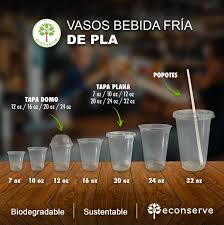

1. Definition of “16 oz”
16 oz refers to 16 ounces, a standard unit of measurement commonly used in the United States and other countries that follow the US customary system. Depending on context, “16 oz” can describe weight, mass, or volume, making it an important and versatile measurement in daily life, cooking, packaging, and beverages.
a. Fluid Ounces (fl oz)
When referring to liquids, 16 fl oz indicates 16 fluid ounces, a measure of volume. This is commonly used for beverages, cooking liquids, or other fluids. For example:
- A water bottle labeled 16 fl oz
- A soda can or energy drink serving
- Milk, juice, or soup packaging
Fluid ounces measure the space a liquid occupies, rather than its weight, and are standard in recipes, restaurants, and retail products in the US.
b. Ounces (oz)
In contrast, 16 oz can also represent weight or mass, used for solid items. This is typical for foods, ingredients, or other tangible objects. Examples include:
- 16 oz of meat (equivalent to 1 pound)
- 16 oz of flour or sugar in a recipe
- 16 oz packages of snacks, nuts, or coffee beans
Ounces in this context describe how heavy an object is, rather than the amount of space it takes up.
US Customary System Considerations
The United States uses ounces for both volume (fluid ounces) and weight, which can sometimes create confusion. The key differences are:
- Ounces (oz) → weight/mass
- Fluid ounces (fl oz) → volume
- 1 fl oz ≈ 1 oz only for water, since the density of water allows volume and weight to match approximately
Understanding this distinction is important when cooking, buying beverages, or converting measurements, especially in recipes or nutrition labels.
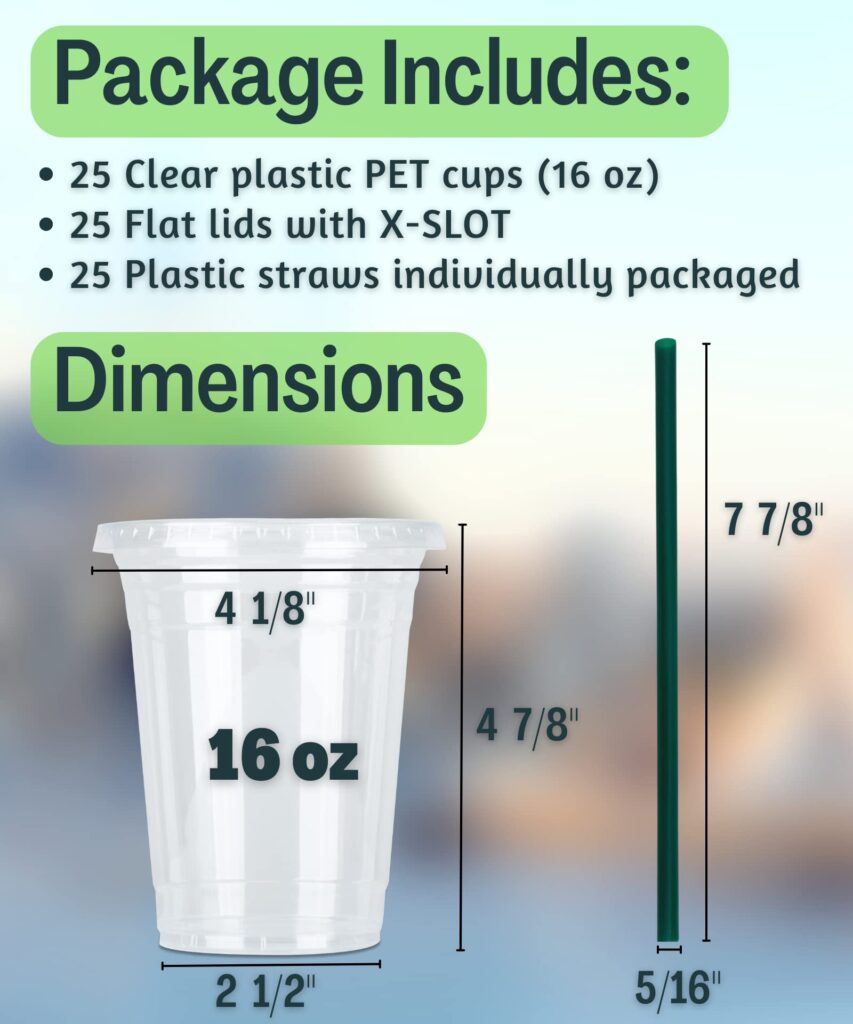
2. Conversions for 16 oz
Understanding the conversions for 16 oz is essential for cooking, baking, nutrition, and even beverage preparation. Depending on whether you are measuring weight or volume, 16 oz can be expressed in pounds, grams, cups, or liters. Below is a detailed breakdown of these conversions:
A. 16 oz in Pounds
One of the most common associations is between ounces and pounds. In the US customary system:
- 16 oz = 1 pound (lb)
This makes 16 ounces a convenient measurement for packaging and buying products like meat, flour, or sugar, as it represents exactly one pound.
B. 16 fl oz in Cups
When dealing with liquids, fluid ounces are used to measure volume rather than weight.
- 16 fl oz = 2 cups
- 16 fl oz = 473 milliliters (ml)
This means a standard 16-ounce beverage, such as a bottle of water or soda, is just under half a liter, making it a familiar and practical size for drinks.
C. 16 fl oz in Liters
For metric conversions, a 16 fl oz liquid volume is equivalent to:
- 16 fl oz ≈ 0.473 liters
This is helpful for international cooking, meal prep, or understanding nutrition labels that use the metric system.
D. 16 oz in Grams
When measuring weight or mass, 16 oz converts to grams as follows:
- 16 oz = 453.59 grams
This conversion is commonly used in recipes, food labeling, or when working with kitchen scales.
E. 16 oz in Kilograms
For larger metric-scale calculations:
- 16 oz = 0.453 kilograms (kg)
This is useful in contexts such as shipping, food service, or scientific measurements where kilograms are standard.
These conversions highlight the versatility of the 16 oz measurement, bridging the gap between US customary units and metric units. Whether you’re weighing ingredients, measuring liquids, or calculating nutrition, knowing these equivalents ensures precision and convenience.
3. Common Uses of “16 oz”
The 16 oz measurement is one of the most versatile and widely recognized sizes in everyday life. It is popular across categories such as food, drinks, household goods, and fitness products. Understanding its common uses can help consumers, cooks, and health-conscious individuals make better choices when purchasing, preparing, or measuring products.
a. Food Packaging
Many grocery items are conveniently packaged in 16-ounce containers. This size is popular because it provides a practical portion without being too large or too small. Examples include:
- Peanut butter jars – a standard medium-size jar
- Sour cream containers – common in refrigerated sections
- Snack bags containing items like nuts, chips, and dried fruits
- Packs of meat – especially chicken, beef, or ground meat
- Coffee beans – medium roasts often sold in 16 oz bags
The 16 oz packaging balances value and usability, making it convenient for storage and portion control.
b. Drinks and Bottles
For liquids, 16 fl oz is one of the most familiar drink sizes:
- Standard water bottle – ideal for daily hydration
- Medium-size soda bottle – commonly sold in stores
- Pint of beer (in the US) – a popular serving in bars and restaurants
- Coffee shop medium cup – sometimes called a pint cup, used for lattes, cappuccinos, and iced drinks
Its portability and manageable volume make it a favorite choice for consumers on the go.
c. Cooking and Baking
In kitchens, the 16 oz measurement is frequently used in both recipes and ingredient packaging:
- Flour and sugar – often sold in 16 oz bags for small-batch cooking
- Broth and stock – convenient single-use cartons
- Dairy products – cream, yogurt, and milk frequently come in 16 oz containers
- Vegetables and frozen foods – pre-measured portions for easier meal prep
Using 16 oz measurements helps maintain consistency in recipes, especially when converting between cups, grams, or milliliters.
d. Fitness and Nutrition
Health-conscious individuals and gym-goers rely on 16 oz measurements for proper nutrition and hydration:
- Protein shake servings – 12–16 oz is a common portion for post-workout nutrition
- Water intake tracking – 16 oz bottles are easy to measure and record daily hydration goals
This standard size allows for accurate calorie counting, portion control, and consistent nutrient intake.
e. Household Products
Many personal care and cleaning products are packaged in 16 oz bottles, making them a convenient mid-size option for home use:
- Detergents and fabric softeners
- Liquid cleaners and disinfectants
- Lotions, shampoos, and conditioners
The 16 oz size balances usability with storage convenience, fitting easily on shelves while providing sufficient product for regular use.
4. Why the 16 oz Size Is Popular
The 16 oz measurement has gained widespread popularity because it strikes a balance between practicality, convenience, and standardization. Its consistent use across food, beverages, household products, and other industries is no coincidence. Below are the main reasons why 16 oz has become a preferred size:
1. Easy Conversion
One of the most compelling advantages of 16 oz is its simplicity in conversion.
- 16 oz = 1 pound (lb) for weight measurements
- 16 fl oz = 2 cups for liquid volume
This makes calculations straightforward for cooking, baking, and nutrition tracking. Consumers and professionals alike appreciate this easy-to-understand equivalence, which reduces confusion when measuring or preparing food and beverages.
2. Convenient Portion Size
The 16 oz size is both practical and manageable:
- Large enough to provide a full serving or sufficient quantity of a product
- Small enough to remain portable, easy to store, and suitable for daily use
Whether it’s a 16 oz water bottle, coffee cup, or peanut butter jar, this size offers the perfect balance between utility and convenience.
3. Standard Retail Packaging
From a manufacturer’s perspective, 16 oz is a convenient and versatile packaging size:
- Fits a wide range of price points that appeal to different budgets
- Easy to stock, transport, and display in stores
- Familiar to consumers, creating consistent expectations for product quantity
This consistency simplifies production, marketing, and retail logistics while meeting consumer demand.
4. Versatile Across Industries
The 16 oz measurement is widely used across multiple industries due to its adaptability:
- Beverages – water, soda, coffee, beer
- Groceries – meats, dairy, pantry items
- Cosmetics and personal care – lotions, shampoos, conditioners
- Chemicals and household products – cleaners, detergents, liquid solutions
Its broad application demonstrates the flexibility of the 16 oz size, making it a standard in both consumer and industrial contexts.
The 16 oz measurement remains popular because it combines easy conversions, a practical portion, standardized packaging, and versatility across industries. This makes it a go-to size for everyday use and commercial applications alike.
5. 16 oz in Different Contexts
The 16 oz measurement is widely used across multiple contexts, from beverages and food to coffee shops and shipping. Understanding how it applies in these areas helps clarify why it has become such a familiar and practical size.
A. In Drinks (Volume)
A 16-ounce beverage is commonly recognized as a pint or a medium-sized drink. This size is ideal for:
- Hydration – a manageable portion for daily water intake
- Single servings – perfect for beverages like juice, soda, or iced tea
- Portability – fits easily in car cup holders, lunch boxes, or backpacks
Many bottled drinks, cans, and ready-to-drink beverages use 16 fl oz as a standard to balance quantity and convenience for consumers.
B. In Weight-Based Foods
When measuring weight, 16 oz = 1 pound, making it a standard unit for packaging foods:
- Meat – beef, chicken, or pork are commonly sold in 16 oz packages
- Pasta – bags of spaghetti or noodles frequently come in 1-pound portions
- Frozen items – vegetables, fish, or pre-portioned meals
This consistent weight simplifies cooking, meal planning, and nutritional calculations.
C. In Coffee Shops
Coffee shops often use a tiered sizing system based on ounces:
- 12 oz – small
- 16 oz – medium
- 20 oz – large
Here, a 16 oz coffee is the standard medium, often referred to as a “pint cup” in certain cafés. This makes it easy for baristas and customers to understand portion sizes while maintaining consistency across drinks like lattes, cappuccinos, or iced coffee.
D. In Shipping
In shipping and postal services, 16 oz (1 lb) is an important threshold:
- Many postal rates change at the 1-pound mark, making 16 oz a key cutoff for calculating shipping costs
- Packages under 16 oz often qualify for lighter or less expensive shipping options
- Over 16 oz, items are typically charged at higher rates or considered heavier parcels
This makes 16 oz a common reference for businesses, e-commerce sellers, and consumers when planning shipments.
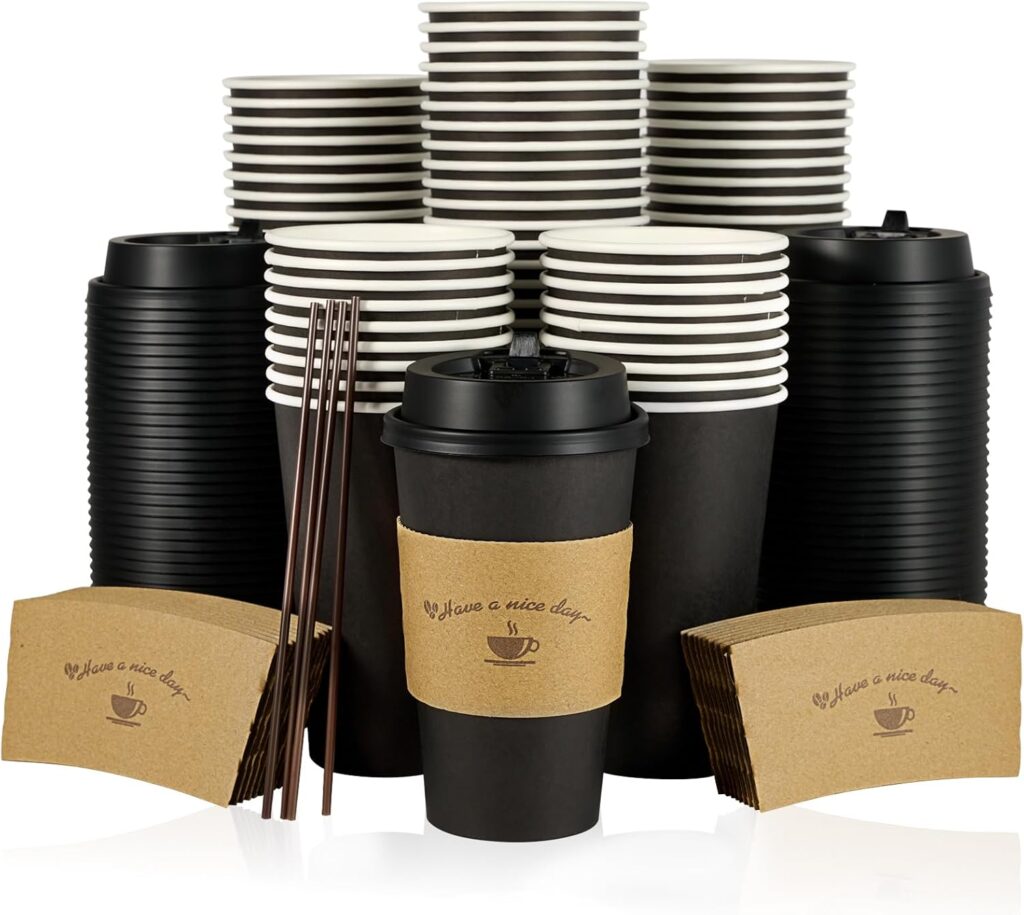
6. Comparison With Other Sizes
The 16 oz measurement fits neatly among other common sizes used in food, beverages, and household products. Comparing it to smaller and larger sizes helps consumers understand its relative volume or weight, making it easier to choose the right portion for their needs.
| Size | Equivalent | Common Use |
| 8 oz | 1 cup | Small drink, yogurt container |
| 12 oz | 1.5 cups | Standard soda can |
| 16 oz | 2 cups / 1 lb | Water bottle, pint, medium coffee |
| 32 oz | 4 cups / 1 quart | Large drink, family-size packaging |
Understanding the Comparison
- 8 oz (1 cup): Ideal for smaller servings, such as a cup of milk, a yogurt container, or a small coffee.
- 12 oz (1.5 cups): Slightly larger than a cup; commonly used for standard soda cans or medium beverages.
- 16-oz (2 cups / 1 lb): The “sweet spot” in size—large enough to provide a substantial portion, but still portable and convenient. It’s a common choice for water bottles, medium coffee cups, and 1-pound packaged foods.
- 32 oz (4 cups / 1 quart): Typically used for large drinks, family-sized portions, or bulk items in groceries.
This comparison clearly shows why 16-oz has become a standard size: it balances quantity, convenience, and versatility, making it suitable for everyday use across multiple industries.
7. Conclusion
The 16-oz measurement has become one of the most practical and widely used standards in daily life. Whether referring to weight (1 pound) or volume (16 fl oz), it serves as a versatile benchmark for food, beverages, household products, and more. Its popularity stems from several factors:
- Easy conversions – 16-oz = 1 pound or 2 cups, simplifying calculations
- Convenient portion size – large enough to be useful but small enough to remain portable
- Standard retail packaging – preferred by manufacturers for consistency and cost efficiency
- Versatility across industries – applicable in groceries, beverages, cosmetics, and shipping
From water bottles and coffee cups to meat packages and household items, 16-oz provides a practical, standardized reference that balances usability, convenience, and accessibility. Understanding this measurement helps consumers make informed choices in cooking, nutrition, shopping, and daily living, while also appreciating its universal application across multiple contexts.
Ultimately, the 16-oz size demonstrates how a simple measurement can become a cornerstone of everyday life, combining functionality, familiarity, and convenience in one widely recognized standard.
8. FAQs
1. What does 16-oz mean?
16-oz refers to 16 ounces, which can measure weight (oz) or volume (fl oz) depending on context. For example, 16-oz of meat is a weight measurement, while 16 fl oz of water refers to volume.
2. Is 16-oz equal to 1 pound?
Yes. When measuring weight, 16 ounces = 1 pound (lb). This represents a typical conversion within the US customary system.
3. Is 16-oz the same as 16 fl oz?
Not exactly. 16-oz measures weight, while 16 fl oz measures volume. They only match approximately for water due to its density (1 fl oz ≈ 1 oz by weight).
4. How many cups are in 16-oz?
- 16 fl oz = 2 cups (volume)
- 16-oz by weight varies depending on the ingredient (e.g., 16-oz of flour is about 3 1/3 cups).
5. How many milliliters is 16 fl oz?
16 fl oz ≈ 473 milliliters, just under half a liter. This is a typical size for bottled beverages or coffee.
6. What foods or drinks commonly come in 16-oz?
- Food packaging: Peanut butter jars, sour cream containers, coffee beans, packs of meat
- Drinks: Water bottles, medium soda bottles, pint beers, coffee shop medium cups
- Household products: Shampoos, lotions, detergents
7. Why is 16-oz so popular?
16-oz is popular because it is easy to convert, offers a convenient portion, fits standard retail packaging, and is versatile across industries like beverages, groceries, and household products.
8. Is a 16-oz a standard drink size in coffee shops?
Yes. Many cafés use 12 oz (small), 16-oz (medium), and 20 oz (large) sizes. A 16-oz coffee is typically considered a medium.
9. Can a 16-oz be used for shipping?
Yes. 16-oz (1 lb) is an important cutoff for postal services, as many shipping rates change at the 1-pound mark.
10. How does 16-oz compare to other sizes?
| Size | Equivalent | Common Use |
| 8 oz | 1 cup | Small drink, yogurt |
| 12 oz | 1.5 cups | Soda can, medium drink |
| 16-oz | 2 cups / 1 lb | Water bottle, medium coffee |
| 32 oz | 4 cups / 1 quart | Large drink, family-size |
16-oz sits in the middle, balancing portability and usability.