
Introduction
The classrooms are more than just physical spaces where lessons are delivered; they are the heart of the learning experience. They serve as dynamic environments where students not only acquire knowledge but also develop critical life skills, such as communication, problem-solving, and teamwork. Within these walls, teachers act as guides and mentors, inspiring curiosity, encouraging questions, and fostering a love for learning. Over time, classrooms have transformed from rigid, lecture-focused settings into flexible, interactive spaces that nurture creativity, critical thinking, and collaboration. The classrooms are designed to adapt to the diverse needs of students, blending traditional methods with modern technology to create a holistic learning environment that prepares learners for the challenges of the future.
1. The Traditional Classroom
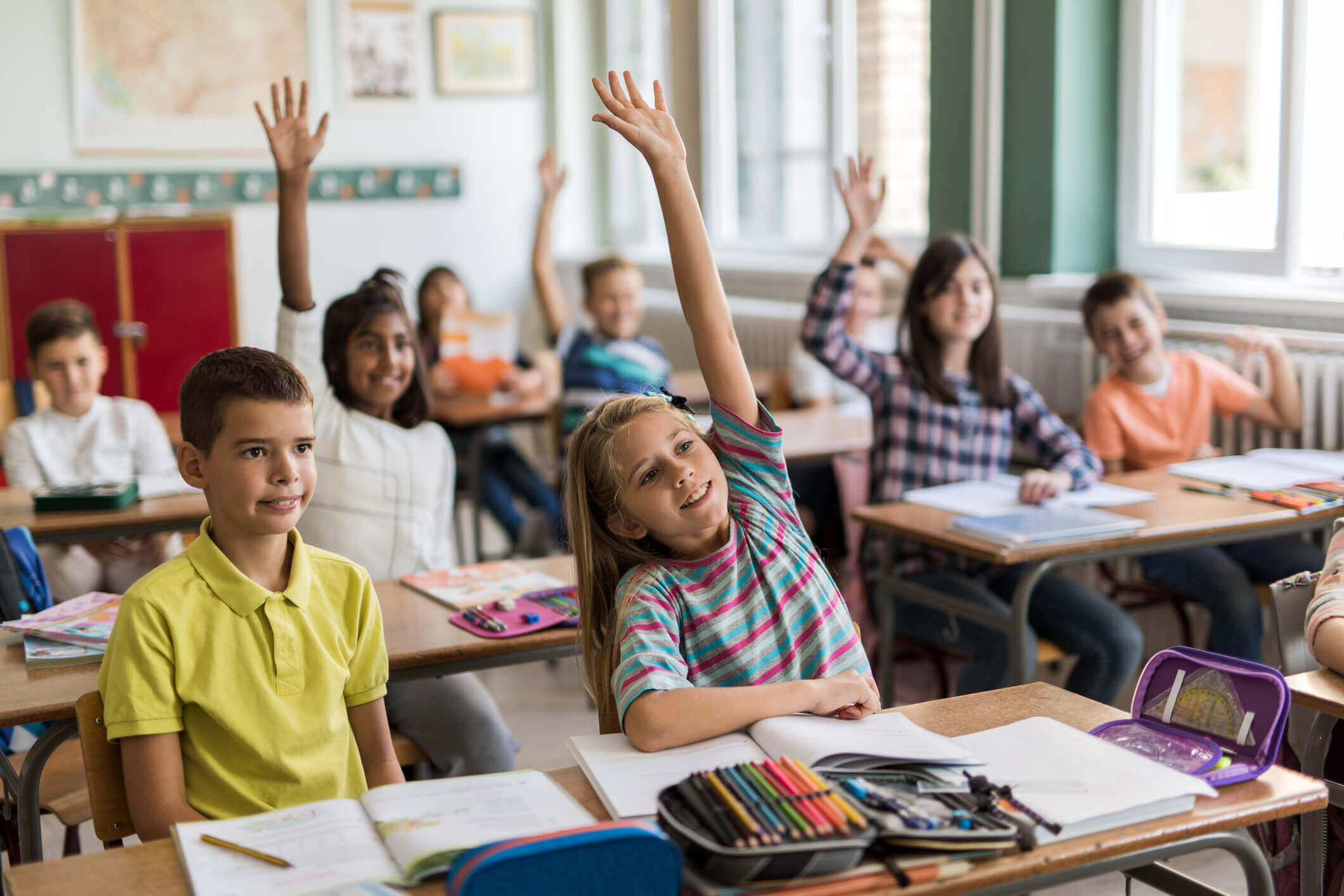
Structure: Traditionally, the classrooms typically feature rows of desks facing the teacher, accompanied by chalkboards or whiteboards at the front. Seating arrangements are often fixed and orderly, reflecting a structured environment designed to maintain discipline and focus. This setup emphasizes teacher-led instruction, where students listen, take notes, and follow a clear, linear learning process.
Learning Style: In traditional classrooms, the learning approach is primarily teacher-centered. The teacher acts as the main source of knowledge, delivering lessons while students listen, take notes, and absorb information. This style focuses on instruction and memorization, with limited opportunities for student participation or collaborative learning.
Pros: Traditional classrooms offer several advantages. They provide discipline and a well-defined structure, which helps students stay organized and focused. This environment is particularly effective for building foundational knowledge, ensuring that learners grasp essential concepts before moving on to more complex topics.
Cons: Despite their benefits, traditional classrooms have notable drawbacks. They often limit student engagement, leaving little room for creativity or exploration. The teacher-centered approach can result in passive learning, where students receive information rather than actively interacting with it, which may hinder critical thinking and problem-solving skills.
2. Modern Classrooms
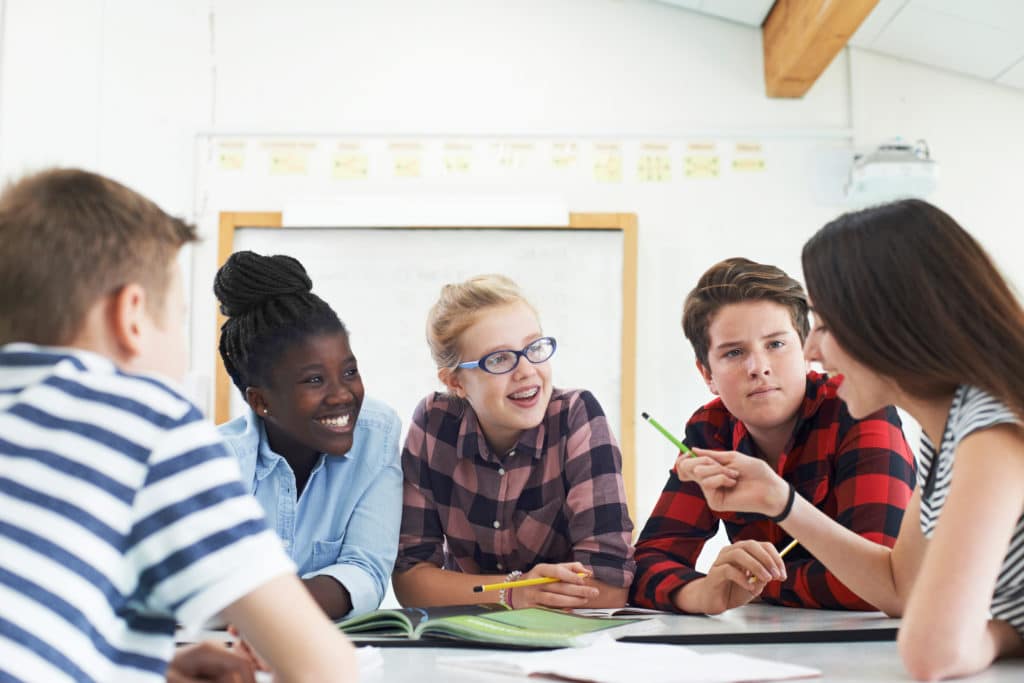
Structure: The classrooms feature flexible seating arrangements that can be easily reconfigured to support individual work, group projects, or class discussions. They often incorporate technology such as smartboards, tablets, and interactive displays, creating a more engaging and adaptable learning environment. Designated spaces for collaboration encourage teamwork, creativity, and active participation.
Learning Style: The classrooms adopt a student-centered approach, where learners actively participate in their own education. This style emphasizes discussions, collaborative projects, and interactive activities, allowing students to explore ideas, ask questions, and engage deeply with the material. It fosters critical thinking, problem-solving, and independent learning.
Pros: The classrooms offer numerous benefits. They enhance creativity by encouraging students to explore new ideas, promoting critical thinking through problem-solving activities, and foster teamwork via collaborative projects. This interactive environment also increases student engagement, making learning more meaningful and enjoyable.
Cons: Despite their advantages, the classrooms have some challenges. They require more resources, such as technology, flexible furniture, and learning materials, which can be costly. Additionally, teachers need specialized training to effectively facilitate student-centered learning and integrate technology into lessons.
3. Virtual Classrooms
Definition: Virtual classrooms are online platforms where teaching and learning take place remotely. They allow students and teachers to connect from different locations, enabling education to continue without the need for a physical classroom. These platforms often include tools for live lessons, assignments, discussions, and assessments.
Tools: Virtual classrooms utilize a variety of digital platforms to facilitate learning. Popular tools include Zoom for live video lessons, Google Classroom for managing assignments and resources, and Microsoft Teams for collaboration and communication. Other e-learning platforms may offer interactive lessons, quizzes, and discussion forums to support a comprehensive online learning experience.
Advantages: Virtual classrooms offer several key benefits. They provide access to a wide range of global resources, allowing students to learn from experts and materials beyond their local environment. They also offer flexibility in terms of time and location, enabling learners to study at their own pace. Additionally, virtual classrooms support personalized learning, allowing teachers to tailor lessons and activities to individual student needs.
Challenges: Virtual classrooms also come with certain limitations. They often provide limited opportunities for face-to-face social interaction, which can affect communication and teamwork skills. Students are heavily dependent on technology, making reliable internet access and devices essential. Additionally, online learning requires strong self-discipline and time-management skills, which can be challenging for some learners.
4. The Role of Teachers
Teachers are the cornerstone of any the classrooms, whether traditional, modern, or virtual. Their role extends far beyond simply delivering lessons—they guide the learning process, create a safe and supportive environment, and inspire curiosity and a love for knowledge. In traditional classrooms, teachers often serve as the primary source of information, leading structured lessons and ensuring foundational learning. In modern and virtual classrooms, however, their role shifts more toward facilitation: they encourage discussion, guide collaborative projects, integrate technology, and help students develop critical thinking and problem-solving skills. Regardless of the setting, effective teachers adapt to the needs of their students, fostering engagement, motivation, and personal growth.
5. Knowledge Sharing
The classrooms play a crucial role in society by serving as the primary spaces for passing knowledge from one generation to the next. They provide structured environments where students can learn essential academic concepts, practical skills, and cultural values. By facilitating the transfer of knowledge, classrooms help preserve traditions, promote intellectual growth, and prepare students to contribute meaningfully to their communities and the broader world.
Social Development: Beyond academics, the classrooms are vital for students’ social growth. They provide opportunities to develop communication skills, collaborate effectively in teams, and practice empathy and understanding toward others. Classrooms also teach essential life skills such as conflict resolution and cooperation, helping students navigate social interactions and build meaningful relationships both inside and outside school.
Innovation and Creativity: Modern classrooms play a key role in fostering innovation and creativity. By encouraging students to think critically, experiment with new ideas, and engage in problem-solving activities, these learning spaces nurture inventive thinking and adaptability. Such environments empower students to develop original solutions, embrace challenges, and cultivate skills that are essential for success in an ever-changing world.
6. The Future of Classrooms
Hybrid Models: The classrooms of the future are likely to adopt hybrid models, combining in-person and online learning. This approach allows students to benefit from face-to-face interaction while also enjoying the flexibility and accessibility of digital platforms. Hybrid the classrooms can cater to diverse learning styles, provide personalized instruction, and make education more inclusive and adaptable to different needs and circumstances.
Smart Classrooms: Future classrooms are expected to integrate advanced technologies such as artificial intelligence (AI), virtual reality (VR), and adaptive learning tools. AI can help personalize lessons for individual students, VR can create immersive learning experiences, and adaptive tools can adjust content based on student performance. These innovations aim to make learning more interactive, engaging, and effective, preparing students for the demands of a technology-driven world.
Flexible Learning Spaces: Future the classrooms are being designed with flexibility in mind, allowing spaces to be easily adapted for different activities. These environments support collaboration through group work areas, foster creativity with open and inspiring layouts, and accommodate individualized learning by providing quiet zones or personalized learning stations. Such adaptable spaces empower students to engage with lessons in ways that best suit their learning styles and needs.
Conclusion
The classrooms today are far more than just four walls and a blackboard; they have become dynamic hubs of interaction, creativity, and discovery. Whether traditional, modern, or virtual, the classrooms serve as environments where students are encouraged to explore ideas, ask questions, and engage actively with learning. At their core, classrooms aim to foster curiosity, critical thinking, and personal growth, equipping students not only with academic knowledge but also with the skills and confidence needed to succeed in life. As education continues to evolve, the classroom will remain a vital space where minds are inspired, talents are nurtured, and the foundation for future success is built.
FAQs
Q1: What is the difference between traditional and modern classrooms?
Traditional classrooms are teacher-centered with fixed seating and structured lessons, focusing on listening and memorization. Modern classrooms are student-centered, flexible, and interactive, promoting collaboration, creativity, and active engagement.
Q2: What are virtual classrooms?
Virtual classrooms are online platforms where teaching and learning occur remotely. They use tools like Zoom, Google Classroom, and Microsoft Teams to deliver lessons, manage assignments, and facilitate discussions.
Q3: Are virtual classrooms effective?
Yes, when supported with proper technology, resources, and engagement strategies, virtual classrooms can provide flexible, personalized, and highly effective learning experiences.
Q4: What skills do classrooms help develop besides academics?
Classrooms foster social development, including communication, teamwork, empathy, and conflict resolution. Modern and virtual classrooms also enhance problem-solving, critical thinking, and creativity.
Q5: How are classrooms evolving for the future?
Classrooms are moving toward hybrid models, integrating technology such as AI, virtual reality, and adaptive learning tools. Flexible learning spaces are being designed to support collaboration, individualized learning, and innovative teaching methods.
Q6: Why are teachers important in the classrooms?
Teachers guide learning, inspire curiosity, and create a safe, supportive environment. In modern and virtual classrooms, they act as facilitators, encouraging active participation, discussion, and independent thinking.