
Introduction to Narutomaki
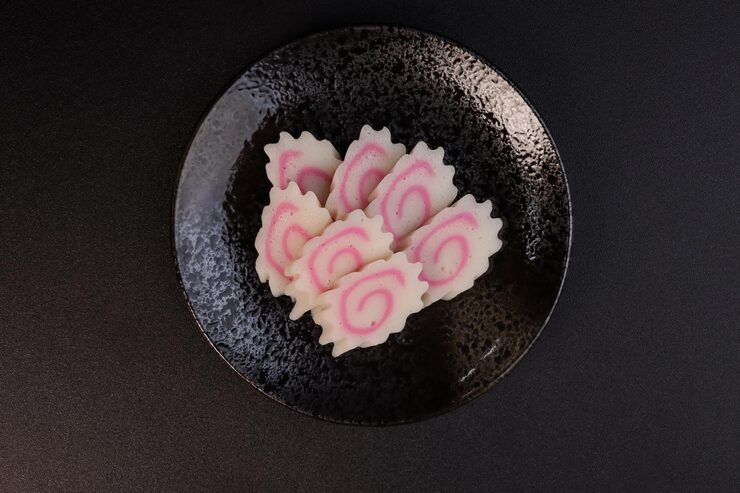
Narutomaki is a traditional Japanese fish cake that stands out instantly because of its striking pink spiral set against a white background. This visually distinctive food item is most commonly associated with ramen, where it appears as a sliced topping floating on the surface of the broth. While many people recognize narutomaki for its appearance, its importance in Japanese cuisine goes far beyond simple decoration. It represents a blend of culinary craftsmanship, cultural symbolism, and historical food preservation practices.
At its core, narutomaki belongs to a broader category of Japanese fish cakes known as kamaboko, which are made from finely ground white fish paste. Over centuries, Japanese cooks refined these fish-based products to achieve specific textures, flavors, and shapes. Naruto Fish Cake emerged as a unique variation, designed not only to taste pleasant but also to appeal visually, reflecting the Japanese emphasis on balance, harmony, and presentation in food.
The iconic spiral pattern of narutomaki is inspired by natural phenomena, specifically the famous whirlpools of the Naruto Strait in Japan. This connection between food and nature highlights how traditional Japanese cuisine often draws inspiration from the surrounding environment. As a result, Naruto Fish Cake carries a symbolic meaning tied to regional identity and natural beauty, making it more than just an edible ingredient.
Culinarily, narutomaki plays a supporting yet important role. Its mild flavor and soft, springy texture complement stronger tastes found in soups and noodle dishes without overpowering them. Because of this versatility, it has remained a popular component in both everyday meals and special occasions. Today, narutomaki continues to be widely used in Japan and is increasingly recognized worldwide, especially as Japanese cuisine gains global popularity.
What Is Narutomaki?
Narutomaki is a specific variety of kamaboko, the traditional Japanese fish cake made from pureed white fish. Kamaboko itself encompasses a wide range of processed fish products, but narutomaki stands out for its distinct pink swirl pattern running through its center, which resembles a whirlpool—hence the name, inspired by the Naruto Strait in Tokushima Prefecture.
The fish used for narutomaki is usually white-fleshed fish such as cod, pollock, or whiting. The fish is finely minced, seasoned with salt and sometimes sugar, and mixed with egg whites, starch, and mirin to achieve a smooth, elastic paste. This paste is then shaped into a cylindrical log, with the pink spiral carefully layered in the center.
Once shaped, narutomaki is steamed to firm up the texture, giving it a slightly bouncy, chewy consistency that is characteristic of kamaboko. It can be served cold, straight from the package, or added warm as a garnish to noodle dishes such as ramen, udon, and soba. Beyond its visual appeal, narutomaki adds a subtle savory flavor that complements broths and other ingredients, making it both a decorative and flavorful element in Japanese cuisine.
Origin of the Name “Narutomaki”
The name “Narutomaki” is deeply tied to Japanese geography and culture. It originates from the Naruto Strait, a narrow body of water that flows between Awaji Island and Shikoku in Japan. This strait is famous for its powerful and mesmerizing whirlpools, locally known as naruto no uzushio, which form due to the tidal currents in the area.
The signature pink spiral of narutomaki is designed to mimic these natural whirlpools, making the fish cake not only visually striking but also culturally meaningful. The spiral symbolizes motion, energy, and continuity, reflecting the Japanese appreciation for nature-inspired aesthetics in food.
Historically, Japanese culinary artisans often drew inspiration from natural elements, and narutomaki is a prime example of this tradition. The spiral became a hallmark of craftsmanship in fish cake making, turning a simple food item into a symbolic and decorative ingredient. Today, the name narutomaki not only identifies the food but also connects it to its geographical and cultural roots, bridging gastronomy with Japanese heritage.
Historical Background of Narutomaki
Narutomaki has a rich historical lineage within Japanese cuisine, tracing back several centuries alongside other varieties of kamaboko. In the days before modern refrigeration, preserving fish was a major challenge. Fishermen and cooks developed methods to grind white fish into a fine paste, season it, and steam it, creating a durable, protein-rich product that could last longer than raw fish. This early form of kamaboko was both practical and nutritious, serving as a staple in everyday Japanese diets.
Over time, narutomaki evolved from a simple preservation food into a refined culinary item. Artisans began adding the distinctive pink spiral, not only as a decorative touch but also as a symbol of skill and craftsmanship. This transformation reflected a broader cultural trend in Japan, where the presentation of food became as important as taste.
By the Edo period (1603–1868), narutomaki had become a popular garnish for noodle dishes like ramen, udon, and soba, adding both flavor and aesthetic appeal. It was also incorporated into celebratory meals and restaurant dishes, where its visual charm and subtle taste enhanced the dining experience. Today, narutomaki continues to hold cultural significance, representing both the practical ingenuity and artistic sensibilities of traditional Japanese cuisine.
Ingredients Used in Narutomaki
Traditional narutomaki is crafted using a few simple yet carefully selected ingredients, each contributing to its flavor, texture, and distinctive appearance:
- White Fish Paste (Surimi): The main component of narutomaki is surimi, made by finely grinding white-fleshed fish such as pollock or cod. This paste forms the base, providing a mild, savory flavor and a smooth, elastic texture.
- Salt and Sugar: These basic seasonings enhance the natural taste of the fish paste. Salt acts as a preservative and flavor enhancer, while a small amount of sugar balances the savory notes, giving narutomaki its subtly sweet undertone.
- Egg White or Starch: Egg whites or starch are added to the fish paste to bind the ingredients and achieve the characteristic springy, chewy texture. This ensures that when steamed, the narutomaki holds its shape and maintains its bouncy consistency.
- Natural or Food Coloring: The iconic pink spiral is created using either natural coloring agents or food dyes. This visual element is carefully applied before steaming to form the smooth, whirlpool-like pattern that defines narutomaki.
The simplicity of these ingredients belies the skill and precision required to transform them into the final product. The fish paste must be kneaded to the perfect consistency, the pink swirl carefully layered, and the log precisely steamed to achieve the ideal texture and appearance. The result is a food item that is both visually appealing and delicious, making it a beloved addition to Japanese cuisine.
How Narutomaki Is Made
The making of narutomaki is a meticulous process that combines culinary skill with careful craftsmanship to achieve its unique texture and spiral design:
- Preparing the Fish Paste: White fish such as pollock or cod is first washed, deboned, and finely minced. The fish is then ground into a smooth surimi paste, ensuring there are no lumps and the texture is uniform.
- Seasoning the Paste: Salt, sugar, and sometimes mirin or other mild seasonings are incorporated into the fish paste. Egg whites or starch may also be added at this stage to improve elasticity and help the paste hold its shape during steaming.
- Forming the Base Layer: The seasoned fish paste is spread evenly onto a flat surface, creating a rectangular sheet. This layer serves as the foundation for the spiral design.
- Adding the Pink Spiral: A separate portion of the fish paste is mixed with pink coloring and shaped into a thin strip. This strip is carefully placed on the base layer. The precision in laying the pink paste is crucial to ensure a perfect, uniform swirl in the final product.
- Rolling into a Log: The flat sheet is then rolled tightly from one end, encasing the pink strip inside. This cylindrical log is carefully shaped to ensure the spiral will remain centered when sliced.
- Steaming: The rolled log is steamed until firm, cooking the fish paste thoroughly while preserving its elasticity. Steaming also locks in moisture, giving narutomaki its characteristic springy texture.
- Slicing: Once cooled, the log is cut into round slices, revealing the iconic pink swirl at the center. Each slice is uniform, displaying the delicate spiral pattern that makes narutomaki instantly recognizable.
Texture and Flavor Profile of Narutomaki
Narutomaki is celebrated for its delicate balance of flavor and texture, which makes it a versatile addition to many Japanese dishes:
- Texture: The fish cake has a soft yet springy and elastic consistency, achieved through the careful kneading of surimi and the steaming process. This “bouncy” texture is often described as chewy but tender, providing a satisfying mouthfeel that contrasts nicely with softer noodles or broths.
- Flavor: The taste of narutomaki is mild and subtly sweet, with a gentle umami flavor derived from the fish paste. It is intentionally not overpowering, allowing it to complement other ingredients rather than dominate them.
- Absorption of Flavors: One of narutomaki’s culinary strengths is its ability to absorb surrounding flavors, such as the savory richness of ramen broth or the seasoning of udon soup, while still contributing its own subtle, fish-based umami.
This combination of light flavor and resilient texture makes narutomaki an ideal garnish and accompaniment in Japanese cuisine. It enhances dishes visually and gastronomically, providing both aesthetic appeal and a pleasant contrast in texture without overshadowing other ingredients.
Narutomaki in Ramen and Other Dishes
Narutomaki is perhaps most iconic as a ramen topping, where it adds both flavor and visual appeal. In a typical bowl, it is sliced into thin rounds and placed alongside chashu (sliced pork), green onions, nori (seaweed), and boiled eggs, providing a pop of color and a delicate texture contrast to the rich broth and noodles.
Beyond ramen, narutomaki is used in a variety of other Japanese dishes:
- Udon and Soba Noodles: Thin slices of narutomaki are added to hot noodle soups, enhancing presentation and lending subtle flavor.
- Bento Boxes: Its bright pink swirl makes it a popular decorative element in lunchboxes, adding charm and nutrition.
- Hot Pots (Nabe): Narutomaki can be included in simmering soups and stews, where it absorbs the flavors of the broth while maintaining its bouncy texture.
- Festive Meals and New Year Dishes: It is sometimes incorporated into celebratory dishes, symbolizing good luck and adding a cheerful touch to the spread.
The visual appeal of narutomaki—the pink spiral against the white background—creates balance and contrast in meals, making dishes not only tastier but also more aesthetically pleasing. Its versatility in both everyday and festive cuisine has cemented its place as a beloved ingredient in Japanese culinary culture.
Cultural Significance of Narutomaki in Japan
Narutomaki is more than just a food ingredient—it has become a cultural icon in Japan. Its distinctive pink spiral is instantly recognizable, making it a symbol of traditional Japanese cuisine, particularly ramen.
- Representation in Media: Narutomaki frequently appears in anime, manga, and Japanese pop culture, often used as a visual shorthand for ramen or Japanese food in general. Its inclusion in popular media has contributed to its iconic status, making it familiar even to people outside Japan who may have never tasted it.
- Symbolism: The spiral design evokes images of whirlpools and energy, linking the food to nature and movement. In some contexts, it symbolizes continuity, craftsmanship, and tradition, reflecting the meticulous attention to detail in Japanese culinary arts.
- International Recognition: Thanks to its portrayal in media and the global popularity of ramen, narutomaki has gained international visibility. It is now recognized as a symbol of Japanese culture, often appearing in Japanese restaurants worldwide, in culinary videos, and in food-related merchandise.
Nutritional Value of Narutomaki
Narutomaki is a light and protein-rich food, making it a popular garnish in Japanese cuisine rather than a main dish. Its nutritional profile reflects its primary ingredients—white fish paste, egg white, and seasonings:
- Protein: Being made from white fish, narutomaki provides a moderate amount of high-quality protein, which supports muscle growth and repair.
- Fat: It is low in fat, as most of the oils present in fish are removed during the surimi processing. This makes it a healthier addition compared to fried or heavily processed foods.
- Carbohydrates: Narutomaki contains minimal carbohydrates, so it does not significantly impact blood sugar levels and is suitable for light meals.
- Sodium: One aspect to be mindful of is its sodium content, which can be high due to added salt during preparation. Consuming it in moderation is recommended, especially for individuals monitoring their sodium intake.
- Calories: Generally, narutomaki is low in calories, making it ideal as a flavorful yet light garnish for soups, noodles, and festive dishes.
Narutomaki vs. Other Fish Cakes
Narutomaki is a distinct type of kamaboko, setting itself apart from other Japanese fish cakes in several key ways:
- Visual Appearance: The most striking feature of narutomaki is its pink spiral at the center, which immediately distinguishes it from plain white kamaboko or other colored varieties. This swirl not only serves an aesthetic purpose but also ties the fish cake to cultural and regional symbolism.
- Texture and Cooking Style: While most fish cakes are made from similar ingredients—white fish paste, salt, sugar, and binding agents—narutomaki is steamed and sliced into rounds, giving it a soft yet elastic texture. Other fish cakes may be grilled, fried, or molded into different shapes, resulting in variations in texture and flavor.
- Culinary Use: Narutomaki is traditionally associated with ramen and other noodle dishes, whereas other kamaboko varieties may appear in bento boxes, soups, oden (Japanese hot pot), or as standalone snacks. Its purpose is often decorative as much as it is functional, enhancing the presentation of a dish.
- Cultural Significance: While many fish cakes are simply ingredients, narutomaki carries a symbolic and cultural identity, widely recognized in Japanese media and pop culture as a hallmark of ramen and traditional cuisine.

Availability of Narutomaki Outside Japan
In recent years, narutomaki has become increasingly accessible worldwide, thanks to the global popularity of Japanese cuisine, particularly ramen.
- Forms and Storage: Narutomaki is typically sold frozen or refrigerated to maintain freshness and texture. When stored properly, it can last for several weeks in the fridge or even longer in the freezer, making it convenient for home cooks. Before use, frozen narutomaki is usually thawed and sliced, then added to soups, noodles, or other dishes.
- International Popularity: Its availability outside Japan has allowed chefs and home cooks to incorporate narutomaki into ramen bowls, bento boxes, and fusion dishes. The recognizable pink swirl not only enhances visual appeal but also provides an authentic touch to Japanese-inspired meals abroad.
- Culinary Adaptation: Some international versions of narutomaki may use slightly different coloring or fish varieties to suit local tastes, but the classic flavor, texture, and spiral design remain consistent, preserving its traditional charm.
How to Use Narutomaki at Home
Narutomaki is extremely versatile and easy to incorporate into home-cooked meals. Its convenience and visual appeal make it a favorite for both everyday dishes and special occasions:
- As a Topping for Soups and Noodles: Simply slice narutomaki into thin rounds and add directly to ramen, udon, or soba. Its mild flavor complements broths without overpowering other ingredients.
- In Stir-Fries: Cut Swirled Fish Cake into slices or pieces and add it to vegetable or noodle stir-fries. It adds a subtle umami flavor, texture contrast, and a pop of pink color.
- Cold Platters or Bento Boxes: Swirled Fish Cake can be served cold, making it ideal for bento lunches or appetizer platters. Its distinctive swirl provides visual interest and variety alongside other ingredients.
- Minimal Preparation Needed: One of the key advantages is that Swirled Fish Cake requires no additional cooking; it is ready to eat once sliced, which saves time while enhancing both flavor and presentation.
- Creative Uses: Home cooks can also use Swirled Fish Cake in fusion dishes, salads, or even as a garnish for festive meals, leveraging its color and spiral pattern for artistic plating.
Conclusion
Narutomaki is far more than a simple decorative topping; it embodies centuries of history, culinary craftsmanship, and cultural identity in Japanese cuisine. From its origins as a preserved fish product to its iconic whirlpool-inspired pink swirl, Swirled Fish Cake reflects both the artistry and practicality of traditional Japanese cooking.
Its role in modern ramen culture, as well as its appearances in anime, manga, and pop culture, has elevated Swirled Fish Cake to an internationally recognizable symbol of Japanese food. Versatile, visually appealing, and subtly flavorful, it continues to delight chefs and food lovers alike, bridging the gap between tradition and contemporary cuisine.
FAQs
1. What is Swirled Fish Cake?
Swirled Fish Cake is a type of Japanese fish cake (kamaboko) made from pureed white fish. It is characterized by its distinctive pink spiral and is commonly used as a garnish in ramen, udon, and other dishes.
2. Where does Swirled Fish Cake come from?
Swirled Fish Cake originated in Japan, specifically in the Naruto Strait area of Tokushima Prefecture. The swirl design is inspired by the whirlpools (naruto no uzushio) found in the strait.
3. What fish is used to make Swirled Fish Cake?
Typically, white-fleshed fish such as pollock, cod, or whiting are used. These fish are ground into a smooth paste (surimi), which forms the base of the fish cake.
4. How is Swirled Fish Cake made?
Swirled Fish Cake is made by seasoning fish paste, spreading it on a flat sheet, adding a pink-colored paste strip, rolling it into a log, steaming it until firm, and then slicing it into rounds to reveal the spiral.
5. Is Swirled Fish Cake cooked or raw?
Swirled Fish Cake is steamed and fully cooked during production. It can be eaten cold or added directly to hot dishes without additional cooking.
6. What does Naruto Fish Cake taste like?
Naruto Fish Cake has a mild, slightly sweet, and subtly savory flavor. Its texture is soft yet springy, making it a versatile ingredient that complements soups, noodles, and stir-fries.
7. Can Naruto Fish Cake be stored, and how?
Yes. Naruto Fish Cake is usually sold frozen or refrigerated. It can be stored in the fridge for several weeks or frozen for longer periods. Slices can be thawed before use.
8. How is Naruto Fish Cake used in cooking?
It is most commonly used as a garnish in ramen, udon, and soba. It can also be added to hot pots, stir-fries, bento boxes, and cold platters for both flavor and visual appeal.
9. Is Naruto Fish Cake healthy?
Naruto Fish Cake is low in fat, high in protein, and light in calories. However, it can be high in sodium, so it is best enjoyed in moderation. It is more of a garnish than a main source of nutrition.
10. How is Naruto Fish Cake different from other fish cakes?
Unlike plain kamaboko or other fish cakes, Naruto Fish Cake is easily identifiable by its pink spiral. Other fish cakes may be grilled, fried, or shaped differently, while Naruto Fish Cake is specifically associated with ramen and decorative presentation.