
Introduction
Garden tub is a type of bathtub built for deep, immersive soaking, emphasizing comfort and relaxation over routine bathing. Unlike conventional bathtubs, which are typically shallow and narrow, garden tubs are intentionally built with greater depth and width. This design allows users to submerge a larger portion of the body, making them ideal for extended soaking sessions that promote physical relaxation and mental well-being.
The concept of the garden tub is rooted in traditional outdoor bathing practices, where soaking in warm water was associated with leisure, luxury, and therapeutic benefits. Historically, such baths were often placed in natural settings, surrounded by gardens or scenic landscapes, emphasizing a connection between bathing and nature. Although modern garden tubs are commonly installed indoors, they retain this philosophy by offering a calm, spa-like experience within residential bathrooms.
In contemporary homes, garden tubs are often considered a symbol of comfort and elegance. They are typically featured in master bathrooms and are designed to stand out as a focal point rather than serving as a multi-purpose fixture. Most garden tubs do not include shower attachments, reinforcing their primary purpose as a soaking tub. Their presence reflects a growing preference for wellness-oriented home designs, where bathrooms are transformed into personal relaxation spaces rather than purely functional areas.
Historical Background of Garden Tubs
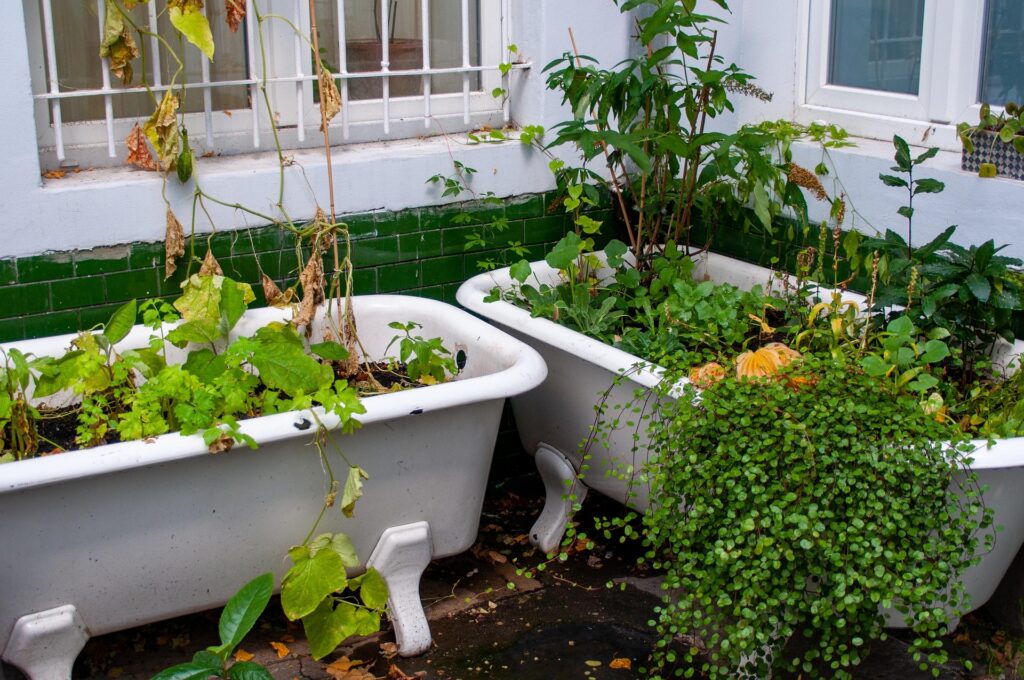
The origins of garden tubs can be traced back to ancient civilizations where bathing was regarded as both a hygienic practice and a ritual of relaxation and renewal. In early societies, soaking tubs were often placed outdoors, surrounded by gardens, natural landscapes, or open courtyards. This setting allowed bathers to connect with nature while enjoying warm water, reinforcing the idea of bathing as a restorative and almost ceremonial activity rather than a daily chore.
In ancient Rome, communal bathhouses featured large soaking pools designed for leisure, social interaction, and physical well-being. These baths were symbols of wealth, sophistication, and advanced engineering. Warm-water soaking was believed to improve circulation, relieve fatigue, and promote overall health. The Roman emphasis on luxury bathing strongly influenced later designs that prioritized comfort and spaciousness—key characteristics seen in modern garden tubs.
Similarly, Japanese bathing traditions played a significant role in shaping the concept of deep soaking tubs. The traditional ofuro was designed for full-body immersion, focusing on relaxation and mental clarity rather than washing. These tubs were often positioned near natural elements such as gardens, wooden interiors, or open-air spaces, reinforcing tranquility and mindfulness. The deep, upright soaking style of Japanese baths closely resembles the depth and purpose of today’s garden tubs.
As architectural styles evolved and indoor plumbing became widespread, the idea of outdoor soaking gradually transitioned into indoor spaces. However, the essence of luxury, depth, and relaxation was preserved. Modern garden tubs reflect this historical evolution by combining ancient bathing philosophies with contemporary materials, technology, and interior design. They continue to embody the timeless human desire for comfort, relaxation, and escape from daily stress within a private living space.
What Makes a Garden Tub Different from Regular Bathtubs
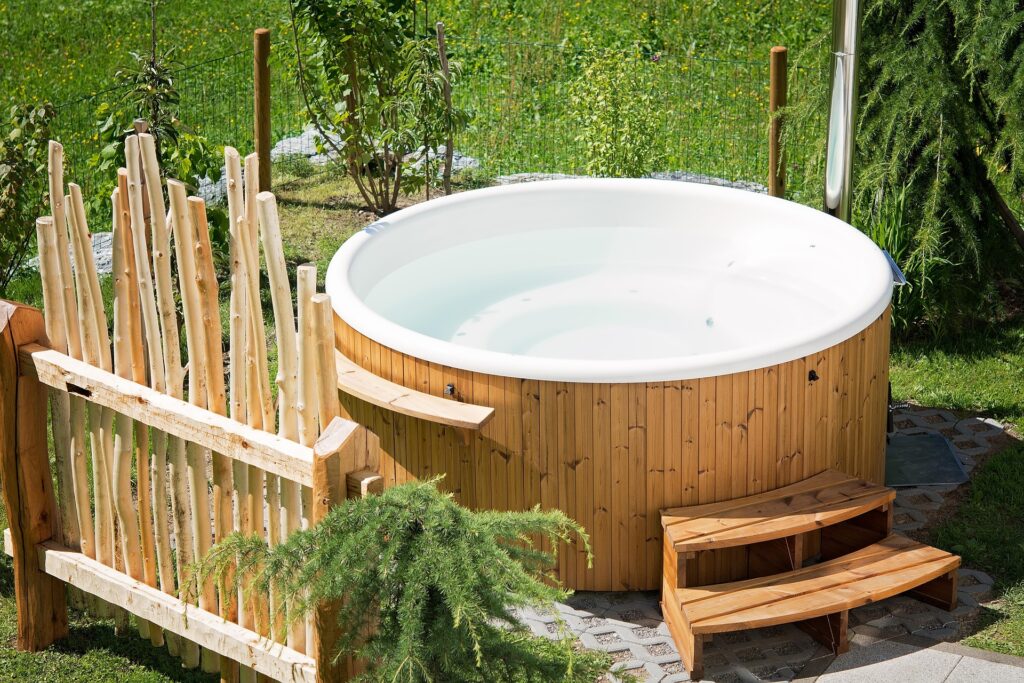
Garden tubs differ significantly from regular bathtubs in both design and purpose. The most noticeable distinction is their depth. Garden tubs are much deeper than standard bathtubs, allowing for full or near-full body immersion. This depth enhances the soaking experience, making it possible to relax muscles and joints more effectively, whereas traditional bathtubs are typically shallow and designed for quick, functional use.
Another key difference lies in their size and structure. Garden tubs are generally wider and longer, providing ample space for comfort and freedom of movement. Many garden tubs are freestanding or designed as standalone fixtures, which gives them a more luxurious and visually striking presence in a bathroom. In contrast, regular bathtubs are often built into alcoves or combined with shower units to save space and serve multiple purposes.
Functionality also sets garden tubs apart. Unlike standard bathtubs that frequently include showerheads and enclosures, garden tubs are usually dedicated solely to soaking. The absence of shower attachments emphasizes relaxation over efficiency, turning the bath into a spa-like retreat rather than a routine hygiene activity. This singular focus makes garden tubs especially appealing to individuals seeking stress relief and personal comfort.
Additionally, garden tubs often require more water and longer fill times, reflecting their role as a luxury feature rather than an everyday necessity. While regular bathtubs prioritize practicality and water efficiency, garden tubs prioritize comfort, depth, and leisure. These differences collectively highlight why garden tubs are considered a premium option for those who value relaxation and wellness in their bathing experience.
Common Materials Used in Garden Tubs
The material used in the construction of a garden tub plays a crucial role in determining its comfort, durability, appearance, and maintenance requirements. Because garden tubs are designed for long, relaxing soaks, the ability of the material to retain heat, resist wear, and maintain its finish over time is especially important. Different materials offer distinct advantages, making the selection process an important consideration for homeowners.
Acrylic is one of the most commonly used materials for garden tubs due to its lightweight nature and affordability. It is easy to install, places less stress on flooring, and is available in a wide range of shapes and finishes. Acrylic surfaces are smooth and non-porous, which makes them resistant to stains and easy to clean. However, while acrylic provides good comfort, it may be more prone to scratching compared to heavier materials.
Cast iron garden tubs are known for their exceptional durability and superior heat retention. Coated with a thick layer of enamel, these tubs maintain water temperature for extended periods, enhancing the soaking experience. Cast iron tubs are extremely long-lasting and resistant to damage, but their heavy weight often requires reinforced flooring and professional installation. Their higher cost is usually justified by their longevity and performance.
Stone resin is a premium material that combines natural stone particles with resin to create a solid, luxurious tub. These tubs offer excellent insulation, keeping bathwater warm while providing a smooth, elegant surface. Stone resin garden tubs are prized for their contemporary look and luxurious, spa-inspired experience Although they tend to be more expensive, their durability and visual appeal make them a popular choice in high-end bathroom designs.
Fiberglass is a more budget-friendly option and is often used in entry-level garden tubs. It is lightweight and easy to install, making it suitable for quick renovations. However, fiberglass is less durable than other materials and may fade, crack, or scratch over time. It also retains heat less effectively, which can shorten the soaking experience.
Types of Garden Tubs
Garden tubs are available in a variety of types, each designed to suit different bathroom layouts, space requirements, and design preferences. The choice of tub type not only affects the visual appeal of the bathroom but also influences installation methods, comfort level, and overall functionality.
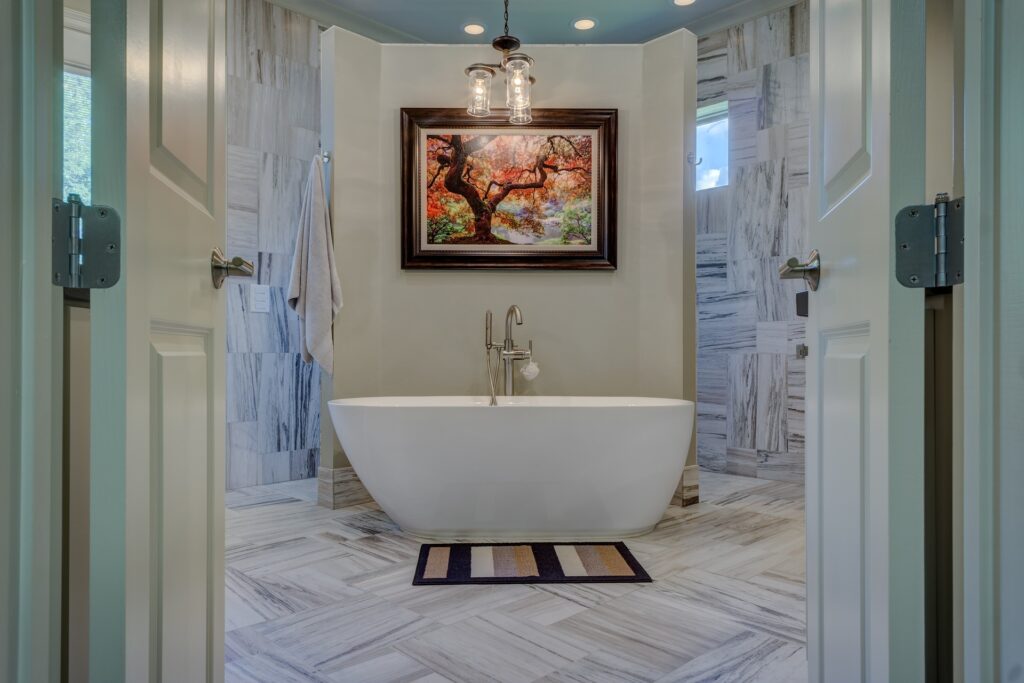
Freestanding garden tubs are among the most popular and visually striking options. These tubs stand independently without being attached to walls or surrounding structures, making them a focal point in the bathroom. They offer design flexibility and can be placed in open spaces, near windows, or in the center of the room. Freestanding tubs are ideal for large bathrooms and are often associated with luxury and spa-inspired interiors.
Drop-in garden tubs are installed into a pre-built platform or deck, with only the rim of the tub visible. This type allows for customization, as the surrounding deck can be finished with tiles, stone, or wood to match the bathroom décor. Drop-in tubs are well-suited for bathrooms where built-in designs are preferred and where additional storage or ledge space around the tub is desired.
Corner garden tubs are specifically designed to fit into corner spaces, making them a practical choice for bathrooms with limited floor area. Despite their compact placement, corner tubs still provide generous soaking depth and comfort. They often feature a triangular or angled shape, which maximizes space efficiency while maintaining a relaxing bathing experience.
Oval and round garden tubs focus primarily on aesthetic appeal and comfort. Their smooth, curved designs promote ergonomic seating and create a soft, elegant look. These shapes are commonly used in modern and minimalist bathroom designs, where visual balance and symmetry are important. Oval and round tubs also enhance the feeling of relaxation by allowing natural body alignment during soaking.
Size and Depth Considerations
Size and depth are critical factors when selecting a garden tub, as these features directly influence comfort, usability, and installation requirements. Garden tubs are crafted to be bigger than regular bathtubs, offering a more spacious and deeper soaking experience. Their depth typically ranges from 18 to 24 inches or more, allowing users to immerse most of their body in warm water, which enhances relaxation and therapeutic benefits.
The overall length and width of a garden tub also exceed those of conventional tubs. This additional space allows users to stretch out comfortably without feeling restricted. However, the larger dimensions mean that garden tubs are best suited for bathrooms with ample floor space. Without proper planning, an oversized tub can make a bathroom feel cramped and disrupt movement within the area.
Accurate measurement of the bathroom is essential before installation. Factors such as door clearance, surrounding fixtures, and walking space around the tub must be considered to ensure accessibility and safety. Adequate clearance around the tub allows for easy entry and exit, cleaning, and maintenance. It also contributes to a balanced and functional bathroom layout.
In addition to physical space, the depth of the tub affects water usage and structural requirements. Deeper tubs hold more water, which may require a stronger floor structure and a water heater capable of supplying sufficient hot water. Therefore, careful consideration of size and depth ensures that the garden tub not only fits well within the bathroom but also functions efficiently and comfortably over the long term.
Installation Requirements
Installing a garden tub is a complex process that typically requires professional expertise due to the tub’s size, weight, and water capacity. Unlike standard bathtubs, garden tubs place greater demands on a home’s structural and plumbing systems, making careful planning essential before installation begins.
One of the most important considerations is floor strength. Garden tubs, especially when filled with water and occupied, can become extremely heavy. Materials such as cast iron or stone resin add even more weight. In many cases, the bathroom floor must be reinforced to safely support the load. This is particularly important for upper-level bathrooms, where inadequate structural support could lead to long-term damage or safety risks.
Plumbing access is another critical factor. Garden tubs require larger water supply lines to fill efficiently and proper drainage systems to handle the increased water volume. The placement of existing plumbing may need to be modified to accommodate the tub’s design and location. Professional plumbers ensure that pipes, valves, and drains are installed correctly to prevent leaks and maintain consistent water pressure.
The water heater capacity must also be evaluated before installing a garden tub. Because these tubs hold significantly more water than standard bathtubs, a traditional water heater may not be sufficient to provide a full tub of hot water. In some cases, upgrading to a larger or tankless water heater is necessary to ensure a comfortable soaking experience.
Water Capacity and Usage
One of the defining features of a garden tub is its large water capacity, which significantly exceeds that of standard bathtubs. While a conventional bathtub typically holds between 40 to 60 gallons of water, garden tubs can hold anywhere from 70 to 120 gallons—or even more—depending on their size and depth. This larger volume allows users to fully immerse themselves, creating a luxurious and therapeutic soaking experience that promotes relaxation and stress relief.
However, the increased water capacity also comes with practical considerations. Filling a garden tub requires more time, which can impact daily routines if used frequently. Additionally, the higher water usage can affect both utility bills and environmental sustainability. Homeowners who prioritize water efficiency may need to limit soak times or adopt water-saving habits to offset the additional consumption.
Another important factor is hot water supply. Since garden tubs hold a substantial volume of water, the home’s water heater must be capable of providing enough hot water to fill the tub completely at a comfortable temperature. Inadequate water heater capacity may result in lukewarm water, diminishing the relaxing experience. In some cases, upgrading to a larger water heater or installing a tankless system may be necessary to ensure a full, warm soak.
Health and Relaxation Benefits
Soaking in a garden tub provides far more than just a luxurious experience; it offers numerous physical and mental health benefits. The combination of warm water, deep immersion, and spacious design makes garden tubs particularly effective for promoting relaxation and well-being.
Reduced Muscle Tension: Immersing the body in warm water helps relax muscles and relieve tension. The heat increases blood flow to sore or stiff areas, easing discomfort caused by muscle strain, long periods of sitting, or physical activity. For individuals with conditions like arthritis or general body fatigue, regular soaks in a garden tub can significantly reduce discomfort and improve mobility.
Improved Blood Circulation: Warm water immersion dilates blood vessels, enhancing circulation throughout the body. Better circulation ensures that oxygen and nutrients are delivered more efficiently to muscles and organs, which can promote faster recovery after exercise and support overall cardiovascular health.
Stress and Anxiety Relief: The tranquil environment created by a garden tub—often combined with dim lighting, soothing scents, or music—helps reduce stress and anxiety. Immersion in warm water triggers the body’s relaxation response, lowering cortisol levels and promoting a sense of calm. This makes garden tubs an effective tool for mental wellness and mindfulness practices.
Better Sleep Quality: Regular soaking in a garden tub before bedtime can help regulate body temperature and relax the nervous system, making it easier to fall asleep. Warm water baths have been shown to improve sleep onset and quality, particularly for those who struggle with insomnia or disrupted sleep patterns.
Therapeutic Uses: Beyond relaxation, garden tubs are often recommended for mild pain relief. Warm water can soothe joint pain, reduce stiffness, and alleviate minor aches, making these tubs beneficial for those with chronic conditions or recovering from injuries.
Design and Aesthetic Appeal
Garden tubs are widely regarded as a luxury feature in modern bathrooms, not only for their functional benefits but also for their ability to elevate the overall design and aesthetic of the space. Unlike standard bathtubs, which are often hidden or integrated into a shower enclosure, garden tubs are designed to be a visual focal point, drawing attention and creating a sense of elegance and sophistication.
Elegant Designs: Garden tubs come in a variety of shapes and finishes, including freestanding, oval, round, and corner models. Many feature smooth curves, sculpted edges, or intricate exterior panels that add to their aesthetic appeal. Materials such as stone resin, cast iron, and acrylic can be finished in glossy, matte, or textured surfaces, allowing homeowners to match the tub with the overall theme of the bathroom.
Centerpiece Potential: Due to their size and distinctive shape, garden tubs are often positioned as the centerpiece of a bathroom. Whether placed near a window with natural light, in the center of a master bathroom, or surrounded by decorative tile or wooden decking, the tub can define the room’s layout and style. This makes it an ideal feature for spa-inspired, modern minimalist, or classic luxury bathrooms.
Flexible Design Compatibility: Garden tubs suit a variety of interior décor styles. In modern bathrooms, sleek freestanding tubs contribute to a clean, minimalistic look. In traditional or classic bathrooms, ornate tubs with detailed finishes can enhance elegance. Spa-inspired interiors benefit from tubs with deep, ergonomic designs that emphasize relaxation and tranquility.
Enhanced Ambiance: Beyond their physical appearance, garden tubs contribute to the overall ambiance of the bathroom. The tub’s presence invites relaxation and leisure, encouraging the space to feel more like a personal retreat than just a functional area. Paired with appropriate lighting, décor, and accessories, a garden tub can transform an ordinary bathroom into a luxurious sanctuary.
Maintenance and Cleaning
Proper maintenance is essential to ensure that a garden tub remains both hygienic and visually appealing over time. Due to their size, depth, and frequent use, garden tubs require regular care to prevent the buildup of soap scum, mineral deposits, and bacteria. Following the right cleaning and maintenance practices not only extends the lifespan of the tub but also preserves its luxurious appearance.
Regular Cleaning: To maintain hygiene, garden tubs should be cleaned at least once a week or after heavy use. Warm water combined with mild, non-abrasive cleaners is recommended. Avoid harsh chemicals or abrasive scrubbers, as these can damage the tub’s surface, especially in acrylic, stone resin, or fiberglass models. Using a soft cloth, sponge, or brush designed for delicate surfaces ensures effective cleaning without scratches.
Material-Specific Care: Different materials require specific maintenance:
- Acrylic: Use gentle, non-abrasive cleaners; avoid harsh scrubbing to prevent scratches.
- Cast Iron: Clean with mild detergents; avoid metal scrubbers that can chip the enamel.
- Stone Resin: Wipe with a soft cloth and mild soap; avoid acidic or abrasive substances that can dull the finish.
- Fiberglass: Clean with non-abrasive products; regular polishing can help maintain shine.
Preventing Stains and Discoloration: Rinsing the tub thoroughly after each use helps prevent soap residue, mineral deposits, or bath oils from staining the surface. Tubs with a glossy surface can benefit from occasional polishing to preserve their shine and visual appeal.
Maintenance of Plumbing and Fixtures: Alongside surface care, it’s important to maintain faucets, drains, and overflow mechanisms. Regular inspection for leaks, buildup, or corrosion ensures that the tub functions efficiently and prevents long-term damage.
By following these maintenance practices, homeowners can enjoy the comfort, beauty, and longevity of their garden tubs while ensuring a safe and clean bathing environment. Proper care preserves the tub’s luxurious appearance and enhances the overall bathing experience.
Cost and Budget Considerations
When planning for a garden tub, understanding the cost factors is essential to ensure that the investment aligns with your budget and expectations. The price of a garden tub can vary widely based on its size, material, design, and brand, as well as the complexity of installation and additional modifications required.
Material and Size: High-end materials like cast iron or stone resin generally cost more than acrylic or fiberglass. Larger tubs, particularly deep or freestanding models, also tend to be more expensive due to the additional material and manufacturing complexity. Budget-conscious homeowners may choose mid-range acrylic tubs, which provide comfort and durability at a lower price point.
Brand and Design: Premium brands with luxury finishes, ergonomic designs, or custom features can significantly increase the overall cost. Designer or custom tubs often come with unique shapes, built-in seating, or aesthetic detailing, which adds both style and price.
Installation Costs: Professional installation is almost always required for garden tubs, especially freestanding or heavy models. Installation costs can include floor reinforcement, plumbing modifications, and water heater adjustments to handle the tub’s larger water capacity. These additional costs may sometimes equal or exceed the price of the tub itself.
Long-Term Water Usage: Garden tubs hold significantly more water than standard tubs, which can affect utility bills over time. Homeowners should factor in the cost of heating and using larger volumes of water, particularly if the tub will be used frequently for soaking and relaxation.
Budget Planning Tips:
- Include the tub cost, installation, and potential plumbing upgrades in your budget.
- Consider ongoing maintenance and water usage costs.
- Compare different materials and brands to balance cost, durability, and luxury.
Environmental Considerations
While garden tubs provide luxurious comfort and therapeutic benefits, their environmental impact is an important factor to consider. One of the primary concerns is their high water consumption. Because garden tubs are larger and deeper than standard bathtubs, filling them requires significantly more water—often ranging from 70 to 120 gallons per use. Frequent use can lead to increased water and energy consumption, contributing to higher utility bills and a larger ecological footprint.
Water Efficiency Practices: To minimize environmental impact, homeowners can adopt several water-efficient habits:
- Limit Soak Time: Reducing the duration of each soak helps conserve water without compromising relaxation.
- Partial Fills: In some cases, filling the tub partially rather than to maximum capacity can still provide comfort while saving water.
- Regular Plumbing Maintenance: Leaks, drips, or inefficient faucets can waste large amounts of water over time. Ensuring plumbing systems are in good condition reduces unnecessary water loss.
- Energy-Efficient Water Heating: Using energy-efficient water heaters or scheduling baths when hot water is readily available can reduce the energy required to heat large volumes of water.
Eco-Friendly Materials: Choosing garden tubs made from sustainable or recyclable materials can further reduce environmental impact. Materials such as recycled acrylic or eco-conscious composites offer durability while minimizing resource consumption during production.
Ideal Homes and Users for Garden Tubs
Garden tubs are a perfect choice for homeowners who value relaxation, comfort, and luxury in their living spaces. Due to their larger size, depth, and design focus on soaking rather than quick bathing, these tubs are most suitable for bathrooms with ample floor space, such as master suites or primary bathrooms. Homes with smaller or compact bathrooms may find it challenging to accommodate the dimensions of a garden tub without compromising accessibility or aesthetic balance.
Master Bathrooms and Luxury Homes: Garden tubs are particularly popular in master bathrooms, where homeowners often prioritize creating a personal retreat. Their generous soaking depth and refined design enhance upscale fixtures, spa-style arrangements, and elegant décor. Luxury homes frequently feature freestanding or designer garden tubs as focal points, adding both functional comfort and visual appeal.
Spa-Inspired Residential Designs: For those who enjoy wellness and self-care, garden tubs provide a spa-like experience at home. Their ergonomic design, combined with options for deep immersion and optional features like whirlpool jets, enhances relaxation, reduces stress, and promotes overall well-being. Homeowners who incorporate elements such as soft lighting, natural materials, or aromatherapy can fully transform their bathroom into a restorative space.
Families and Individuals: While garden tubs are ideal for adults seeking relaxation, they are also appreciated by families who want a versatile bathing option for children. However, due to their size and water requirements, they are generally better suited for occasional use rather than daily high-volume usage in busy households.
Conclusion
Garden tubs are more than just a functional bathroom fixture—they are a symbol of comfort, luxury, and wellness. By combining deep soaking capabilities with elegant design, these tubs offer both therapeutic benefits and aesthetic appeal, transforming ordinary bathrooms into personal retreats. The ability to fully immerse the body in warm water promotes relaxation, reduces stress, and supports overall well-being, making garden tubs a valuable addition to homes focused on comfort and self-care.
While garden tubs require ample space, thoughtful investment, and regular maintenance, the rewards often outweigh the challenges. Their presence can elevate the visual appeal of a bathroom, serve as a focal point in interior design, and provide a spa-like experience in the convenience of one’s home.
In both educational and lifestyle settings, garden tubs demonstrate the blend of design, wellness, and practical use. They demonstrate how intentional architectural choices and material selection can enhance quality of life, promote relaxation, and contribute to a well-designed, aesthetically pleasing environment. Ultimately, garden tubs show how well-planned home design can enhance everyday life, providing both comfort and long-term value.
FAQs
1. What is a garden tub?
A garden tub is an oversized, deep bathtub made for soaking and relaxation, allowing for full or nearly full-body immersion and often regarded as a luxury addition in contemporary bathrooms.
2. What sets a garden tub apart from a regular bathtub?
Garden tubs are deeper, wider, and often freestanding. They are designed for soaking rather than quick bathing and usually do not include shower attachments, focusing on comfort and relaxation.
3. Which materials are typically used to make garden tubs?
Garden tubs are commonly constructed from materials such as acrylic, cast iron, stone resin, or fiberglass. Each material affects durability, heat retention, appearance, and maintenance requirements.
4. What types of garden tubs are available?
Freestanding, drop-in, corner, oval, and round are among the most common types of garden tubs. The selection is influenced by the bathroom’s layout, available space, and personal design preferences.
5. What is the water capacity of a garden tub?
Garden tubs usually contain between 70 and 120 gallons of water, depending on their dimensions and depth. Bigger tubs offer a more immersive bathing experience but need adequate water supply and heating capacity.
6. Is it possible to install a garden tub in a small bathroom?
Because of their larger size, garden tubs need plenty of space. For small bathrooms, corner or compact designs may be suitable, but freestanding or oversized tubs usually need spacious layouts.
7. What are the health benefits of using a garden tub?
Bathing in a garden tub can help ease muscle tension, enhance blood flow, reduce stress and anxiety, and support improved sleep quality. Warm water immersion also provides mild pain relief for joints and muscles.
8. What is the proper way to clean and maintain a garden tub?
Regular cleaning with non-abrasive, material-appropriate cleaners is recommended. After each use, rinse the tub well, steer clear of strong chemicals, and regularly care for the plumbing and fixtures to keep it clean and durable.
9. Do garden tubs require professional installation?
Yes. Because of their large size, heavy weight, and high water capacity, garden tubs typically require professional installation. Consider floor reinforcement, plumbing access, and water heater capacity when planning installation.
10. Are garden tubs environmentally friendly?
Garden tubs use more water than standard tubs, which can impact the environment. Water-efficient practices, like limiting soak time and proper plumbing maintenance, can help reduce water and energy usage.
11. How much does a garden tub cost?
Prices vary depending on size, material, and brand. Basic acrylic models may be moderate in price, while high-end cast iron or stone resin tubs can be expensive. The budget should also account for installation, potential plumbing upgrades, and increased water usage.
12. Who should consider installing a garden tub?
Garden tubs are perfect for homeowners seeking relaxation, sufficient bathroom space, and a spa-like experience at home. They are commonly featured in master bathrooms, luxury homes, and spa-inspired interiors.