
Introduction
Labster in the digital learning era, technology continues to reshape how students explore and understand science. One of the most innovative tools driving this transformation is Labster, a virtual science laboratory platform that delivers immersive and realistic lab experiences directly to computers and classrooms. By providing interactive simulations that replicate real-world experiments, Virtual Lab Platform empowers students to engage with complex scientific concepts in a dynamic and accessible way. Whether used for online learning, pre-lab preparation, or as a supplement to physical laboratory sessions, Labster is revolutionizing how learners interact with STEM subjects and enhancing the overall educational experience.
What Is Labster?
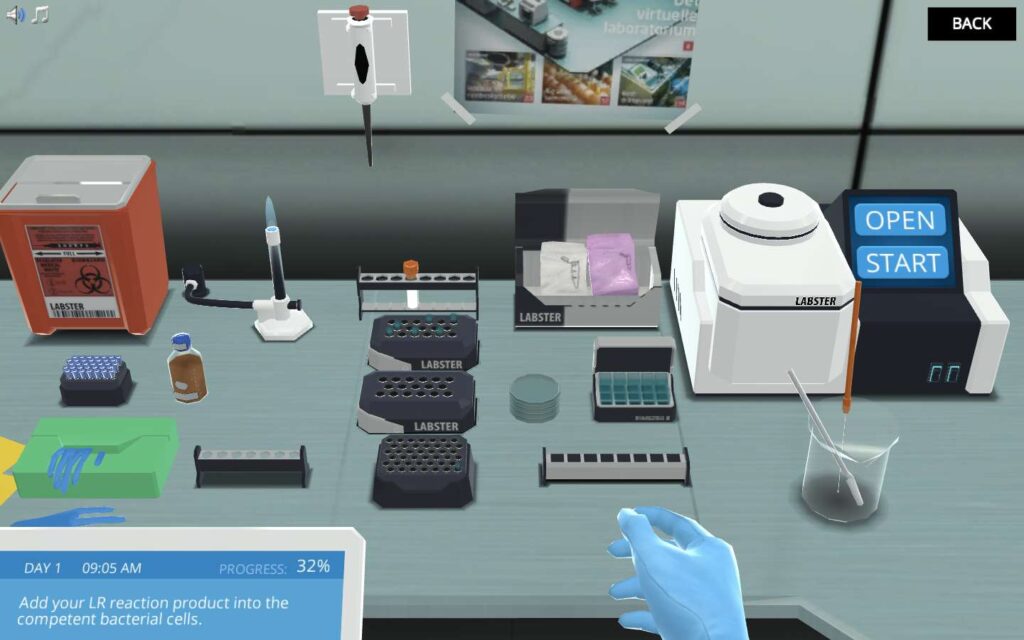
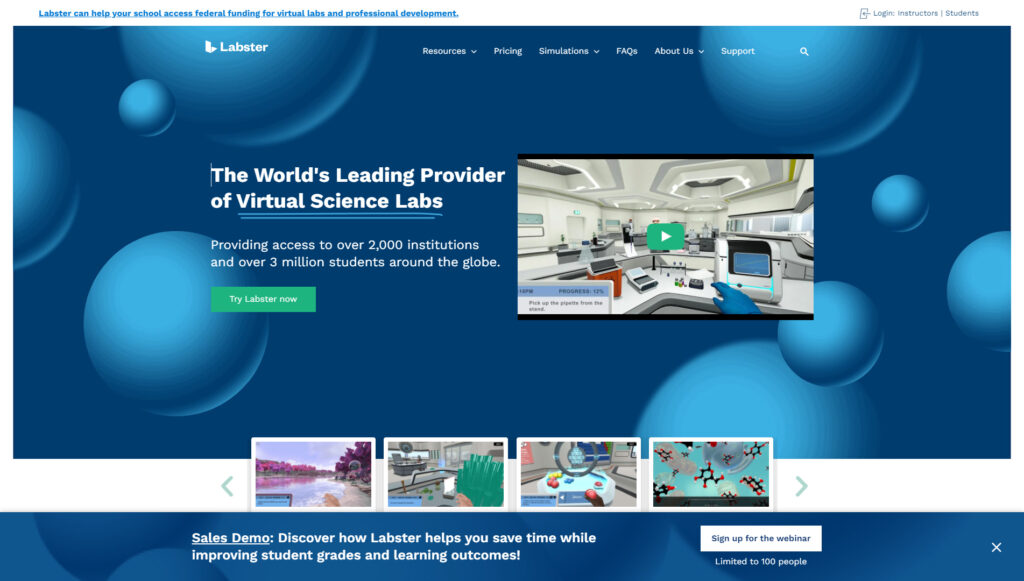
Labster is an advanced virtual science lab platform that provides interactive 3D simulations across a wide range of STEM disciplines. Launched in 2011 and based in Copenhagen, the platform was created with the goal of making science education more accessible, engaging, and effective for learners everywhere.
Through Labster’s digital laboratory environment, students can interact with scientific equipment, conduct experiments, and solve complex problems—all without the need for costly physical setups or safety concerns. Covering subjects such as biology, chemistry, physics, and health sciences, the virtual lab platform delivers a realistic and immersive learning experience suitable for both in-person and remote education settings.
How Labster Works
Labster combines scientific accuracy with engaging design to create a hands-on digital learning experience. Here’s how it functions:
1. Immersive 3D Simulations
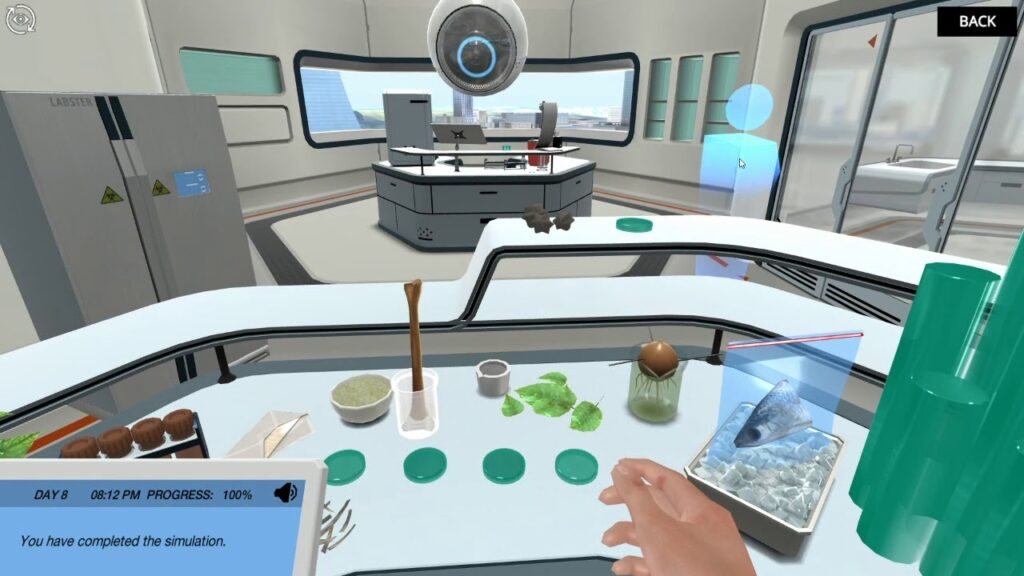
Labster allows students to practice scientific experiments using interactive 3D simulations that replicate real laboratory environments. These virtual environments closely replicate actual laboratory settings, allowing learners to perform experiments and practice techniques just as they would in a physical lab. This hands-on digital experience helps students build confidence, deepen understanding, and strengthen their scientific skills in a safe and accessible way.
2. Scenario-Based Learning
Labster’s simulations are built around real-world scientific scenarios that require students to analyze problems, run experiments, and apply scientific principles to find solutions. This approach encourages critical thinking, strengthens problem-solving skills, and helps learners connect theoretical knowledge with practical applications. By working through realistic challenges, students gain a deeper understanding of STEM concepts in a dynamic and engaging way.
3. Embedded Quizzes
Throughout each the virtual lab platform simulation, students encounter embedded quiz questions designed to test their comprehension and reinforce key scientific concepts. These assessments appear at crucial moments during the virtual experiments, ensuring that learners stay engaged and actively process the material. The quizzes are automatically graded, providing instant feedback to students while saving instructors valuable time on evaluation and manual scoring.
4. LMS Integration
Labster integrates seamlessly with popular learning management systems such as Canvas, Blackboard, Moodle, and Google Classroom. This compatibility allows instructors to assign virtual labs directly through their course platforms, monitor student activity, and track progress with ease. Additionally, grades from the virtual lab platform simulations can be automatically synced to the LMS, streamlining course management and simplifying the overall teaching workflow.
5. Data & Analytics
Labster provides teachers with access to detailed dashboards that display individual and class-wide performance data. Through these analytics tools, instructors can monitor student engagement, review completion rates, and identify areas where learners may need additional support. This data-driven insight helps educators make informed decisions, tailor their instruction, and enhance the overall effectiveness of their STEM courses.
Subjects and Simulation Library
Labster features an extensive collection of over 300 virtual lab simulations designed to support a wide range of STEM disciplines. These subjects include:
- Biology
- Chemistry
- Physics
- Microbiology
- Anatomy & Physiology
- Biochemistry
- Environmental Science
- Engineering
- Health Sciences
The simulations cater to learners at various academic levels, from high school students to undergraduates and even professional trainees. Each module is enriched with detailed theory pages, scientific images, animations, and step-by-step instructions, helping students build a strong conceptual foundation while gaining practical experience in a realistic virtual environment.
Benefits of Labster
Labster offers powerful educational advantages for both instructors and students.
1. Accessible and Safe Learning
Labster allows students to conduct experiments that might be too dangerous, costly, or impractical in a traditional laboratory setting. By providing a virtual environment, learners can safely explore complex scientific procedures, make mistakes, and experiment freely without risk. This accessibility ensures that all students, regardless of resources or location, can engage fully with hands-on science learning.
2. Accessible and Safe Learning
Labster allows students to conduct experiments that might be too dangerous, costly, or impractical in a traditional laboratory setting. By providing a virtual environment, learners can safely explore complex scientific procedures, make mistakes, and experiment freely without risk. This accessibility ensures that all students, regardless of resources or location, can engage fully with hands-on science learning.
3. Improved Academic Performance
Studies and internal analytics indicate that students using the virtual lab platform achieve stronger comprehension of scientific concepts, higher grades, and lower dropout rates. The interactive and engaging nature of the simulations helps learners retain information more effectively and apply knowledge in practical scenarios, ultimately enhancing overall academic success in STEM subjects.
4. Cost-Effective
Labster offers a cost-efficient solution for science education by minimizing the need for expensive lab materials, equipment, and maintenance. Institutions can provide high-quality laboratory experiences without the significant financial burden of traditional labs, making STEM education more accessible and affordable for both schools and students.
5. Supports Remote and Hybrid Learning
Labster is an ideal tool for students who lack physical access to laboratory facilities. Its virtual simulations allow learners to continue their science education from anywhere, supporting both remote and hybrid learning environments. This flexibility ensures that all students can participate in hands-on scientific exploration regardless of location or circumstance.
6. Saves Teacher Time
Labster streamlines teaching and assessment by offering automatic grading, built-in feedback, and seamless LMS integration. Instructors can easily assign simulations, track student progress, and evaluate performance without spending excessive time on manual grading, allowing them to focus more on teaching and student support.
Pricing and Subscription Options
Labster offers several subscription tiers:
• Labster Explorer
The virtual lab platform Explorer plan is designed for small groups or individual learners. It provides access to approximately 10 virtual lab simulations and includes seamless LMS integration, allowing students to engage with interactive STEM content while enabling instructors to monitor progress and manage assignments efficiently.
• Labster Advanced
The Labster Advanced plan offers access to a larger library of simulations along with additional services, including onboarding support and comprehensive analytics tools. This plan is ideal for institutions or educators looking to provide a more extensive and supported virtual lab experience for their students.
• Labster Elite
The virtual lab platform Elite plan provides full access to all 300+ simulations, along with priority support, advanced administrative tools, and unlimited student seats. This comprehensive package is ideal for institutions seeking a complete virtual lab solution that can accommodate large-scale programs and offer robust support for both educators and learners.
Pricing varies depending on class size and licensing type.
Challenges and Limitations
While Labster is widely praised, there are some common concerns:
1. Technical Performance
While Labster offers a highly interactive experience, some users have reported occasional technical challenges, such as lag, browser compatibility issues, or high CPU usage on older devices. Ensuring that hardware and software meet recommended specifications can help provide a smoother and more seamless virtual lab experience.
2. Not a Complete Replacement
Although Labster provides realistic and interactive virtual labs, it cannot fully substitute for physical laboratory experiences. Certain skills—such as hands-on equipment handling, tactile techniques, and real-world experimentation—still require in-person practice to develop proficiency and confidence.
3. Pricing Transparency
While Labster offers a range of subscription plans, some institutions note that detailed pricing information often requires direct contact with the company. Despite this, the platform’s educational value remains significant, particularly for remote learning environments or schools with limited access to physical lab resources.
Where Labster is Most Useful
Labster is particularly valuable in a variety of educational contexts, including:
- Remote Science Learning: Enables students to access virtual labs from anywhere.
- Pre-Lab Preparation: Helps learners familiarize themselves with experiments before entering a physical lab.
- Supplementary Practice: Provides additional practice after in-person lab sessions.
- Safety Training: Allows students to safely conduct hazardous or high-risk experiments.
- Assessment and Review: Facilitates evaluation and reinforcement of scientific concepts.
- Schools with Limited Resources: Offers a cost-effective alternative for institutions lacking extensive lab facilities.
Its versatility makes the virtual lab platform suitable for both individual study and large-scale academic programs, supporting a wide range of learners and instructional needs.
Future of Labster
The virtual lab platform is continuously evolving to meet the growing demands of modern education. Future developments include:
- Expanded STEM Simulations: Increasing the variety and depth of virtual lab experiences.
- Improved Accessibility Features: Enhancing usability for students with diverse learning needs.
- Increased Language Support: Making simulations accessible to learners worldwide.
- Enhanced Integrations and Analytics: Providing better tools for instructors to track and assess student progress.
- AI-Driven Personalized Learning (In Development): Tailoring simulations to individual student needs for more effective learning outcomes.
This ongoing growth underscores the rising demand for flexible, technology-driven solutions in STEM education, ensuring Labster remains at the forefront of virtual learning innovation.
Conclusion
Labster is transforming STEM education by providing a dynamic and interactive alternative to traditional laboratories. Its virtual simulations make science learning more accessible, engaging, and cost-effective, benefiting students, educators, and institutions alike. While it cannot fully replace hands-on lab experiences, the virtual lab platform significantly enhances learning by allowing students to safely practice experiments and explore scientific concepts in an immersive environment.
Whether implemented in high schools, universities, or online programs, the virtual lab platform is at the forefront of shaping the future of digital science education, empowering learners to build skills, confidence, and knowledge in innovative ways.
FAQs
1. What is the virtual lab platform?
The virtual lab platform is a virtual science laboratory platform that provides interactive 3D simulations for STEM education, allowing students to conduct experiments and explore scientific concepts in a digital environment.
2. Which subjects does the virtual lab platform cover?
The virtual lab platform offers over 300 simulations across subjects including biology, chemistry, physics, microbiology, anatomy & physiology, biochemistry, environmental science, engineering, and health sciences.
3. Who can use the virtual lab platform?
The virtual lab platform is suitable for high school students, undergraduate learners, and professional-level trainees. It can be used in classrooms, online courses, or for individual study.
4. Can the virtual lab platform replace physical labs?
While the virtual lab platform provides realistic and immersive simulations, it cannot fully replace hands-on labs, which are essential for developing tactile skills, equipment handling, and real-world experimentation.
5. How does the virtual lab platform support teachers?
The virtual lab platform saves teacher time through automatic grading, built-in feedback, LMS integration, and detailed analytics dashboards for tracking student performance and engagement.
6. What subscription plans are available?
The virtual lab platform offers three main plans:
- Labster Explorer: Access to ~10 simulations for small groups or individual students.
- Labster Advanced: Larger simulation library, onboarding support, and analytics tools.
- Labster Elite: Full access to all 300+ simulations, priority support, advanced administrative tools, and unlimited seats.
7. Is the virtual lab platform suitable for remote learning?
Yes, the virtual lab platform is ideal for remote and hybrid learning environments, allowing students to perform experiments and engage with STEM content from anywhere.
8. Are there technical requirements to use the virtual lab platform?
The virtual lab platform works best on modern browsers like Chrome or Firefox. Some users may experience lag or high CPU usage on older devices, so meeting recommended hardware and software specifications is important.
9. Does the virtual lab platform offer multilingual support?
Yes, the virtual lab platform is expanding its language support to make simulations accessible to students worldwide.
10. How is student performance measured?
Performance is assessed through embedded quizzes in simulations, and teachers can monitor progress using the virtual lab platform analytics dashboards.