
Introduction
Addition Pizza learning mathematics can often feel challenging and uninteresting for young students, especially when numbers are taught only through textbooks and repetition. Children at an early age learn best when lessons are connected to real-life experiences they already understand. This is where creative teaching methods play a crucial role in making math both accessible and enjoyable.
Addition Pizza is an innovative educational concept that uses the idea of pizza slices to explain basic addition. Instead of abstract numbers, students visualize numbers as slices of pizza, making it easier to see how quantities combine. When children “add” slices together, they can instantly understand the total, turning a mathematical problem into a simple and fun activity.
This approach is particularly effective because pizza is familiar and exciting for most children. By associating math with something they enjoy, students become more engaged and less intimidated by numbers. The visual nature of addition pizza also supports different learning styles, especially visual and kinesthetic learners.
Furthermore, addition pizza encourages active participation rather than passive memorization. Students interact with the concept by counting, grouping, and combining slices, which strengthens their understanding of addition. As a result, learning becomes more meaningful, memorable, and enjoyable for young learners.
What Is Addition Pizza?
Addition Pizza is a creative and interactive teaching strategy designed to help students understand basic addition through visual representation. In this method, pizza slices are used to represent numbers, allowing learners to physically or visually combine slices to find the total. This transforms abstract mathematical symbols into something concrete and easy to understand.
Instead of solving addition problems only on paper, students work with pizza models—either real, printed, or digital. For example, when a child adds three slices to two slices, they can clearly see that the total becomes five slices. This visual process helps learners grasp the concept of addition without confusion or frustration.
The strength of addition pizza lies in its simplicity. By using a familiar object like pizza, numbers stop feeling intimidating. Students naturally engage with the activity because it feels more like play than traditional learning. This increases focus, confidence, and willingness to participate in math lessons.
Why Use Addition Pizza in Education?
Traditional teaching methods often rely heavily on textbooks, worksheets, and memorization, which can make mathematics feel boring and difficult for many students. Young learners, in particular, struggle to stay focused when lessons lack interaction or real-world relevance. This is why educators are increasingly turning to creative approaches like addition pizza to improve student engagement.
Addition pizza makes learning more interactive by combining visual elements with hands-on practice. When students physically see or manipulate pizza slices to solve addition problems, they become active participants in the learning process. This interactive experience helps students understand concepts faster and keeps their attention longer than traditional methods.
Another important reason to use addition pizza in education is motivation. Children are naturally drawn to colorful and familiar objects, and pizza is something most students already enjoy. Associating math with something fun reduces fear and frustration, encouraging students to approach addition with confidence and curiosity.
Additionally, addition pizza supports deeper learning by helping students connect numbers to real-life situations. Instead of memorizing answers, learners develop a clear understanding of how addition works. This strong conceptual foundation not only improves current performance but also prepares students for more advanced mathematical skills in the future.
How Addition Pizza Helps Children Understand Addition
Understanding addition can be difficult for children when numbers are taught only as symbols on a page. Addition pizza simplifies this process by turning numbers into visual and meaningful objects. When children see pizza slices being combined, they can clearly understand how two or more numbers come together to form a total.
This visual representation allows students to see the result of addition instead of imagining it. For example, adding two slices and three slices instantly shows five slices on the pizza. This hands-on experience reduces confusion and helps children grasp the concept of addition naturally and effectively.
Addition pizza also supports step-by-step learning. Children can count slices one by one, group them, and then observe the final result. This method strengthens number sense and helps students understand the relationship between individual numbers and their sum.
Moreover, addition pizza builds confidence in young learners. As children successfully solve problems using a familiar and friendly approach, they feel encouraged and less afraid of making mistakes. This positive learning experience helps develop a strong foundation in addition that supports future math learning.
Benefits of Addition Pizza for Early Learners
Addition pizza offers many educational benefits, especially for early learners who are just beginning their math journey. At this stage, children need clear and simple explanations, and the visual nature of addition pizza makes numbers easier to understand. By using pizza slices, students can quickly recognize quantities and learn how numbers combine.
One major benefit of addition pizza is that it strengthens number sense. Early learners practice counting, grouping, and adding in a natural way. Instead of memorizing answers, children develop an understanding of how numbers work together, which is essential for long-term mathematical success.
Addition pizza also improves student engagement and attention. Young learners often lose focus during traditional lessons, but interactive activities keep them involved. The fun and familiar pizza theme makes students excited to participate, turning math lessons into an enjoyable experience.
Addition Pizza as a Visual Learning Tool
Visual learning plays a crucial role in early education, and addition pizza is an excellent example of an effective visual teaching tool. Many children understand concepts faster when they can see them rather than only hear explanations. By representing numbers as pizza slices, addition becomes clear, simple, and easy to remember.
Addition pizza allows students to visually observe how quantities combine. When slices are added together, learners can immediately see the total without relying on abstract symbols. This helps bridge the gap between concrete objects and mathematical concepts, making addition more meaningful.
For kinesthetic and visual learners in particular, this method is advantageous. Students can point to, move, or draw pizza slices, which strengthens memory and understanding. The act of interacting with visuals helps reinforce learning and improves retention over time.
Furthermore, visual tools like addition pizza support inclusive learning environments. Students with different learning abilities can all benefit from clear and colorful representations. As a result, addition pizza helps ensure that no learner is left behind while developing essential math skills.
Using Addition Pizza in the Classroom
Addition pizza can be easily integrated into classroom lessons to make math more interactive and enjoyable. Teachers can use paper cut-out pizza slices, whiteboard drawings, or digital visuals to demonstrate addition problems. These materials help students actively participate instead of passively watching or listening.
In a classroom setting, addition pizza works well for group activities. Teachers can divide students into small groups and ask them to solve addition problems by combining pizza slices together. This encourages collaboration, discussion, and peer learning, which strengthens understanding and communication skills.
Addition pizza also allows teachers to assess student understanding in a simple way. By observing how students add slices, teachers can quickly identify who understands the concept and who may need extra support. This makes it easier to adjust teaching strategies based on student needs.
Moreover, using addition pizza in the classroom creates a positive learning environment. Students feel relaxed and motivated, which improves focus and participation. When math lessons are fun and engaging, students develop a more positive attitude toward learning and gain confidence in their abilities.
Addition Pizza for Homeschooling Parents
Addition pizza is an excellent learning tool for homeschooling parents who want to make math lessons more engaging and effective. At home, children often learn better when lessons feel relaxed and playful rather than strict and formal. Using pizza slices to teach addition turns math into a fun activity instead of a difficult subject.
Homeschooling parents can easily create addition pizza using simple materials such as paper cutouts, drawings, or printable worksheets. Some parents even use real pizza slices or toy food to make lessons more interactive. These hands-on activities help children understand addition through real-life examples they can see and touch.
Another advantage of addition pizza in homeschooling is flexibility. Parents can adjust the pace of learning according to their child’s understanding. If a child struggles with a concept, parents can repeat the activity in different ways until the child feels confident, without pressure or comparison.
Additionally, addition pizza strengthens the parent-child learning bond. Working together on fun math activities builds trust and communication while improving academic skills. This approach not only teaches addition effectively but also creates a positive and enjoyable learning experience at home.
Digital Addition Pizza Games and Apps
In today’s digital world, addition pizza has been transformed into interactive online games and educational apps. These digital platforms allow children to practice addition by dragging and dropping pizza slices on the screen, making math lessons more engaging and technology-friendly. The gamified approach motivates students to learn while having fun.
Digital addition pizza games provide instant feedback, which is crucial for effective learning. When a child combines slices incorrectly, the app shows the mistake immediately, helping the student understand and correct it. This immediate reinforcement strengthens learning and builds confidence in addition skills.
These apps often include different levels of difficulty, allowing children to progress gradually. Beginners can start with simple sums, while advanced learners can solve more complex addition problems. This adaptability makes digital addition pizza suitable for a wide range of ages and abilities.
Moreover, interactive digital tools encourage independent learning. Students can practice addition pizza at home or in the classroom without constant supervision, giving them the freedom to explore and learn at their own pace. Combining technology with hands-on methods like paper pizza creates a well-rounded learning experience.
Addition Pizza Worksheets for Practice
Printable addition pizza worksheets are a valuable tool for reinforcing learning both at home and in the classroom. These worksheets use images of pizza slices to represent numbers, allowing students to solve addition problems visually. By completing these exercises, learners can practice addition multiple times while enjoying a fun, familiar theme.
Worksheets are especially helpful because they provide structured practice. Children can count slices, combine them, and write down the total, which strengthens their understanding of addition. Repeated practice using these visual aids helps students remember concepts more effectively than traditional number-only exercises.
Teachers and parents can customize worksheets to match different skill levels. Beginners may start with simple sums like 1 + 2, while more advanced students can tackle larger numbers or multi-step addition problems. Every learner can advance at their own speed because to this flexibility.
Additionally, worksheets encourage independent learning. Students can complete them on their own, which builds confidence and problem-solving skills. Combined with hands-on activities like cutting or coloring pizza slices, worksheets create a balanced approach to learning addition.
Printable worksheets also make it easy to track progress. Teachers and parents can quickly see which students grasp addition concepts and which need extra support. This feedback allows for targeted teaching, ensuring no child falls behind while keeping learning fun.
How Addition Pizza Improves Problem-Solving Skills
Addition pizza is more than just a fun way to learn numbers—it also strengthens essential problem-solving skills in young learners. By visually representing addition with pizza slices, children are encouraged to think critically about how numbers combine and how to reach the correct total. This hands-on method helps students develop logical thinking from an early age.
When using addition pizza, children often explore multiple ways to solve a problem. For example, they might group slices differently, add smaller numbers first, or count slices in various orders. This experimentation teaches flexibility in thinking and introduces the concept that there is more than one way to approach a problem.
Additionally, addition pizza encourages students to plan and organize their work. Children learn to break down a larger number into smaller parts (like slices) and then combine them systematically. This step-by-step approach is a fundamental problem-solving strategy that can be applied to more advanced math concepts later on.
The method also promotes self-correction. If the total number of slices does not match the expected sum, students are motivated to review their work and identify mistakes. This trial-and-error learning fosters resilience, analytical thinking, and attention to detail—skills that go beyond mathematics.
Age Groups Best Suited for Addition Pizza
Addition pizza is a versatile learning tool, but it is especially effective for young children who are just beginning to explore numbers. Preschoolers and kindergarten students benefit most from this approach because they learn best through visual, hands-on, and playful activities rather than abstract concepts.
Students in Grade 1 and Grade 2 also gain significant advantages from addition pizza. At this stage, children are building foundational math skills, and using pizza slices helps them understand addition in a concrete way. By visually combining numbers, they develop strong number sense and counting skills that are essential for more complex mathematical concepts.
Addition pizza is not limited to standard classroom settings. It can also be adapted for special education and remedial learning. Students who struggle with traditional math methods can use this visual and interactive approach to grasp concepts that might otherwise be confusing or intimidating.
Furthermore, addition pizza can grow with the learner. Younger children can start with small numbers and simple addition problems, while older students can practice larger sums, multiple-step problems, or even basic word problems involving “pizza.” This flexibility makes it a long-term, effective tool for reinforcing addition skills.
Common Mistakes to Avoid When Teaching Addition Pizza
While addition pizza is a fun and effective teaching tool, educators and parents need to use it correctly to maximize learning. One common mistake is making activities too complex for the child’s age or skill level. Introducing large numbers or multiple-step problems too early can overwhelm young learners and reduce their confidence.
Another mistake is focusing solely on visuals without explaining the underlying concept. While pizza slices are engaging, students also need to understand the connection between slices and actual numbers. Teachers should always guide students to link the visual representation with the numerical sum to ensure meaningful learning.
Some educators or parents may skip follow-up activities and practice. Using pizza slices just once as a demonstration is not enough. Repetition and practice—through worksheets, games, or group activities—are essential for students to internalize addition concepts.
Additionally, neglecting to connect addition pizza to real-life scenarios can limit its effectiveness. Children learn best when they see how math applies to the world around them. Relating pizza slices to everyday situations, like sharing slices with friends, strengthens understanding and retention.
Tips to Make Addition Pizza More Engaging
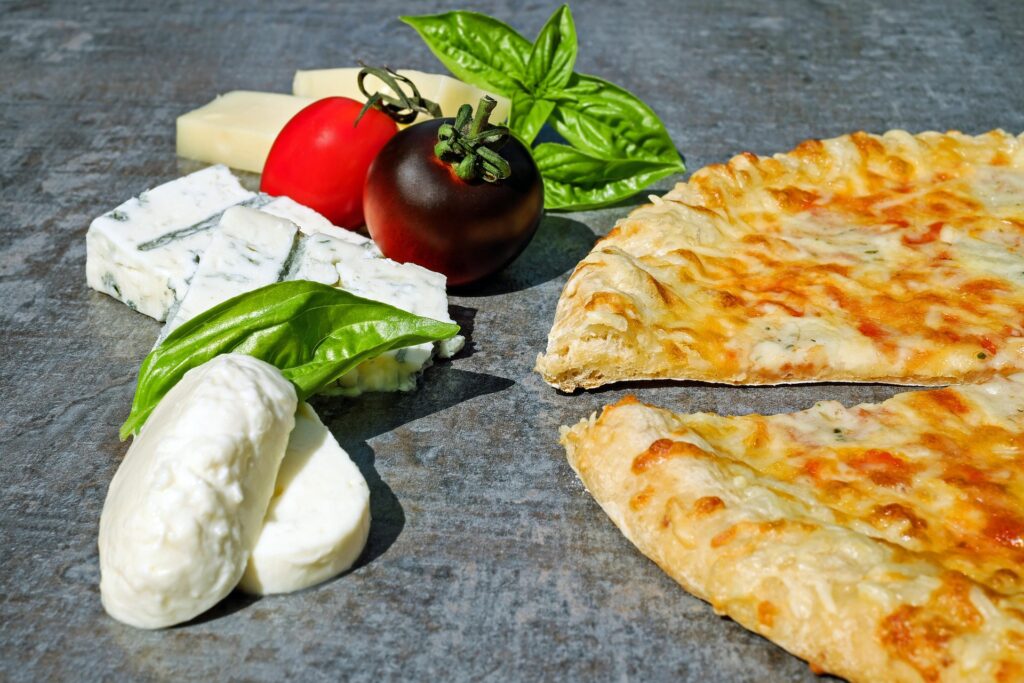
Making addition pizza engaging is key to keeping students excited about learning. One effective tip is to use colorful visuals. Brightly colored pizza slices or toppings capture attention and make the activity visually appealing. Children are more likely to stay focused when learning is fun and stimulating.
Another tip is to let students create their own pizzas. Allowing children to choose toppings or draw their pizza slices encourages creativity and ownership of the learning process. This hands-on involvement strengthens engagement and makes the lesson memorable.
Combining addition pizza with storytelling can also enhance learning. Teachers or parents can create fun scenarios, such as sharing pizzas at a party, which require children to solve addition problems. Relating math to real-life experiences helps students understand its practical applications and makes abstract concepts concrete.
Additionally, rewarding correct answers encourages motivation and positive reinforcement. Simple rewards, like stickers or praise, make children feel accomplished and eager to continue practicing addition.
Future of Learning with Addition Pizza
The future of education is moving toward interactive, visual, and gamified learning, and addition pizza fits perfectly into this trend. As classrooms become more digital and technology-driven, methods that combine fun and learning will continue to grow in popularity. Addition pizza demonstrates how a simple concept can evolve into a powerful educational tool for young learners.
Digital platforms and educational apps are expanding the reach of addition pizza. Online games allow students to manipulate pizza slices virtually, providing instant feedback and adaptable difficulty levels. This makes addition pizza accessible beyond the classroom, giving children opportunities to practice and learn at home.
Furthermore, addition pizza aligns with modern pedagogical approaches that emphasize active learning. Students are not just passive recipients of information; they explore, experiment, and discover addition concepts themselves. This hands-on experience strengthens critical thinking and lays the foundation for future math skills.
As more educators recognize the importance of visual and interactive learning, addition pizza will likely inspire new methods for teaching other mathematical concepts. For example, similar approaches can be applied to subtraction, multiplication, or fractions, creating a broader, engaging math curriculum for young learners.
In conclusion, the combination of play, visualization, and interactivity ensures that addition pizza remains a relevant and valuable teaching strategy. Its adaptability, effectiveness, and appeal make it a promising tool in the evolving landscape of education.
Conclusion
Addition pizza is a creative and effective way to teach young learners the fundamentals of addition. By transforming abstract numbers into visual, hands-on pizza slices, this method makes learning engaging, interactive, and enjoyable. Students not only understand addition better but also develop a positive attitude toward mathematics from an early age.
One of the key strengths of addition pizza is its ability to combine fun with learning. Children are naturally motivated by games, colors, and familiar objects like pizza. By integrating these elements into lessons, educators can capture students’ attention and make math feel less intimidating. This encourages participation, exploration, and a genuine interest in learning.
Addition pizza also supports conceptual understanding rather than rote memorization. Students learn why numbers add up the way they do, which builds a strong foundation for more advanced math topics in the future. By fostering logical thinking, problem-solving, and creativity, this method equips learners with essential skills beyond simple arithmetic.
Moreover, addition pizza is highly adaptable. It works in classrooms, homeschooling environments, and digital platforms. Whether through hands-on activities, printable worksheets, or interactive apps, children can enjoy learning addition in multiple ways, ensuring that every student’s learning style is supported.
In summary, addition pizza is not just a playful approach to teaching math—it is a powerful educational tool. It transforms learning into an engaging experience, builds confidence in students, and lays the groundwork for future academic success. For educators, parents, and educational websites, addition pizza represents a smart, innovative, and enjoyable way to make addition fun and memorable.
FAQs
1. What is Addition Pizza?
Addition Pizza is an educational method that uses pizza slices to teach basic addition. Numbers are represented as slices, allowing students to visually combine them and understand addition in a fun, hands-on way.
2. How does Addition Pizza help children learn math?
It turns abstract numbers into concrete visual objects. Children can see and manipulate slices, which strengthens their understanding, number sense, and confidence in solving addition problems.
3. Who can benefit from Addition Pizza?
Preschoolers, kindergarten students, Grade 1 and Grade 2 learners, and even children with special learning needs can benefit. It’s a versatile tool adaptable for various ages and skill levels.
4. Can Addition Pizza be used at home?
Yes! Parents can create addition pizza activities using paper cutouts, drawings, printable worksheets, or even real pizza slices, making learning interactive and enjoyable at home.
5. What materials are needed for Addition Pizza?
Teachers or parents can use paper, markers, scissors, printable worksheets, digital apps, or even real pizza slices. Visuals and hands-on materials are key for effective learning.
6. How does Addition Pizza improve problem-solving skills?
By allowing children to experiment with combining slices in different ways, it encourages logical thinking, trial-and-error learning, and step-by-step problem-solving strategies.
7. Are there digital versions of Addition Pizza?
Yes. Many educational apps and online games offer interactive addition pizza activities. Students can drag and drop slices on the screen and receive instant feedback.
8. Can Addition Pizza be used for group activities?
Absolutely. Students can work in teams, solve challenges together, or play friendly addition pizza games. Group activities encourage collaboration, discussion, and teamwork.
9. How can teachers make Addition Pizza more engaging?
Teachers can use colorful visuals, storytelling, student-created pizzas, and rewards for correct answers. Gamifying lessons with challenges also keeps students motivated and focused.
10. Is Division Exercise only for addition?
While primarily designed for teaching addition, the concept can be adapted for subtraction, multiplication, and even fractions by using pizza slices to represent numbers or parts of a whole.
11. What are common mistakes when using Division Exercise?
Common mistakes include making problems too complex for the child’s level, relying only on visuals without explanation, skipping practice, or not connecting the activity to real-life situations.
12. How does Division Exercise support visual learners?
Visual learners benefit because numbers are represented as tangible, colorful slices. Seeing the addition process helps them understand and remember concepts more effectively.
13. Can Division Exercise reduce math anxiety?
Yes. Associating math with a fun and familiar object like pizza makes learning less intimidating. It helps children feel confident, curious, and motivated to practice addition.
14. Where can I find Division Exercise worksheets?
Printable worksheets can be found online on educational websites, homeschooling resources, or created manually. They provide structured practice to reinforce addition concepts using pizza visuals.