

Definition
School appropriate songs are carefully selected songs that are suitable for students of all ages within a school environment. These songs are designed to educate, entertain, and inspire, while ensuring that content is safe and respectful for young listeners.
Key Characteristics
- Clean and Positive Lyrics
- School appropriate songs avoid profanity, explicit content, or mature themes.
- Lyrics focus on uplifting messages, encouragement, and fun, rather than topics that are inappropriate or harmful for students.
- Promotion of Positive Values
- These songs often reinforce moral and social values, such as respect, teamwork, honesty, perseverance, and empathy.
- They encourage healthy social behavior, teaching students lessons in a subtle and engaging way through music.
- Versatile Usage
- School appropriate songs can be incorporated in various settings, including classroom lessons, school assemblies, music programs, talent shows, or special events.
- They are also used in educational activities, such as learning the alphabet, numbers, or other subjects through musical memory aids.
Example:
- Songs that promote friendship, self-confidence, perseverance, and teamwork are excellent examples of school appropriate music.
- For instance, a song about helping friends and working together can teach cooperation, while a motivational song about never giving up can encourage resilience.
Practical Significance:
School appropriate songs go beyond entertainment; they are a powerful educational tool. They engage students emotionally and intellectually, making learning fun while also shaping character and behavior.
In summary:
School appropriate songs are carefully chosen pieces of music that combine education, entertainment, and ethical guidance, creating a safe and inspiring environment for students in any school setting.

Importance of School Appropriate Songs
School appropriate songs play a vital role in creating a positive, safe, and engaging learning environment. Their importance extends beyond entertainment, influencing students’ social, emotional, and academic development.
1. Positive Influence
- School appropriate songs help instill good values and morals in students.
- Through lyrics that emphasize friendship, honesty, teamwork, and perseverance, students learn ethical lessons naturally.
- Music can reinforce behaviors and attitudes that support a healthy and respectful school culture.
2. Safe Listening Environment
- Choosing songs carefully ensures students are not exposed to explicit, violent, or mature content.
- This helps create a safe and comfortable classroom environment, where parents and teachers can feel confident about the content students are hearing.
- Safe music choices reduce the risk of negative behavioral influence and maintain age-appropriate learning experiences.
3. Enhances Learning
- Songs with educational themes can improve language development, vocabulary, memory, and concentration.
- Music stimulates both the left and right hemispheres of the brain, helping students retain information more effectively.
- Examples include songs that teach math concepts, language skills, history facts, or science topics, making lessons more interactive and memorable.
4. Promotes Inclusivity
- School appropriate songs contribute to a respectful and inclusive atmosphere.
- Carefully chosen music respects cultural diversity, backgrounds, and beliefs, making all students feel welcome and represented.
- Group singing and musical activities foster teamwork, collaboration, and social bonding, helping students develop empathy and interpersonal skills.
Practical Significance:
By integrating school appropriate songs, educators can enhance learning outcomes, encourage ethical behavior, and foster a safe and inclusive environment. Music becomes not just entertainment, but a powerful tool for holistic student development.
In summary:
The importance of school appropriate songs lies in their ability to educate, inspire, and protect students, creating a nurturing environment where learning and personal growth go hand in hand.
Types of School Appropriate Songs
School appropriate songs come in various forms, each serving a different purpose in supporting learning, personal development, and social interaction. Understanding the types of songs suitable for schools helps teachers, parents, and students make effective music choices.
1. Educational Songs
- These songs are designed to teach academic concepts in a fun and memorable way.
- They help students learn through music, improving retention of information and making lessons more engaging.
- Examples:
- Alphabet songs to help young children learn letters.
- Multiplication rap or math songs to reinforce arithmetic concepts.
- Songs about historical events or scientific principles for older students.
2. Motivational and Inspirational Songs
- Motivational songs inspire students to believe in themselves, stay positive, and persevere through challenges.
- They are especially useful during exams, competitions, or personal development activities.
- Examples:
- “Eye of the Tiger” (edited for school use) to encourage resilience.
- Songs about achieving goals, chasing dreams, or overcoming obstacles.
3. Friendship and Teamwork Songs
- These songs promote social skills, empathy, cooperation, and collaboration.
- They are ideal for group activities, class bonding exercises, and team-building events.
- Examples:
- Songs emphasizing helping others, sharing, and valuing friendships.
- Lyrics that teach students how to resolve conflicts and work together harmoniously.
4. Cultural or Folk Songs
- These songs celebrate heritage, traditions, and seasonal events, connecting students with their cultural roots.
- They are often used during school assemblies, national holidays, or cultural programs.
- Examples:
- Folk songs that reflect local or national traditions.
- Seasonal songs for festivals, harvest celebrations, or school events.
5. Fun and Recreational Songs
- Light-hearted songs create a joyful atmosphere in schools and are perfect for recess, talent shows, or school performances.
- They encourage creativity, self-expression, and relaxation, helping students enjoy a balanced school experience.
- Examples:
- Songs with catchy rhythms and rhymes for classroom sing-alongs.
- Playful tunes for school events or student gatherings.
Key Takeaway:
By incorporating a mix of educational, motivational, social, cultural, and fun songs, schools can enhance learning, build social skills, celebrate diversity, and create an engaging environment.
Benefits of School Appropriate Songs
School appropriate songs provide numerous educational, social, and emotional benefits for students. Integrating music into daily school activities can greatly enhance both the learning environment and students’ overall development.
1. Improves Mood
- Music has the power to uplift and energize students, creating a positive and happy atmosphere in the classroom.
- Listening to or singing school appropriate songs can reduce stress, anxiety, and boredom, making learning more enjoyable.
- A cheerful musical environment helps students engage better in lessons and participate actively.
2. Supports Emotional Development
- Songs allow students to express their emotions in a safe and structured way.
- Music helps children develop empathy, as they relate to the stories, themes, and feelings conveyed through lyrics.
- Emotional engagement through songs strengthens self-awareness and emotional intelligence, which are key life skills.
3. Encourages Creativity
- Singing, composing, or performing school appropriate songs nurtures creativity and imagination.
- Students can explore different musical styles, rhythms, and lyrics, allowing them to experiment with self-expression.
- Creative engagement through music enhances problem-solving skills, innovative thinking, and confidence.
4. Strengthens Classroom Community
- Group singing and musical activities foster teamwork, cooperation, and social bonding.
- Students learn to listen, follow instructions, and work together, building a sense of community.
- Shared musical experiences create positive memories and a sense of belonging, which contributes to a supportive school culture.
Practical Significance:
Integrating school appropriate songs in classrooms, assemblies, and school events enhances both academic and social outcomes. Students are happier, more empathetic, creative, and connected, making music an essential component of a well-rounded education.
In summary:
The benefits of school appropriate songs go beyond entertainment—they improve mood, support emotional growth, foster creativity, and build a stronger classroom community, enriching the overall school experience.
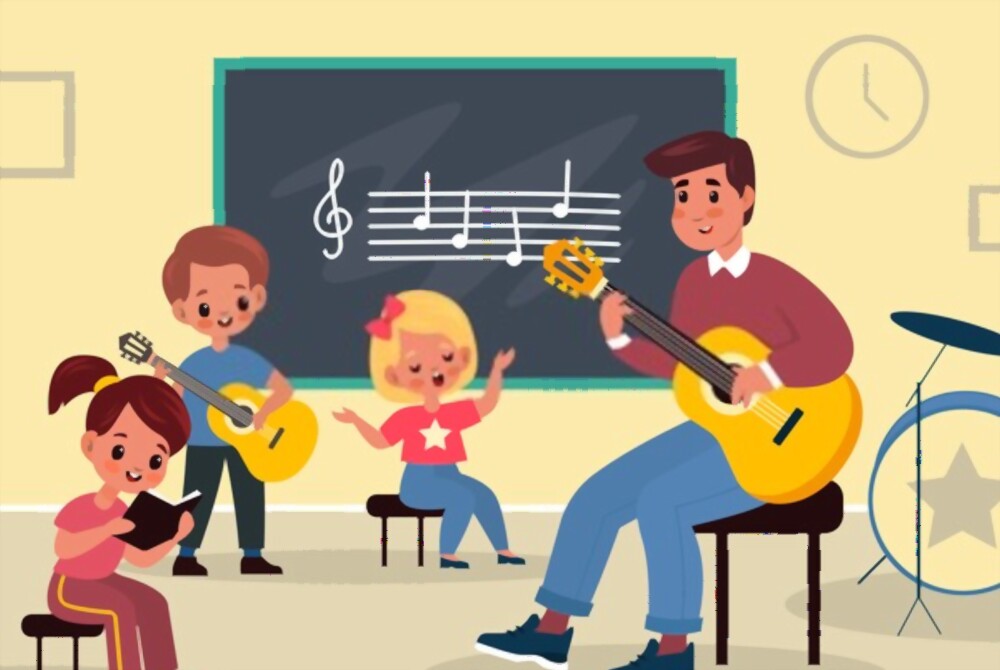
Tips for Choosing School Appropriate Songs
Selecting the right songs for a school environment is essential to ensure that students benefit musically, socially, and emotionally. Here are practical tips to guide teachers, parents, and school administrators in making thoughtful choices:
1. Check Lyrics Carefully
- Always review song lyrics before using them in class or school events.
- Avoid songs that contain explicit language, violent content, or suggestive themes.
- Ensure that the lyrics promote positive messages, making them safe and suitable for students of all ages.
2. Consider Age Group
- Songs should align with the cognitive and emotional level of the students.
- Younger children may benefit from simple, repetitive songs that teach concepts like the alphabet or numbers.
- Older students can handle more complex themes, motivational songs, or educational content.
3. Cultural Sensitivity
- Choose songs that respect diverse cultural backgrounds and traditions.
- Avoid songs that could offend or exclude students from different communities.
- Inclusive song choices foster a respectful and harmonious learning environment.
4. Keep it Positive
- Focus on songs with uplifting, educational, or fun messages.
- Positive songs encourage motivation, self-confidence, teamwork, and creativity.
- Avoid songs that promote negativity, fear, or discouragement.
5. Use Edited Versions if Needed
- Some popular songs may contain content that is not suitable for school.
- Look for school-friendly edits that remove inappropriate words or mature themes.
- Edited versions allow students to enjoy familiar songs safely and responsibly.
Key Takeaway:
By carefully selecting school appropriate songs based on lyrics, age, cultural sensitivity, positivity, and edits, educators can create a safe, engaging, and enriching musical environment that enhances learning, emotional development, and social skills.
Common Mistakes to Avoid
While school appropriate songs can enhance learning and student engagement, selecting them without care can lead to problems. Here are some common mistakes to avoid:
1. Using Songs Without Reviewing Lyrics
- One of the most frequent errors is choosing songs without checking the content.
- Songs may contain hidden explicit language, suggestive themes, or violent references that are inappropriate for school.
- Always read and understand the lyrics before introducing a song to students to ensure safety and suitability.
2. Choosing Songs That Are Too Complex or Mature
- Songs should match the age and cognitive level of the students.
- Selecting songs that are too difficult, abstract, or emotionally mature can confuse students or fail to engage them.
- For younger learners, stick to simple, repetitive, and educational songs that are easy to understand and sing along.
3. Ignoring Cultural Sensitivity
- Songs that disrespect cultural norms or exclude certain groups can create discomfort or tension.
- Avoid content that may offend students, parents, or the school community.
- Choose music that celebrates diversity and promotes inclusivity, ensuring that every student feels respected and represented.
Key Takeaway:
Avoiding these mistakes ensures that school appropriate songs enhance learning, foster positive values, and maintain a safe and inclusive environment. Careful selection is crucial to maximize the benefits of music in schools.
Conclusion
School appropriate songs are an essential element of a positive and engaging school environment. They do more than entertain—they educate, inspire, and foster personal growth. By integrating music thoughtfully, schools can help students:
- Develop emotionally: Songs provide a safe outlet for self-expression and empathy.
- Grow socially: Group singing and musical activities strengthen teamwork, cooperation, and a sense of community.
- Enhance academically: Educational songs improve memory, language skills, and focus, making learning more interactive and effective.
Selecting the right songs is crucial to ensure content is age-appropriate, culturally sensitive, and positive, allowing students to benefit fully from music in school. When chosen carefully, school appropriate songs inspire motivation, creativity, and connection, making music an indispensable part of the educational experience.
In summary:
School appropriate songs are a powerful tool for holistic student development. They create a safe, inclusive, and enjoyable learning environment, combining the joy of music with valuable life lessons, personal growth, and academic enrichment.
FAQs
Q1: What are school appropriate songs?
A: Songs that are suitable for students, featuring clean lyrics, positive messages, and age-appropriate content. They promote learning, social skills, and personal growth.
Q2: Why are school appropriate songs important?
A: They create a safe, positive, and engaging learning environment, support emotional and social development, and enhance academic learning through music.
Q3: Can popular songs be school appropriate?
A: Yes, if the lyrics are clean or edited for school use. Edited versions remove explicit or mature content, making them safe for students.
Q4: How should teachers choose school appropriate songs?
A: Check lyrics for appropriateness, consider the age and cognitive level of students, ensure cultural sensitivity, and select songs with positive, uplifting, or educational messages.
Q5: What types of school appropriate songs exist?
A: Common types include educational songs, motivational/inspirational songs, friendship and teamwork songs, cultural or folk songs, and fun/recreational songs.
Q6: Can school appropriate songs improve learning?
A: Yes, they enhance language skills, memory, focus, creativity, and social skills, making lessons more interactive and enjoyable.
Q7: Are school appropriate songs used only in music classes?
A: No, they can be used in classroom activities, assemblies, school events, talent shows, and educational programs.
Q8: What are common mistakes to avoid when choosing songs for school?
A: Avoid using songs without reviewing lyrics, choosing songs that are too complex or mature for the students, and ignoring cultural sensitivity.