
Introduction
School desk is more than just a piece of furniture; it is the silent companion of every student’s learning journey. Day after day, students sit at their desks to read, write, and engage in the pursuit of knowledge, making these simple structures an integral part of the educational experience. Despite their modest appearance, school desks play a crucial role in shaping the comfort, focus, and productivity of students in classrooms around the world.
A school desk can be defined as a functional piece of furniture designed specifically for students. It provides a dedicated space for writing, reading, and organizing study materials. Unlike ordinary tables, school desks are crafted with the needs of learners in mind, often including features such as writing surfaces, storage spaces for books and stationery, and ergonomic designs to promote proper posture.
The importance of school desks extends beyond their physical function. They help create a structured and conducive learning environment by offering students a personal space to focus on their studies. Properly designed desks support good posture, reduce fatigue, and allow students to concentrate for longer periods. They also contribute to classroom organization, enabling teachers to manage learning materials efficiently and maintain an orderly environment. In essence, school desks are not just furniture—they are tools that facilitate learning, comfort, and intellectual growth.
1. Role of a School Desk in Education
The role of a school desk in education extends far beyond simply providing a place to sit. It is a fundamental element that directly impacts a student’s comfort, focus, and overall learning experience. One of the most important functions of a school desk is that it helps students maintain proper posture while studying. Ergonomically designed desks support the spine and encourage correct seating positions, which reduces fatigue, prevents back and neck strain, and allows students to focus on their studies for longer periods.
A school desk also provides a designated space for books, notebooks, and stationery, helping students stay organized. With a clear workspace, students can arrange their study materials efficiently, which promotes a sense of order and discipline in their learning habits. This organized environment encourages productivity and reduces time wasted searching for materials.
In addition, school desks support focus and concentration by minimizing distractions. By offering a personal area, students can work independently without unnecessary interruptions from neighboring classmates or cluttered surroundings. This dedicated space creates a mental zone for learning, enhancing comprehension, retention, and critical thinking skills.
Moreover, school desks enhance classroom organization and teacher management. When desks are arranged systematically, teachers can easily monitor students, maintain discipline, and facilitate group activities or collaborative learning. Properly arranged desks contribute to a structured classroom environment, which benefits both educators and students by promoting smooth, effective, and engaging teaching sessions.
In essence, the school desk is not just a piece of furniture; it is a key contributor to educational success, combining comfort, organization, and functionality to support both students and teachers in the learning process.
2. Types of School Desks
School desks come in a variety of designs, each created to meet different educational needs, classroom sizes, and student requirements. Understanding the types of desks can help educators and institutions choose the most suitable options for their students.
1. Single Desks
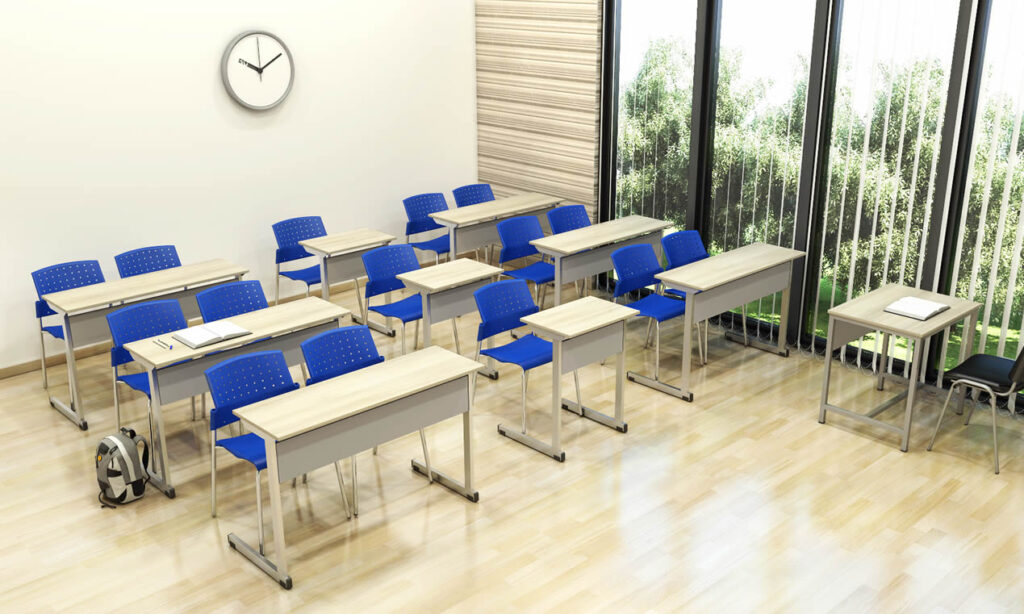
Single desks are designed for one student and are the most common type found in traditional classrooms. These desks provide each student with an individual workspace, allowing for personal comfort, organization, and focus. Single desks often include a flat writing surface and a small storage area underneath for books and stationery, making them practical and functional for everyday learning activities.
2. Double Desks or Benches
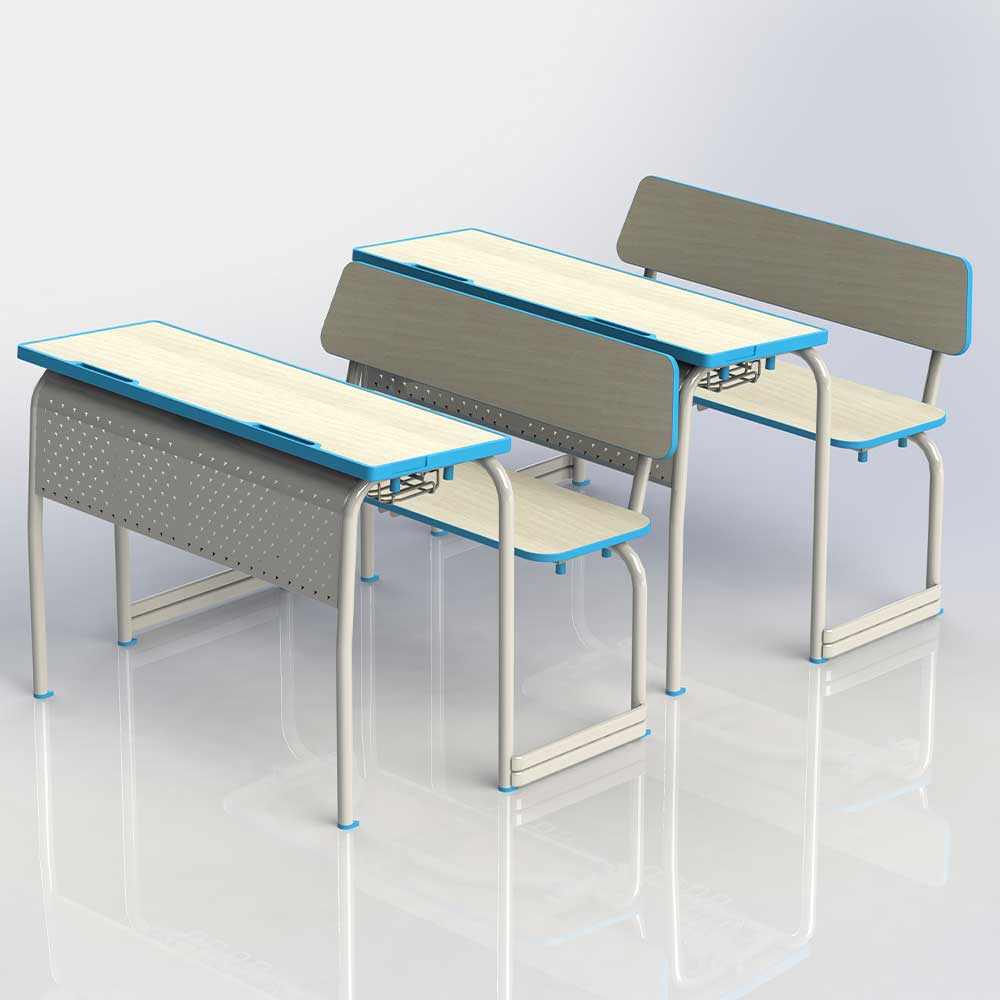
Double desks, also known as benches, are intended to be shared by two students. These desks are commonly used in crowded classrooms where maximizing space is important. While they may limit individual workspace compared to single desks, double desks encourage collaboration and social interaction between students, fostering teamwork and communication skills.
3. Adjustable Desks
Adjustable desks are designed with flexibility in mind. They can be modified in height or tilt angle to suit the individual needs of students, accommodating various ages, sizes, and postures. Adjustable desks are particularly useful in classrooms where comfort and ergonomic support are a priority, helping to prevent strain and promote healthy study habits.
4. Modern Ergonomic Desks
Modern ergonomic desks represent the latest innovation in classroom furniture. These desks often include features such as integrated storage compartments, tilting writing surfaces, and even digital integration to support laptops or tablets. Ergonomic designs focus on comfort, posture, and efficiency, ensuring that students have a supportive and adaptable learning environment. Such desks not only enhance physical well-being but also contribute to better focus and productivity.
Each type of school desk serves a distinct purpose, and selecting the right kind can significantly improve the learning experience by combining comfort, organization, and functionality.
3. Materials Used in School Desks
The materials used to construct school desks play a crucial role in their durability, functionality, and comfort. Different materials are chosen based on the intended use, classroom environment, and budget considerations.
1. Wood
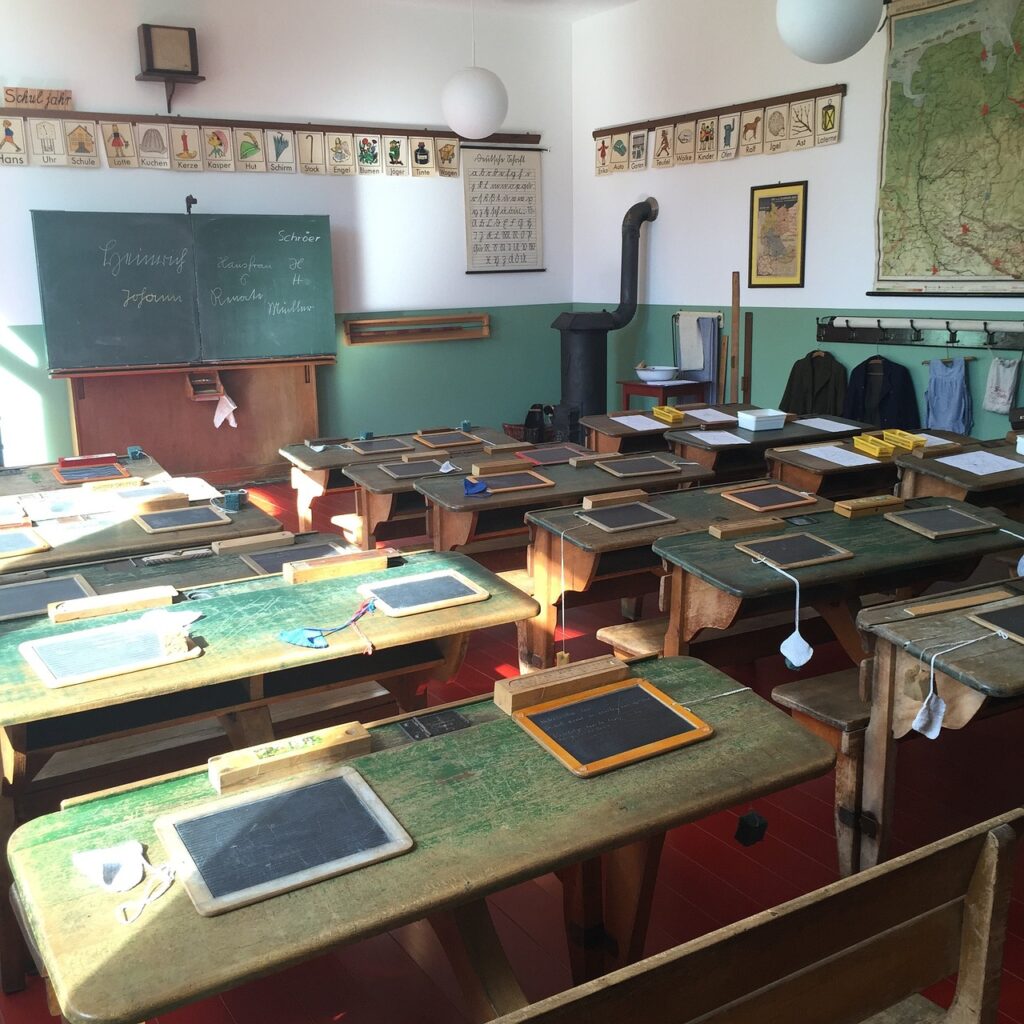
Wood is one of the most traditional materials used for school desks. It is durable, strong, and provides a natural aesthetic that adds warmth to classrooms. Wooden desks can withstand years of use while offering a sturdy writing surface. They are often crafted from hardwoods such as oak or teak, which resist wear and tear and provide a classic appearance that remains popular in educational institutions.
2. Metal
Metal is commonly used for the frames of school desks due to its strength and long-lasting nature. Metal frames provide structural stability and can support heavier loads, making them ideal for both individual and double desks. They are resistant to damage from frequent use and can be paired with various surfaces such as wood, plastic, or laminated boards. Metal also allows for more modern, minimalist designs in classrooms.
3. Plastic
Plastic desks are lightweight, easy to clean, and increasingly used in contemporary classrooms. They are often molded into ergonomic shapes that provide comfort and functionality. Plastic desks are especially suitable for younger students, as they are portable and safe, with rounded edges to prevent injury. Additionally, plastic is resistant to stains and moisture, making it practical for environments that require regular maintenance.
4. Composite or Laminated Materials
Composite and laminated materials combine different substances, such as wood particles and plastic resins, to create desks that balance durability and affordability. Laminated surfaces are smooth, resistant to scratches, and easy to maintain, making them ideal for high-use classrooms. These materials offer flexibility in design, allowing for a range of colors, finishes, and functional features without compromising strength or longevity.
Choosing the right material for a school desk is essential for ensuring comfort, safety, and durability. By selecting appropriate materials, schools can provide students with reliable workspaces that support learning while standing the test of time.
4. Features of a Good School Desk
A good school desk is more than just a surface for writing; it is a carefully designed tool that enhances learning, comfort, and organization for students. Several key features distinguish an effective school desk from a basic piece of furniture.
1. Comfortable and Ergonomic Design
Ergonomics is a crucial aspect of a quality school desk. A well-designed desk supports proper posture, reducing strain on the back, neck, and shoulders during long study sessions. The height, angle of the writing surface, and legroom should accommodate students of various ages and sizes, ensuring comfort and promoting healthy study habits.
2. Adequate Space for Books and Stationery
A functional desk must provide enough space for textbooks, notebooks, stationery, and other study materials. Having an organized workspace helps students focus better, keeps their materials within easy reach, and encourages a structured approach to learning.
3. Durable and Easy to Maintain
Durability is essential for school desks, as they are subject to daily use and occasional rough handling. A good desk is made from materials that resist wear, scratches, and stains, while being easy to clean and maintain. This ensures the desk remains functional and presentable for many years.
4. Stability and Safety
A quality school desk should be stable and sturdy to prevent accidents or tipping over. Rounded edges, smooth surfaces, and secure construction are important safety features, particularly for younger students, to reduce the risk of injuries.
5. Additional Features
Some modern school desks include extra features to enhance usability and convenience. These may include storage drawers, shelves, or compartments for books and stationery, as well as slanted writing surfaces to improve posture and writing efficiency. Certain desks even incorporate slots for digital devices or adjustable components to adapt to individual student needs.
In summary, a good school desk combines comfort, organization, safety, and durability, creating an environment that fosters focus, learning, and overall student well-being.
5 Challenges and Improvements
While school desks are essential for a productive learning environment, several challenges can affect their effectiveness and the well-being of students. One major issue is the presence of poor-quality desks, which can cause discomfort, strain, or even long-term health issues such as back and neck pain. Desks that are too small, poorly designed, or made from low-quality materials can hinder proper posture and reduce a student’s ability to focus during study sessions.
Another challenge is overcrowded classrooms, where limited space forces students to share desks or work in cramped conditions. In such environments, individual focus and comfort are compromised, and classroom management becomes more difficult for teachers. Overcrowding also limits the accessibility of materials and personal workspace, affecting overall learning efficiency.
To address these challenges, modern schools are implementing improvements in desk design. Ergonomic desks, for instance, are crafted to support correct posture and provide adjustable features for height and writing angles. Integrated storage solutions, such as drawers or shelves, help students organize books and stationery, minimizing clutter and distraction. Additionally, adjustable and modular desks allow classrooms to adapt to different ages, sizes, and teaching methods, making the learning environment more flexible and comfortable.
By investing in high-quality, ergonomic, and well-organized desks, schools can overcome these challenges, enhance student comfort, and create a more efficient and engaging educational experience.
Conclusion
School desks are far more than simple pieces of furniture; they are fundamental to education and student well-being. By providing a dedicated, organized, and comfortable space, desks play a vital role in supporting proper posture, focus, and efficient learning. A well-designed desk not only accommodates books and stationery but also helps students stay organized, minimizes distractions, and enhances the overall classroom environment.
The impact of a thoughtfully designed school desk extends beyond physical comfort. It fosters concentration, encourages discipline, and creates a structured learning atmosphere that benefits both students and teachers. Modern innovations, such as ergonomic designs, adjustable features, and integrated storage, further enhance their effectiveness, making learning more accessible and enjoyable.
Ultimately, a school desk is not just a place to write; it is the foundation of a student’s learning, growth, and academic journey. By providing the right environment and support, school desks contribute significantly to shaping the minds, habits, and futures of students, highlighting their indispensable role in education.
FAQs
1. What is a school desk?
A school desk is a piece of furniture designed to provide students with a comfortable and organized space for writing, reading, and studying. It often includes features such as storage compartments, a flat writing surface, and ergonomic design elements.
2. Why are school desks important?
School desks play a crucial role in education by supporting proper posture, enhancing focus, keeping students organized, and contributing to an effective and structured classroom environment.
3. What are the main types of school desks?
The main types of school desks include:
- Single desks: Designed for one student.
- Double desks/benches: Shared by two students.
- Adjustable desks: Can be modified for height or tilt.
- Modern ergonomic desks: Include features like storage, tilting surfaces, or digital integration.
4. What materials are commonly used for school desks?
School desks are typically made from wood, metal, plastic, or composite/laminated materials, chosen for their durability, comfort, and maintenance needs.
5. What features should a good school desk have?
A good school desk should be comfortable, ergonomic, durable, stable, safe, and provide adequate space for books and stationery. Modern desks may also include storage drawers or adjustable writing surfaces.
6. What challenges do students face with school desks?
Challenges include poor-quality desks that can cause discomfort or health issues, overcrowded classrooms limiting space, and desks that lack ergonomic design.
7. How have modern desks improved the learning experience?
Modern desks incorporate ergonomic designs, adjustable heights, integrated storage, and sometimes digital compatibility. These improvements enhance comfort, organization, focus, and overall learning efficiency.