
Introduction
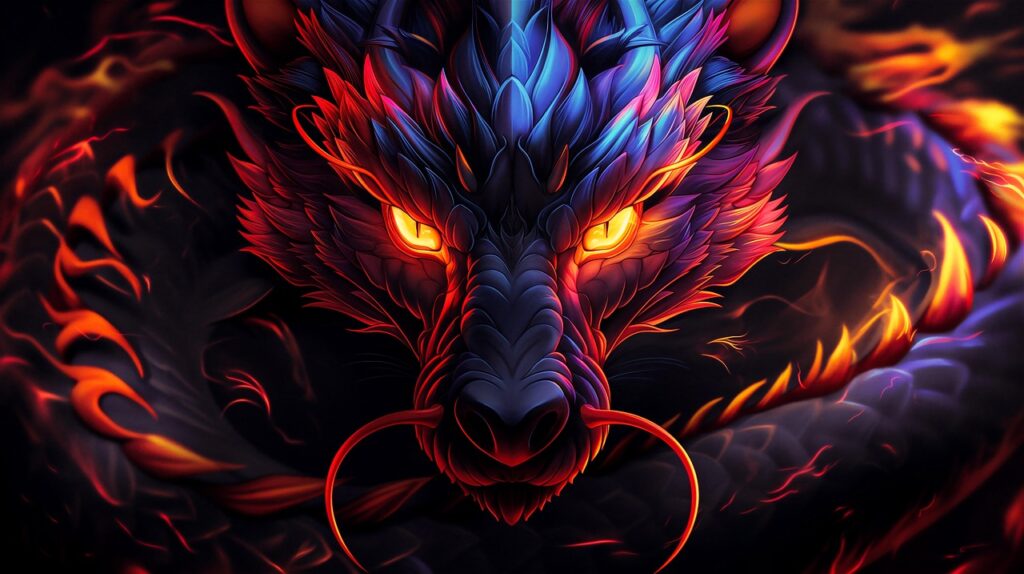
Dragon Puppet Ideas brings mythical fire-breathers to life, sparking creativity and storytelling in children and adults alike. These enchanting creations transform ordinary craft time into magical adventures, allowing imagination to soar as students, hobbyists, and performers interact with a creature born from legend and fantasy. Whether in a classroom, at home, or on stage, a Dragon Puppet Ideas can become the centerpiece of storytelling and creative expression. A dragon puppet is a handmade or commercially designed puppet that resembles a dragon, often crafted with movable parts like wings, tails, or jaws. They can range from simple sock or hand puppets to elaborate marionettes controlled with strings or rods. These puppets are used for a variety of purposes, including educational activities, storytelling, theatrical performances, and craft projects that encourage hands-on learning and creativity.
Types of Dragon Puppets
Dragon Puppet Ideas come in a wide variety of styles, each offering unique ways to bring these mythical creatures to life. Understanding the different types can help creators choose a design that suits their skill level, purpose, and available materials.
1. Hand Puppets
Hand puppets are among the simplest and most popular types. In this design, the puppeteer inserts their hand into the puppet to control the head and mouth movements. This type is ideal for beginners and is perfect for storytelling, as the dragon can “speak,” nod, or react during performances. Hand puppets offer a direct, tactile connection between the performer and the puppet, making interactions lively and engaging.
2. Sock Puppets
Sock puppets are a simple, child-friendly craft that promotes creativity using only a few basic materials. Using a plain sock as the base, children and adults can add felt, googly eyes, yarn, and other craft materials to design a dragon’s face, scales, and features. Sock puppets are lightweight, inexpensive, and allow for endless customization, making them ideal for classroom projects or at-home craft activities.
3. Marionettes (String Puppets)
Marionettes are more complex dragon puppets controlled with strings attached to various body parts such as the head, wings, and tail. This type allows for highly lifelike movements, making the dragon appear to fly, crawl, or roar. While marionettes require skill and patience to manipulate effectively, they are excellent for theatrical performances and more advanced storytelling, offering dynamic and dramatic visual effects.
4. Paper or Cardboard Puppets
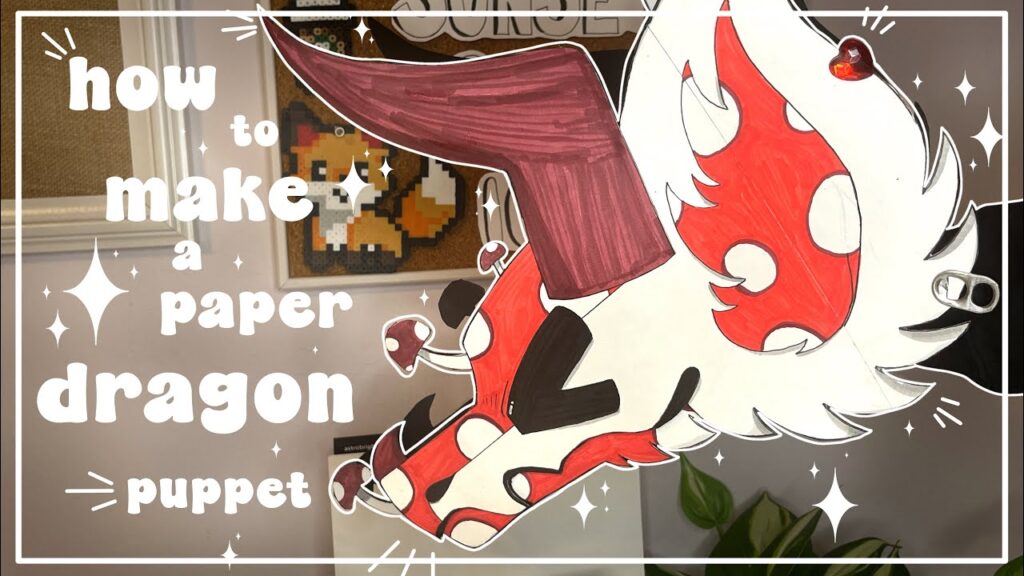
Paper or cardboard puppets are lightweight and easy to make, which makes them perfect for classrooms, workshops, or craft projects on a budget. They can be decorated with markers, paints, or colored paper to create vibrant dragon designs. Despite their simplicity, paper puppets can be highly expressive and, when paired with rods or sticks, can mimic wing flaps and head movements during storytelling.
5. Glove Puppets
Glove puppets fit over the entire hand like a glove and often include movable parts such as wings, tails, or mouths. This type allows for interactive play, enabling the puppeteer to control multiple movements simultaneously. Glove puppets offer greater flexibility and realism than basic hand or sock puppets, making them excellent for detailed performances, imaginative play, and engaging storytelling experiences.
Materials Needed for Dragon Puppets
Creating dragon puppets requires a variety of materials that not only shape the puppet’s structure but also bring its mythical personality to life. Each material contributes to the design, durability, and expressive potential of the final craft.
• Felt, foam sheets, or fabric for body and wings:
These soft yet sturdy materials form the main structure of the dragon puppet. Felt is especially popular due to its thickness and ease of cutting, making it ideal for shaping the dragon’s body parts without fraying. Foam sheets provide flexibility and a lightweight feel, allowing for curved shapes like horns, tails, and wing membranes. Fabric options such as cotton or polyester add movement and texture, giving wings a realistic flutter or the body a scale-like finish depending on the chosen pattern.
• Popsicle sticks or wooden dowels for handles and movement:
These rigid sticks act as mechanical supports, enabling puppeteers to manipulate the dragon’s head, wings, or jaw. Popsicle sticks are excellent for smaller puppets, offering simple control and easy attachment. Wooden dowels, being longer and sturdier, allow for more advanced movement such as flapping wings or turning necks, making the puppet more dynamic during performances.
• Glue, hot glue guns, or sewing supplies for assembly:
How pieces are attached depends on the materials involved and the level of durability required. Hot glue guns bond foam and felt quickly and strongly, making them perfect for complex designs. Fabric glue works well for lighter decorations and children’s crafting. For a more professional, long-lasting finish, sewing supplies like needles, thread, and embroidery floss allow creators to stitch seams, reinforce joints, and add decorative stitching.
• Paint, markers, and glitter for decoration:
Coloring supplies give the dragon its unique personality. Markers are ideal for outlining details or adding smaller textures like veins in wings or subtle shading. Glitter, whether applied with glue or mixed into paint, enhances the magical feel and brings sparkle to features like the tail, horns, or crest.
• Buttons, googly eyes, or craft foam for eyes and facial features:
The face is the most expressive part of the puppet, and these materials help define its character—friendly, fierce, mysterious, or whimsical. Googly eyes add playful movement, perfect for children’s puppets. Buttons create a stylized or vintage look, while craft foam allows custom eye shapes such as slanted dragon eyes, layered eyelids, or ridged eyebrows. Foam can also be cut into teeth, nostrils, and horns for greater detail.
• Optional: feathers, yarn, or faux scales for texture and detail:
These embellishments elevate the puppet’s design by adding realistic or fantasy-inspired textures. Feathers provide dramatic flair for wings, crests, or tails, giving the dragon a majestic or exotic appearance. Yarn can be transformed into manes, beards, or spiky ridges along the spine. Faux scales—cut from metallic foam, sequins, or textured fabric—create a shimmering, reptile-like surface that enhances the overall craftsmanship.
Creative Design Ideas
• Fire-Breathing Dragon:
Bring your Dragon Puppet Ideas to life with the illusion of blazing flames. Use strips of red, orange, and yellow tissue paper or felt, cut into jagged flame shapes, and layer them to create depth and movement. For added realism, attach the flames inside the puppet’s mouth so they flutter when the dragon “roars” or moves. You can even blend metallic or glittery materials to give the fire a glowing, magical intensity. For advanced designs, add a small hidden flap or lever that reveals or hides the flames during performance.
• Colorful Fantasy Dragons:
Break away from traditional dragon colors by embracing vibrant, fantastical palettes. Mix bold hues such as shimmering purples, emerald greens, electric blues, and rich gold accents. These colors can be incorporated through painted patterns, multi-colored felt patches, or gradient wings. Consider adding iridescent fabrics or holographic materials to create a magical, otherworldly appearance. Decorative swirls, starry motifs, or glowing patterns on the body and wings can enhance the fantasy theme.
• Scaly Textures:
To mimic authentic dragon scales, layer small pieces of foam, felt, or cut paper in overlapping patterns along the body. Each “scale” can be rounded, pointed, or leaf-shaped depending on the style you want. Painting the edges with darker or metallic shades adds depth and a realistic three-dimensional effect. For a more tactile finish, mix materials—combine shiny foam scales with soft felt or fabric patches—creating a complex surface that feels both fierce and enchanting.
• Winged Dragon Puppets:
Wings instantly elevate your dragon’s presence, making it appear more powerful and majestic. Craft wings from sturdy foam sheets, layered fabric, or wire-framed materials to maintain shape and durability. Detachable wings allow easy storage or interchangeable styles—such as bat-like wings, feathered angelic wings, or translucent fairy-style wings. For dynamic movement, attach the wings to a joint or stick mechanism so they can flap dramatically during storytelling or performance.
• Interactive Puppets:
Enhance storytelling potential by designing your Dragon Puppet Ideas with movable features. Using strings, brads, or additional sticks, create joints that allow the mouth to open and close, tails to sway, or heads to turn. Movable wings or claws can add dramatic action, making your dragon appear alive and expressive. These interactive elements are especially effective in puppet shows, where sudden movements—like snapping jaws or flapping wings—capture the audience’s attention and bring scenes to life.
Uses of Dragon Puppets
• Storytelling & Roleplay:
Dragon Puppet Ideas are powerful tools for transforming ordinary stories into vivid, interactive experiences. When used in classrooms, libraries, or at home, they help bring myths, fairy tales, and fantasy adventures to life. Children and adults can adopt different dragon personalities—fierce guardians, wise ancient beings, or playful hatchlings—making storytelling more dynamic and memorable. Roleplay with Dragon Puppet Ideas also encourages creativity, imagination, and expressive communication as puppeteers experiment with voices, emotions, and gestures.
• Educational Activities:
Beyond entertainment, Dragon Puppet Ideas support a wide range of learning goals. Teachers can use them to teach colors by allowing children to decorate dragons in specific palettes or identify hues on existing puppets. Puppets also enhance literacy as learners practice sequencing events, retelling stories, and building narratives. Teamwork naturally develops when students collaborate to perform puppet shows, create group stories, or build dragons together. Additionally, Dragon Puppet Ideas offer a gateway to exploring cultural mythology—from Chinese dragons symbolizing luck and wisdom to Western dragons known from medieval folklore—helping children appreciate global traditions and storytelling styles.
• Theater & Performances:
In dramatic arts, Dragon Puppet Ideas add excitement, fantasy, and visual appeal to performances. They can serve as main characters, side companions, or symbolic figures within plays. Large winged dragons make powerful visual statements on stage, while small hand puppets can be manipulated with precision during close-up scenes. Their movable parts—such as jaws, wings, or tails—enable expressive movements that captivate audiences. Whether used in school productions, festival shows, or community storytelling events, Dragon Puppet Ideas instantly elevate the magic and theatricality of any performance.
• Decor & Crafts:
Beyond performance and play, Dragon Puppet Ideas can become charming decorations or personalized gifts. Their vibrant colors, textures, and unique designs make them appealing display pieces in classrooms, libraries, craft rooms, or children’s bedrooms. Handmade Dragon Puppet Ideas can be customized to match themes, holidays, or cultural motifs, turning them into meaningful keepsakes. As craft projects, they encourage artistic expression and can be treasured long after the activity is complete.
Tips for Making Dragon Puppets
• Start simple if you’re a beginner; add details gradually:
Beginning with a basic design helps you learn foundational crafting techniques without feeling overwhelmed. Simple shapes—such as a rounded head, basic wings, and a plain body—allow you to focus on structure before adding intricate elements. As you gain confidence, you can introduce more complex features like articulated jaws, layered scales, or multiple textures. This step-by-step approach ensures that your puppet remains sturdy and visually appealing throughout the building process.
• Opt for household or recyclable materials to create cost-effective options:
Dragon Puppet Ideas can be created with everyday items, making them accessible and eco-friendly. Cardboard tubes, bottle caps, egg cartons, scrap fabric, and leftover craft materials can be repurposed into heads, horns, wings, or scales. Not only does this reduce waste, but it also encourages creativity as you discover new ways to transform simple objects into fantasy-inspired features. This approach is especially helpful for classrooms and group activities where affordability matters.
• Make puppets kid-friendly by avoiding sharp objects:
Safety is essential, especially when crafting with children. Choose soft, lightweight materials such as felt, foam, or paper and avoid using sharp scissors, wires, or pointed accessories. When using a hot glue gun, supervise closely or switch to non-toxic craft glue for younger children. Make sure small components such as buttons or beads are firmly fastened to avoid choking risks. A safe crafting environment allows kids to focus on creativity and play.
• Experiment with colors, textures, and movable parts to make the dragon more realistic:
The beauty of Dragon Puppet Ideas lies in their versatility. Try mixing bold colors, shimmering fabrics, or textured materials to give your dragon a distinct personality. Add movable components—such as wings that flap, tails that swing, or mouths that open and close—to make the puppet more dynamic and lifelike. These interactive elements enhance storytelling and spark imaginative play, making the dragon feel truly alive.
• Give dragons distinct personalities, scale designs, and individual features:
Every dragon can be unique, reflecting the creator’s imagination. Decide whether your dragon is fierce, friendly, wise, or silly, and design its features accordingly—sharp horns for a fearsome dragon, soft colors for a gentle one, or oversized eyes for a playful character. Customize the scale patterns, wing shapes, or facial expressions to give your puppet a distinctive identity. Personalization makes each dragon special and encourages creative storytelling.
Conclusion
Dragon Puppet Ideas offer a remarkable blend of creativity, craftsmanship, and educational value. Whether used in classrooms, storytelling sessions, or craft activities, they provide an engaging way for learners of all ages to explore art, culture, and imagination. Through the process of designing and assembling these puppets, creators discover the joy of transforming simple materials into expressive characters with personality and charm. Making Dragon Puppet Ideas also nurtures essential hands-on skills such as cutting, gluing, painting, and problem-solving. As children and adults experiment with colors, textures, and movable features, they develop fine motor skills and artistic confidence. Beyond the craft itself, Dragon Puppet Ideas offer opportunities for storytelling, letting creators bring myths, adventures, and original stories to life in engaging, interactive ways.
FAQs
1. What age group is best suited for making Dragon Puppet Ideas?
Dragon Puppet Ideas-making can be adapted for a wide range of ages. Young children (ages 4–7) can handle simple designs using paper and glue, while older kids and teens can explore more advanced techniques like movable parts, sewing, or textured scales.
2. What materials are safest for young children?
Materials like felt, foam sheets, paper, and non-toxic craft glue work best for this purpose. Avoid sharp objects, hot glue guns, and small detachable decorations when crafting with very young children.
3. Can Dragon Puppet Ideas be made using only recycled materials?
Absolutely. Cardboard boxes, tubes, fabric scraps, bottle caps, and colored paper can all be reused to create bodies, wings, eyes, and scales. Recycled crafts are budget-friendly and eco-conscious.
4. How can I make the Dragon Puppet Ideas wings or mouth move?
Use wooden dowels, popsicle sticks, or string mechanisms to add movement. Attaching brads (paper fasteners) at pivot points allows wings or jaws to flap and open smoothly.
5. What are some easy decoration ideas for beginners?
Markers, simple paint patterns, stickers, and felt cutouts are great starting options. Beginners can add small details like teeth, nostrils, or simple scales before progressing to more complex embellishments.
6. How can Dragon Puppet Ideas be used in educational settings?
Teachers often use them for storytelling, cultural lessons (such as Chinese New Year dragons), color recognition, teamwork activities, and creative writing prompts where students invent their own dragon characters.
7. Can Dragon Puppet Ideas be used in performances?
Movable wings, flexible tails, and expressive faces add dramatic flair to any performance.
8. How can I make my Dragon Puppet Ideas look more realistic?
Try layering materials to mimic scales, painting shadows for depth, adding horns or textured wings, or incorporating movable elements. Realistic designs often combine multiple materials like foam, fabric, and paint.
9. How long does it take to make a Dragon Puppet Ideas?
A simple paper puppet can take 10–20 minutes. More advanced designs with movable parts or detailed textures may take 1–3 hours depending on complexity and drying time for glue or paint.
10. Can I personalize my Dragon Puppet Ideas?
Yes—personalizing is part of the fun! You can choose colors, scale patterns, wing styles, facial expressions, and unique features like flames, feathers, or armor to give your dragon a one-of-a-kind personality.